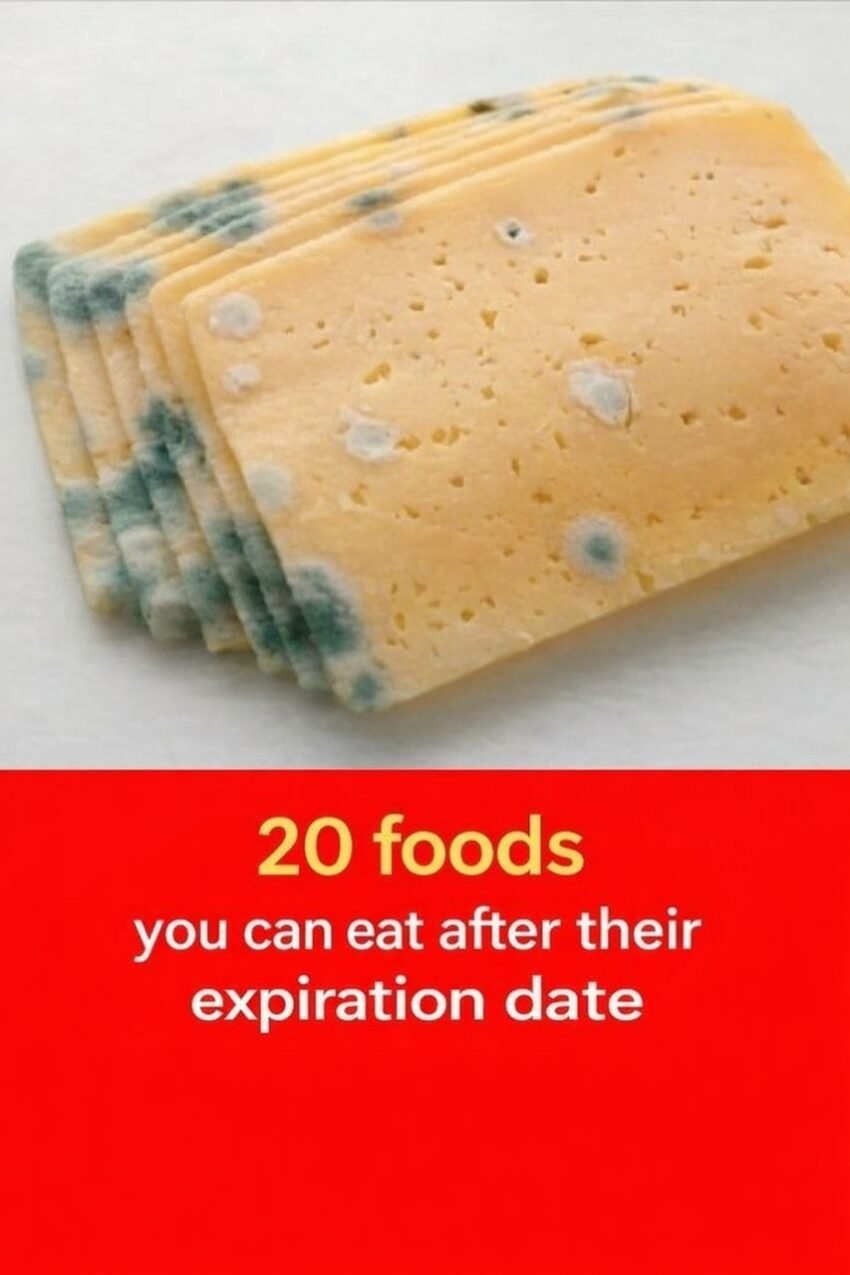
20 Foods You Can Often Eat After the “Expiration Date” (When Stored Properly)
Introduction
Many people assume the date on food packaging means the food becomes unsafe the next day. That’s not always true. In reality, most dates are “best before” labels, which refer to quality, not strict safety.However, safety depends on storage conditions, packaging, and signs of spoilage. If anything smells off, looks strange, or has mold, it should be discarded.
Important Note About Food Dates
There are different labels:
- “Best before” → Quality (taste, texture)
- “Use by” → Safety (should be followed more strictly)
- “Expiration date” → Often a legal or manufacturer guideline
20 Foods You Can Often Eat After Their Date (If Stored Correctly)
1. Eggs
- Can last 1–3 weeks past date if refrigerated
- Check for bad smell or float test
2. Milk (pasteurized)
- Often safe a few days after date if unopened
- Always check smell and texture
3. Yogurt
- Can last 1–3 weeks past date
- Slight separation is normal
4. Hard cheese
- Cheddar, parmesan can last weeks or months
- Cut off any moldy parts
5. Butter
- Lasts weeks past date in fridge
- May be frozen for longer storage
6. Bread
- Can be eaten after date if no mold
- Can be toasted if slightly dry
7. Rice (dry)
- Lasts years if stored dry
- Cooked rice must be refrigerated properly
8. Pasta (dry)
- Safe long after date if sealed and dry
9. Oats
- Often good for months past date
10. Flour
- Can last months if stored in airtight container
11. Canned beans
- Safe for years if can is intact
- Avoid bulging or rusted cans
12. Canned vegetables
- Similar long shelf life as beans
13. Canned tuna or fish
- Long shelf life if unopened and undamaged
14. Peanut butter
- Can last months past date if unopened or well stored
15. Frozen vegetables
- Safe for long periods
- Quality may decrease over time
16. Frozen meat (if continuously frozen)
- Can last months beyond date
- Quality, not safety, declines first
17. Chocolate
- May develop “white bloom” but still safe
18. Honey
- Essentially does not spoil if properly stored
19. Salt
- Does not expire in normal conditions
20. Sugar
- Indefinite shelf life if kept dry
Foods You Should Be More Careful With
Some foods should not be eaten after expiry if the date has passed:
- Fresh meat and poultry
- Fresh seafood
- Ready-to-eat deli meats
- Pre-packaged salads
These have higher risk of bacterial growth.
How to Check If Food Is Still Safe
Before eating anything past its date, check:
- Smell (sour or off odors)
- Texture (slimy or sticky = bad sign)
- Color changes
- Mold growth
- Packaging damage
Important Reality Check
- Expiration dates are often conservative estimates
- Many foods last longer when properly stored
- Safety always depends on actual condition, not just the date
Conclusion
Many everyday foods—like pasta, rice, yogurt, and canned goods—can often be safely eaten after their labeled date if they are stored properly and show no signs of spoilage. Others, especially fresh animal products, should be treated more strictly.
The key rule is simple:
Trust your senses, not just the label—but when in doubt, throw it out.