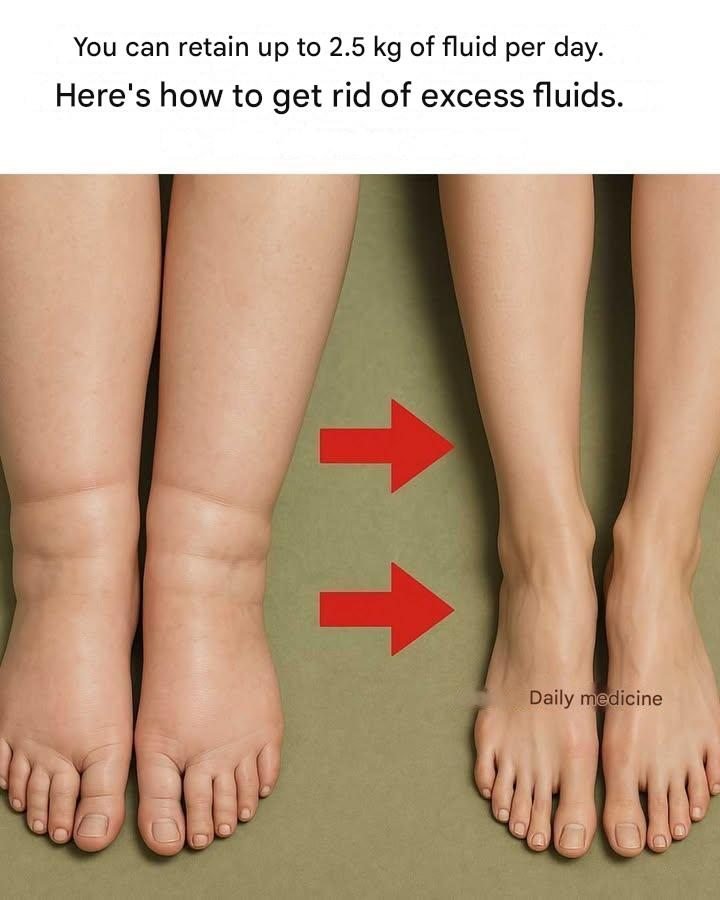
Can You Retain 2.5 kg of Fluid in a Day?
Introduction
Claims like “you can retain up to 2.5 kg of fluid per day” are common in health posts, but they need context. Yes, the body can hold onto a significant amount of water weight under certain conditions—but this is usually temporary and not pure fat gain. It’s often related to diet, hormones, or circulation.
The medical term for noticeable fluid buildup is Edema.
Why Fluid Retention Happens
Your body carefully regulates fluids, but several factors can disrupt that balance:
- High salt intake: Causes the body to hold onto water
- Hormonal changes: Common during menstrual cycles or stress
- Long periods of sitting or standing: Affects circulation
- Medications: Some drugs can cause fluid buildup
- Hot weather: Can lead to swelling in hands and feet
In some cases, fluid retention may be linked to underlying conditions involving the heart, kidneys, or liver.
Can It Really Be 2.5 kg?
Short answer: sometimes, but not typically every day.
- Rapid weight changes of 1–2.5 kg can happen due to water shifts, especially after salty meals or long travel
- However, consistently retaining that much fluid daily is uncommon and may signal a medical issue
Common Signs of Fluid Retention
- Swelling in the ankles, feet, or hands
- Tight or shiny skin
- Indentations left after pressing the skin (pitting)
- Sudden weight fluctuations
How to Reduce Excess Fluid Safely
1. Reduce Salt Intake
Too much sodium is one of the biggest causes.
- Avoid heavily processed foods
- Cook with less added salt
2. Stay Properly Hydrated
It may sound counterintuitive, but drinking enough water helps:
- Prevents the body from “holding on” to fluid
- Supports kidney function
3. Move Your Body Regularly
Physical activity improves circulation:
- Walking
- Stretching
- Light exercise
Even short movement breaks can help if you sit a lot.
4. Elevate Your Legs
If swelling occurs in the lower body:
- Raise your legs above heart level when resting
- Helps fluid return to circulation
5. Eat Potassium-Rich Foods
Potassium helps balance sodium levels.
Examples include:
- Bananas
- Spinach
- Avocados
6. Review Medications
Some medications can contribute to fluid retention. These may include:
- Certain blood pressure drugs
- Hormonal treatments
- Anti-inflammatory medications
Consult a healthcare professional before making any changes.
When to Seek Medical Advice
You should take fluid retention seriously if:
- Swelling appears suddenly or worsens quickly
- It affects only one leg (possible clot risk)
- You also have shortness of breath
- It persists despite lifestyle changes
These could indicate more serious conditions.
Important Reality Check
- Rapid weight gain is often water, not fat
- Occasional fluid retention is normal
- Chronic or severe swelling should not be ignored
Conclusion
While it’s possible to retain a noticeable amount of water weight, claims like “2.5 kg per day” are often exaggerated. The key takeaway:
- Fluid retention is usually temporary and manageable
- Lifestyle factors like salt, movement, and hydration play a major role
- Persistent swelling may require medical evaluation
If you want, I can help you identify whether your symptoms are typical or worth checking out.