Introduction
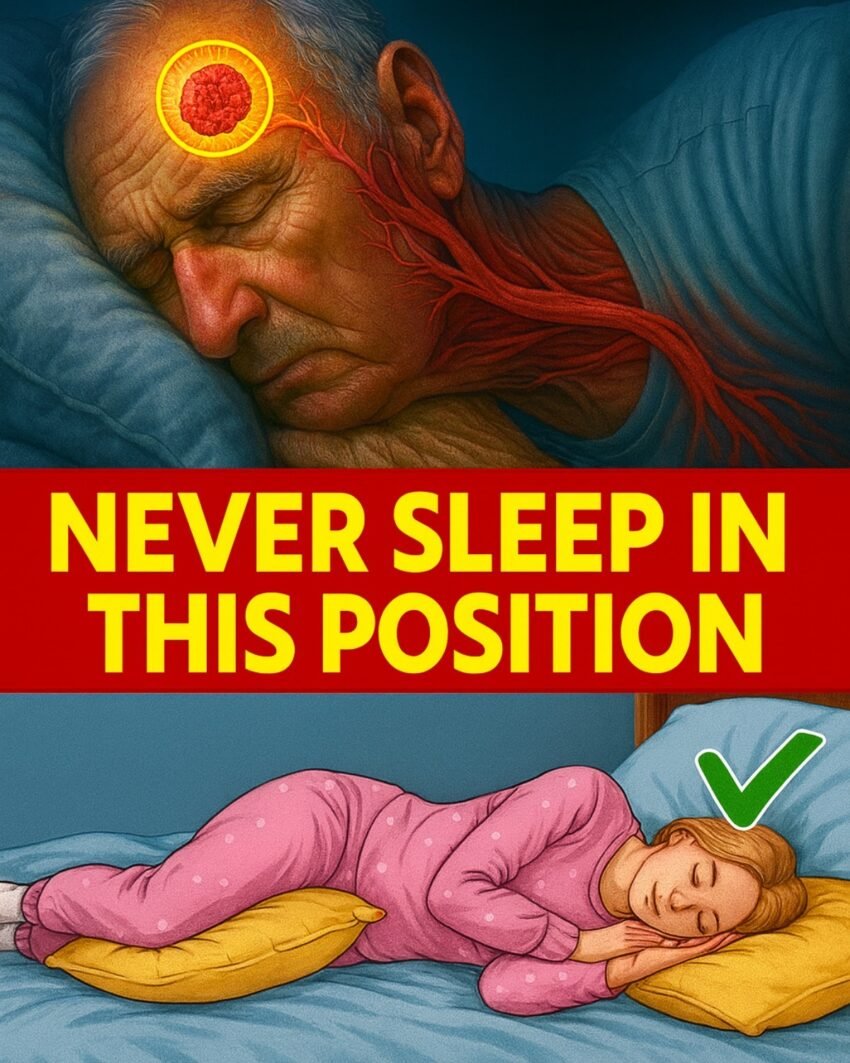
You may have seen alarming claims that a certain sleeping position can “cause a stroke overnight.” That framing is misleading. There isn’t a single position that directly triggers a stroke on its own. However, research does show that how you sleep can influence conditions that increase stroke risk, especially in older adults.
This article explains what science actually says—without exaggeration.
The Key Position: Sleeping on Your Back (Supine Position)
The position most often linked to increased risk factors is sleeping on your back, also called the supine position.
Why it can be a concern:
- It can worsen obstructive sleep apnea (OSA)
- It may reduce airflow and oxygen levels during sleep
- It can increase stress on the cardiovascular system
According to the American Heart Association, sleep apnea is significantly worse when people sleep on their back, and sleep apnea itself is a known risk factor for stroke.
The Real Issue: Sleep Apnea and Stroke Risk
Sleeping position matters mainly because of its effect on breathing.
- Sleep apnea causes repeated pauses in breathing
- This leads to low oxygen levels and disrupted sleep
- It increases risks like:
- High blood pressure
- Irregular heartbeat
- Stroke
Experts note that many people have “positional sleep apnea,” meaning symptoms appear mostly when lying on the back.
Why Seniors Are More Vulnerable
Older adults are more affected because:
- Muscle tone in the airway decreases with age
- Sleep becomes lighter and more fragmented
- Chronic conditions (like hypertension) are more common
These factors make back-sleeping more likely to worsen breathing problems, indirectly increasing stroke risk.
What About Other Sleeping Positions?
Side sleeping (lateral position)
- Often recommended for people with sleep apnea
- Helps keep airways open
- May improve oxygen flow
Stomach sleeping
- Less studied, but can strain the neck and spine
- Not typically recommended for seniors
Important Clarification
It’s critical to understand:
- Sleeping on your back does not directly cause a stroke
- The risk comes from underlying conditions, especially sleep apnea
- Many people sleep on their backs without issues
So the real question is not just how you sleep, but how well you breathe while sleeping.
Other Sleep Factors That Matter More
Research shows that stroke risk is also strongly linked to:
- Poor sleep quality
- Irregular sleep schedules (linked to higher cardiovascular risk)
- Too much or too little sleep duration
These often have a bigger impact than position alone.
Practical Tips for Seniors
If you’re concerned about stroke risk:
- Try sleeping on your side instead of your back
- Use pillows to keep your position stable
- Watch for signs of sleep apnea:
- Loud snoring
- Gasping during sleep
- Daytime fatigue
- Consult a doctor if symptoms are present
Conclusion
The claim that “this sleeping position causes stroke” is an oversimplification.
A more accurate takeaway is:
- Back sleeping can worsen sleep apnea
- Sleep apnea increases stroke risk
- Side sleeping is often safer for those affected
Focusing on overall sleep quality, breathing, and consistency is far more important than obsessing over a single position.