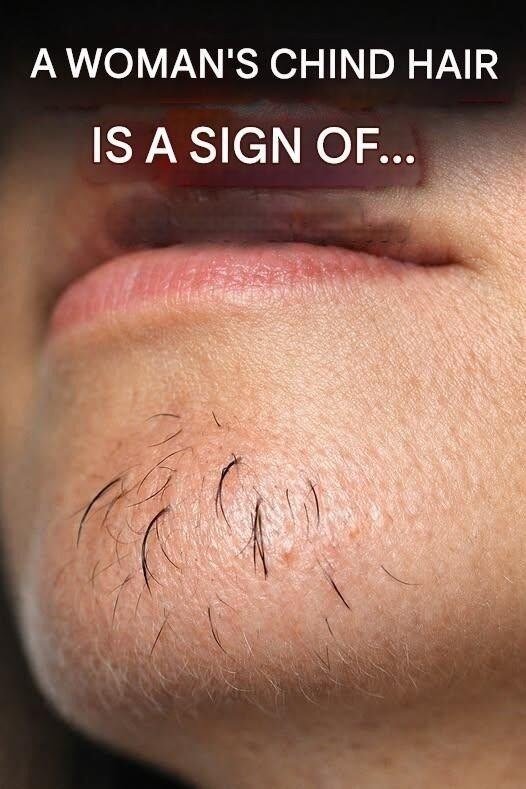
Chin Hair in Women: Causes, Meaning, and Management
Introduction
Chin hair in women is a common concern that can cause confusion or anxiety. While society often associates facial hair with men, many women also experience hair growth on the chin, upper lip, or jawline. In most cases, this is a natural variation, but sometimes it may indicate an underlying hormonal issue.
What Does Chin Hair Indicate?
Chin hair growth in women is usually linked to androgens, which are hormones typically higher in males but also present in females in smaller amounts. When these hormone levels increase or the body becomes more sensitive to them, it can lead to thicker or darker facial hair.
Common Causes of Chin Hair
1. Hormonal Imbalance
A shift in hormone levels can stimulate hair follicles on the face. This may occur due to puberty, pregnancy, or menopause.
2. Polycystic Ovary Syndrome (PCOS)
One of the most common medical causes is Polycystic Ovary Syndrome.
Women with PCOS often experience:
- Irregular menstrual cycles
- Acne
- Weight gain
- Excess facial or body hair (a condition called hirsutism)
3. Genetics
Family history plays a major role. Women from certain ethnic backgrounds may naturally have more visible facial hair.
4. Aging and Menopause
As estrogen levels drop with age, androgen effects may become more noticeable, leading to increased facial hair.
5. Medications and Medical Conditions
Certain drugs or rare conditions affecting hormone-producing glands can also contribute to unwanted hair growth.
When Should You Be Concerned?
Chin hair is usually harmless. However, you should consider medical advice if you notice:
- Sudden or rapid increase in hair growth
- Irregular periods
- Deepening of the voice
- Severe acne
These could indicate a more serious hormonal imbalance.
Management and Treatment Options
1. Temporary Hair Removal Methods
- Tweezing
- Waxing
- Threading
- Shaving
These methods are safe but require regular maintenance.
2. Long-Term Solutions
- Laser hair removal
- Electrolysis (permanent hair removal method)
3. Medical Treatment
Doctors may prescribe:
- Hormonal therapy
- Birth control pills
- Anti-androgen medications
These treatments target the root cause rather than just removing hair.
Lifestyle and Home Care
Maintaining overall health can help regulate hormones:
- Balanced diet
- Regular exercise
- Stress management
- Proper sleep
While these may not eliminate chin hair completely, they can support hormonal balance.
Conclusion
Chin hair in women is usually a normal variation but can sometimes signal a hormonal imbalance. Conditions like Polycystic Ovary Syndrome are a common underlying cause. Understanding the reason behind the hair growth helps in choosing the right management approach, whether cosmetic or medical.
If symptoms are persistent or worsening, consulting a healthcare professional is the best course of action.