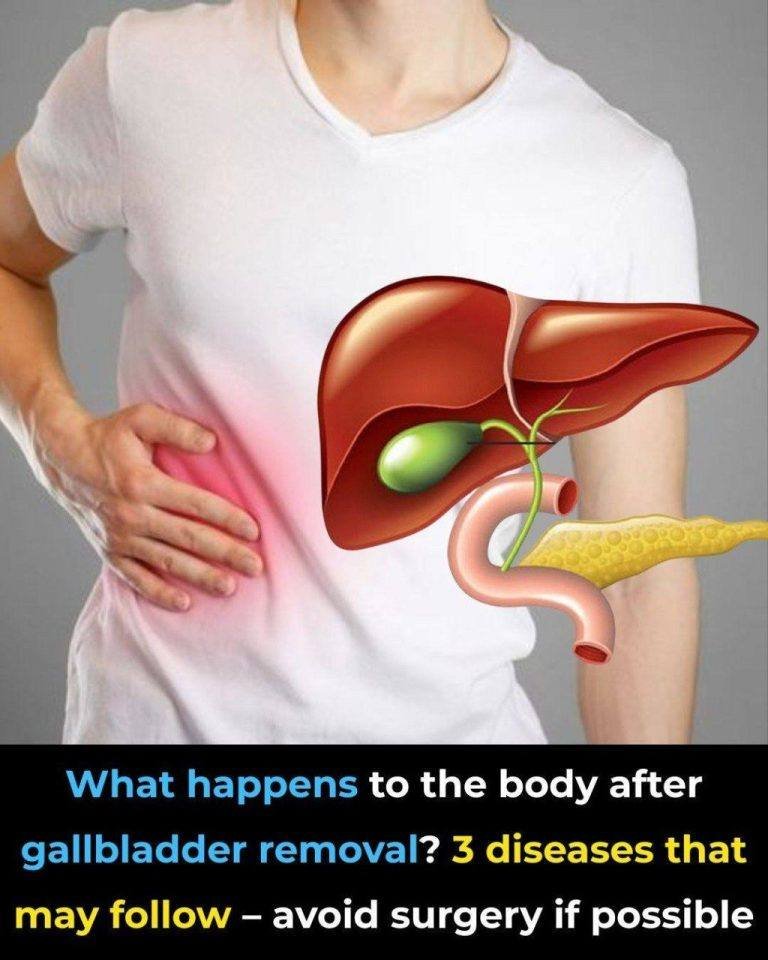
Here’s what happens to the body after gallbladder removal and the potential long-term effects:
What Happens to the Body After Gallbladder Removal?
- Bile Flow Changes:
- The gallbladder’s main function is to store bile produced by the liver. Bile is necessary for digesting fats. After the gallbladder is removed, the liver continues to produce bile, but it no longer has a place to store it.
- Without the gallbladder, bile continuously drips into the small intestine, which can lead to less efficient digestion of fats. This can cause digestive discomfort for some people, particularly after eating fatty meals.
- Digestive Adjustments:
- The absence of the gallbladder means your digestive system must adapt to continuous bile flow. Some people experience diarrhea, bloating, indigestion, or gas after meals, especially those high in fat.
- Over time, many people’s digestive systems adjust, but some may still experience symptoms long after the surgery.
- Potential for Nutrient Absorption Issues:
- Bile helps break down fats and absorb fat-soluble vitamins (A, D, E, and K). Without a gallbladder, some individuals may find it more challenging to absorb these vitamins efficiently.
- This can lead to deficiencies in essential vitamins and minerals over time, though it’s usually manageable with dietary adjustments and supplements.
3 Diseases or Conditions That May Follow Gallbladder Removal:
While many people recover fully and lead normal lives after gallbladder removal, some may experience long-term complications. Here are three conditions that may develop following cholecystectomy:
1. Bile Duct Injury or Strictures
What It Is:
In rare cases, the surgery can cause damage to the bile ducts. The bile ducts are responsible for carrying bile from the liver to the small intestine. Injury or scarring can lead to bile leakage or bile duct strictures (narrowing of the bile ducts), which can cause pain, jaundice, and infection.
Symptoms to Watch For:
- Yellowing of the skin or eyes (jaundice)
- Abdominal pain
- Fever and chills
- Dark urine or light-colored stools
Avoidance/Management:
- Most cases of bile duct injury are rare but can occur if the surgery is complicated.
- If bile duct issues arise, they may require further surgery or treatment, such as stent placement or even liver transplant in severe cases. Early diagnosis is key to preventing long-term damage.
2. Postcholecystectomy Syndrome (PCS)
What It Is:
Some individuals develop a condition known as Postcholecystectomy Syndrome, which can cause symptoms similar to those seen before gallbladder removal. These symptoms can include abdominal pain, bloating, diarrhea, indigestion, and nausea. While these symptoms may be related to changes in bile flow and fat digestion, they may persist even after the body has had time to adjust.
Symptoms to Watch For:
- Abdominal pain (often after meals)
- Bloating or gas
- Chronic diarrhea or changes in stool consistency
- Fatty food intolerance
Avoidance/Management:
- To minimize the risk of PCS, it’s recommended to follow a low-fat diet after surgery and avoid large meals that may overwhelm the digestive system.
- In some cases, medications like bile acid binders or antacids may be prescribed to help alleviate symptoms.
- For persistent cases, doctors may recommend further testing or imaging to ensure there are no underlying issues, such as bile duct stones or strictures.
3. Sphincter of Oddi Dysfunction (SOD)
What It Is:
The Sphincter of Oddi is a muscle that controls the flow of bile and pancreatic enzymes into the small intestine. After gallbladder removal, some people may experience Sphincter of Oddi Dysfunction (SOD). This occurs when the muscle does not function properly, leading to pain, bloating, nausea, and in some cases, pancreatitis (inflammation of the pancreas).
Symptoms to Watch For:
- Abdominal pain (especially in the upper right quadrant)
- Nausea and vomiting
- Digestive problems (similar to those experienced before surgery)
- Jaundice (in severe cases)
Avoidance/Management:
- SOD is a complex condition and may require further testing to diagnose. Doctors may use manometry (measuring pressure in the bile duct) or endoscopic procedures to check the function of the Sphincter of Oddi.
- Treatment may include bile acid therapy, muscle relaxants, or in some cases, a procedure called endoscopic sphincterotomy to relieve pressure.
Can You Avoid Gallbladder Removal?
For many people, gallbladder problems (such as gallstones or gallbladder inflammation) lead to the decision to remove the organ. However, if you’re concerned about gallbladder removal or its potential consequences, here are some things you can do to avoid surgery or delay it:
- Dietary Changes:
- A low-fat diet can help reduce the risk of gallstones and manage mild gallbladder issues. Foods that are high in fiber (like fruits, vegetables, and whole grains) can also help promote healthy bile flow.
- Limit refined sugars and processed foods, as they can increase the risk of gallstone formation.
- Weight Management:
- Maintaining a healthy weight can reduce the risk of gallstones. Rapid weight loss or obesity increases the likelihood of developing gallbladder issues.
- Medication:
- In some cases, medications like ursodeoxycholic acid can help dissolve small gallstones, though this is only effective in certain situations. It may help avoid surgery, but it’s not always a permanent solution.
- Regular Medical Checkups:
- If you have symptoms of gallbladder disease (like pain after eating fatty foods, nausea, or bloating), regular checkups and imaging (such as ultrasounds) can catch problems early and allow for conservative management before surgery becomes necessary.
Conclusion:
While gallbladder removal can provide immediate relief from gallstones or inflammation, it’s important to be aware of the potential long-term effects and complications, such as digestive issues, bile duct injury, and sphincter dysfunction. After the procedure, many people adjust well, but some may experience chronic symptoms that require ongoing management.
To avoid surgery or manage gallbladder issues effectively, adopting a healthy diet, maintaining a healthy weight, and seeking medical guidance early can go a long way in reducing risks and maintaining good digestive health. If surgery is unavoidable, your doctor will discuss the best options for recovery and symptom management.