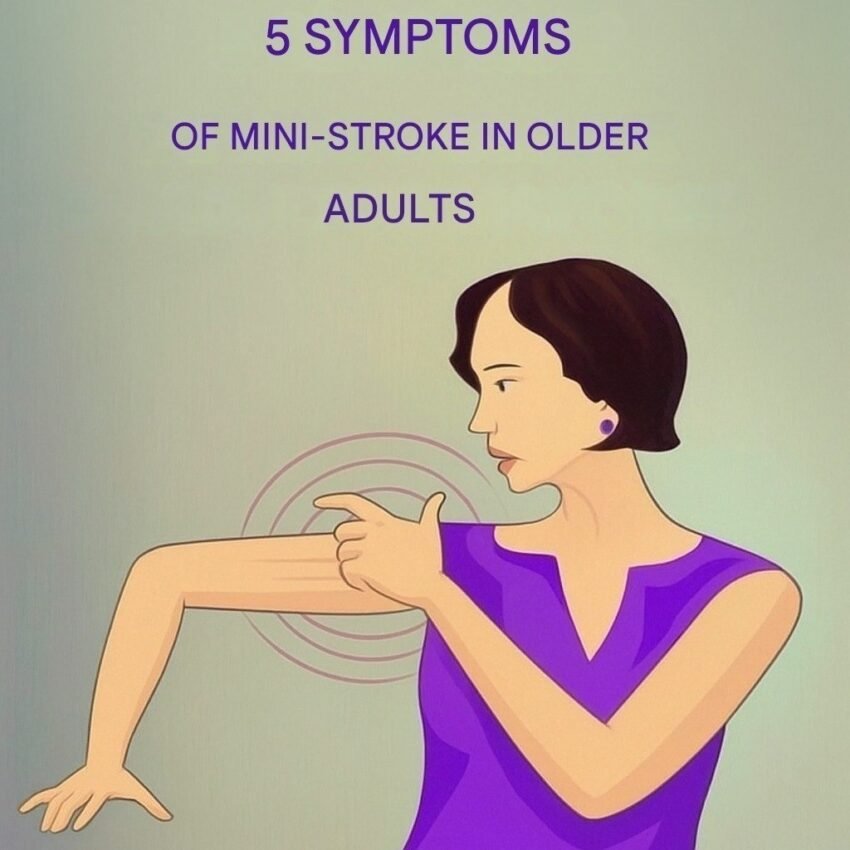
5 Symptoms of a Mini Stroke in Seniors That Shouldn’t Be Ignored
A “mini stroke” is the common name for a transient ischemic attack (TIA). It happens when blood flow to part of the brain is briefly blocked, causing stroke-like symptoms that often resolve within minutes or hours. Even though symptoms may disappear, it is a serious warning sign of a future stroke.
A TIA is closely related to Transient ischemic attack and requires urgent medical attention.
1. Sudden weakness or numbness on one side
One of the most important warning signs is sudden weakness, tingling, or numbness in the face, arm, or leg—usually on one side of the body.
2. Trouble speaking or understanding speech
Speech may become slurred, confused, or difficult to understand. Some people may struggle to find the right words or understand others.
3. Sudden vision problems
This can include blurred vision, double vision, or temporary loss of vision in one or both eyes.
4. Loss of balance or coordination
A person may feel dizzy, unsteady, or have difficulty walking straight. This can appear suddenly without warning.
5. Severe, sudden headache (less common)
A sudden, unusual headache with no clear cause can sometimes occur, especially if blood flow to the brain is affected.
Why it should never be ignored
Even if symptoms disappear within minutes, a TIA is often a warning sign of a future full stroke, especially in older adults or those with risk factors like high blood pressure or diabetes.
Emergency rule (FAST check)
- Face drooping
- Arm weakness
- Speech difficulty
- Time to call emergency services
Who is at higher risk?
- Older adults
- People with high blood pressure
- Diabetes patients
- Smokers
- Those with heart or vascular disease
Bottom line
A mini stroke (Transient ischemic attack) is not “minor” in importance—it is a serious warning event. Recognizing symptoms early can prevent a major stroke and save lives.
If you want, I can also explain how to reduce stroke risk in seniors with simple daily habits.