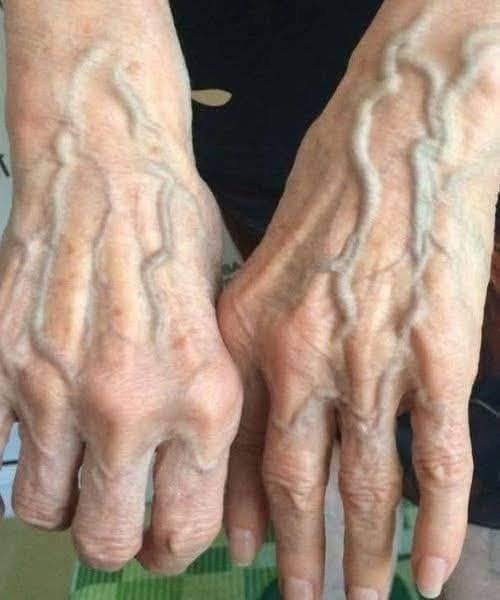
Visible Veins: What They Really Mean and When to Be Concerned
Visible veins are often misunderstood and frequently misrepresented in viral posts and quick health claims. The idea that prominent veins point to a specific hidden condition or personality trait is inaccurate. In reality, vein visibility is influenced by several normal biological factors, and in most cases, it is not a cause for concern.
What Causes Visible Veins?
Low Body Fat
One of the most common reasons for visible veins is a low level of subcutaneous fat. Fat sits between the skin and blood vessels. When this layer is thin, veins are closer to the surface and easier to see. This is often observed in naturally lean individuals and those with a fit physique.
Muscle Development
Increased muscle mass can push veins closer to the skin. Regular physical activity also improves blood circulation and can enlarge veins slightly over time, making them more noticeable, particularly in the arms and legs.
Aging and Skin Changes
As people age, the skin becomes thinner and loses collagen and elasticity. These changes make underlying structures, including veins, more visible. This is a normal part of the aging process.
Genetics and Skin Tone
Genetics play a significant role in how visible your veins are. People with lighter or more translucent skin tend to have more noticeable veins. Family traits can also determine vein size and distribution.
Temperature and Activity
Heat causes blood vessels to expand (dilate), which can make veins stand out more. Similarly, during or after exercise, increased blood flow can temporarily make veins more prominent.
When Visible Veins May Indicate a Problem
While visible veins are usually harmless, certain patterns or accompanying symptoms may point to underlying conditions.
Varicose Veins
Varicose veins are enlarged, twisted veins that often appear raised and bulging. They are most common in the legs and may be associated with discomfort, aching, or heaviness.
Chronic Venous Insufficiency
Chronic venous insufficiency occurs when veins have difficulty sending blood back to the heart. This can lead to swelling, skin discoloration, and a feeling of pressure in the legs.
Warning Signs to Watch For
You should consider medical evaluation if visible veins are accompanied by:
- Pain, throbbing, or burning sensations
- Swelling in the legs or ankles
- Skin color changes around the veins
- Sudden appearance of new, prominent veins
- Ulcers or sores near the ankles
These symptoms may indicate circulatory problems that require attention.
Common Myths About Visible Veins
Many online claims suggest that visible veins mean you are dehydrated, unhealthy, or have a serious disease. In most cases, these claims are exaggerated or false. Hydration can slightly influence vein appearance, but it is not a primary cause of chronically visible veins.
How to Support Healthy Circulation
Even though visible veins are usually normal, maintaining good vascular health is important:
- Stay physically active to promote blood flow
- Avoid sitting or standing for long periods without movement
- Maintain a balanced diet
- Stay adequately hydrated
- Elevate your legs occasionally if you experience mild swelling
Conclusion
Visible veins are most often a normal result of body composition, genetics, and lifestyle factors. They do not typically signal a health problem on their own. However, if they appear suddenly or are accompanied by pain, swelling, or skin changes, it is important to seek medical advice to rule out conditions such as Varicose veins or Chronic venous insufficiency.
Understanding the difference between normal variation and warning signs can help you respond appropriately without unnecessary worry.