What Does the Color of Your Urine Say About Your Health?
Introduction
Urine color can give useful clues about hydration and sometimes general health. It is mainly influenced by how much water you drink, but also by diet, vitamins, medications, and certain medical conditions.
Normal urine color
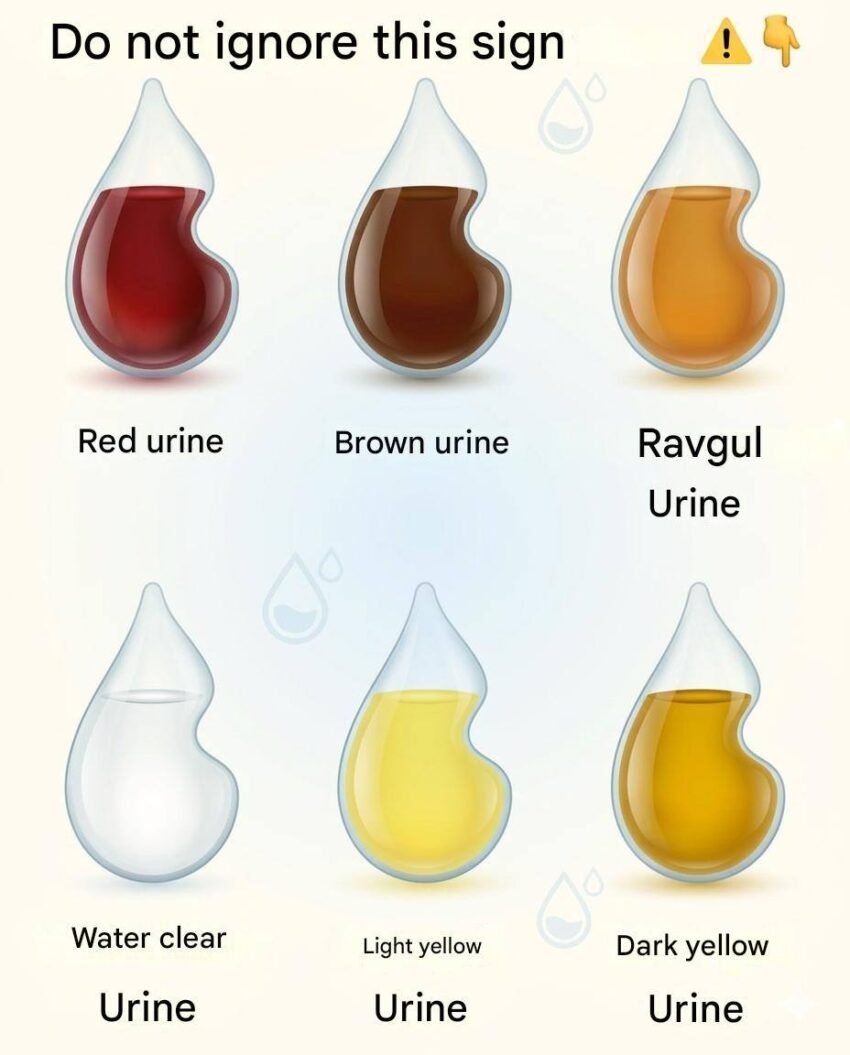
Light yellow (pale straw color)
This is usually considered the ideal and healthy range.
It generally means:
- you are well hydrated
- your kidneys are functioning normally
- waste is being properly diluted
What different urine colors may indicate
1. Transparent / very light urine
Possible meaning:
- you are drinking too much water
- mild overhydration in some cases
Usually not dangerous, but consistently clear urine may mean you are diluting electrolytes too much.
2. Dark yellow or amber
Possible meaning:
- mild dehydration (most common cause)
- not drinking enough fluids
- sweating a lot (heat or exercise)
This is a common early warning sign that you need more water.
3. Honey or dark brown
Possible causes:
- significant dehydration
- liver-related issues (in some cases)
- certain medications or foods
If hydration is not the cause, medical evaluation may be needed.
4. Orange urine
Possible causes:
- dehydration
- certain medicines (some antibiotics, laxatives)
- high intake of vitamin B supplements
- rarely, liver or bile duct issues
5. Pink or red urine
Possible causes:
- eating beetroot or certain foods
- blood in urine (hematuria)
- urinary tract infection
- kidney stones
If food is not the cause, it should be checked by a doctor.
6. Blue or green urine (rare)
Possible causes:
- certain medications or dyes
- rare bacterial infections
- artificial food coloring
Usually uncommon and often harmless if medication-related.
7. Cloudy or milky urine
Possible causes:
- urinary tract infection
- dehydration
- excess minerals or salts
If it persists or comes with pain, it should be evaluated.
Important factors that affect urine color
Urine color is not only about health. It can also change due to:
- water intake
- vitamins (especially B-complex)
- foods (beets, asparagus, carrots)
- medications
When to seek medical advice
You should consult a healthcare professional if you notice:
- blood in urine not linked to food
- persistent dark brown urine
- pain or burning while urinating
- fever or back pain
- unusual color lasting more than a few days
Conclusion
Urine color is a simple but useful indicator of hydration and sometimes health changes. Light yellow is generally ideal, while darker or unusual colors may signal dehydration, diet effects, or medical conditions that need attention.
If you want, I can also give you a simple “hydration checklist” or explain how much water you should drink based on your body and climate.