Early or Subtle Signs
These may appear gradually and are often missed:
- Persistent fatigue or low energy
- Poor concentration or “brain fog”
- Reduced appetite
- Mild nausea
- Changes in sleep quality
These are non-specific and can occur in many conditions, not just kidney disease.
Fluid-Related Changes
Because the kidneys regulate fluid balance, problems may lead to:
- Swelling in ankles, feet, or around the eyes
- Puffy face in the morning
- Sudden weight changes from fluid retention
These signs are more concerning when persistent.
Urination Changes
More directly related to kidney function:
- Urinating more or less than usual
- Foamy or bubbly urine (possible protein loss)
- Dark, cloudy, or bloody urine
- Waking frequently at night to urinate
These are among the more important warning signs.
Skin and Body Symptoms
When waste builds up in the blood, you might notice:
- Itchy skin
- Muscle cramps
- Dry or irritated skin
- Metallic taste in the mouth
- Bad breath that doesn’t improve with hygiene
These can appear in more advanced cases of Chronic Kidney Disease.
Advanced Warning Signs (Medical Urgency)
Seek medical attention promptly if you notice:
- Severe shortness of breath
- Chest pain or pressure
- Confusion or difficulty staying alert
- Very little or no urine output
These may indicate serious kidney failure or complications.
What Viral Lists Get Wrong
Online posts often:
- Turn normal symptoms (like fatigue or headaches) into kidney “warnings”
- Claim random sensations are specific to kidney disease
- Ignore that most early kidney disease is silent
This leads to unnecessary fear without improving health awareness.
What Actually Matters Most
Doctors focus more on risk factors than symptom lists:
- High blood pressure
- Diabetes
- Long-term NSAID use (painkillers)
- Family history of kidney disease
- Smoking
Managing these reduces risk far more than watching for vague symptoms.
Bottom Line
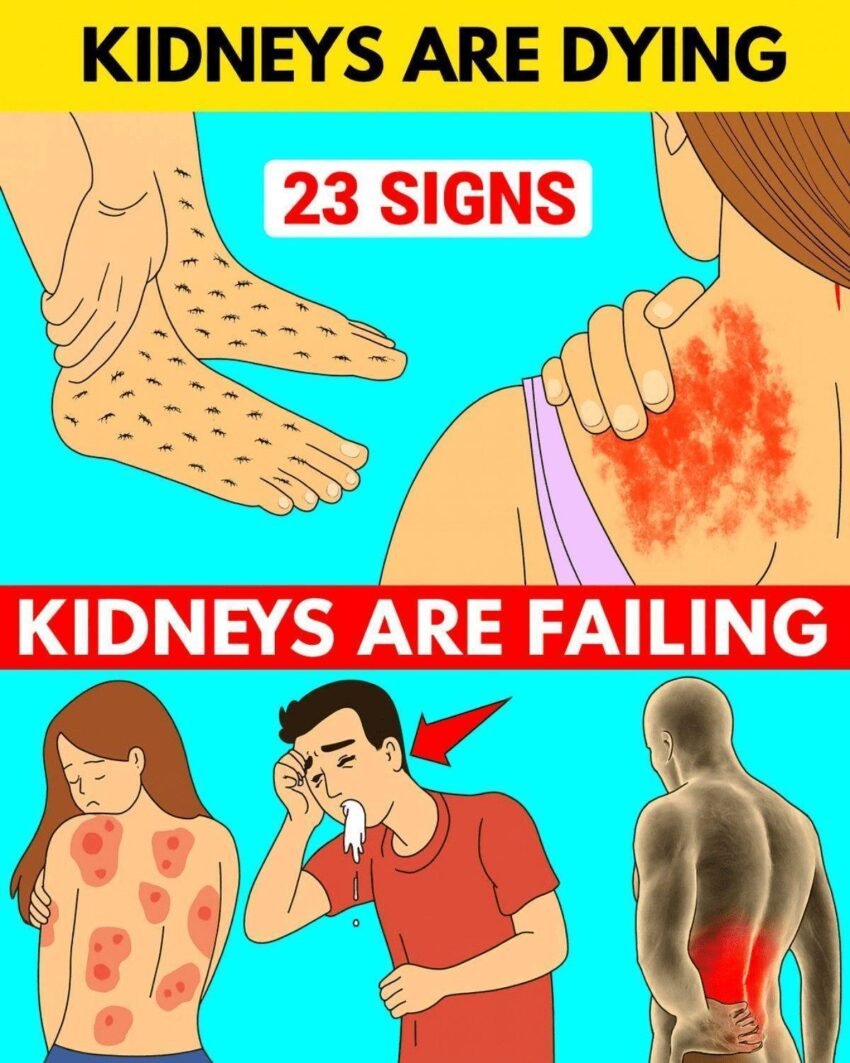
There aren’t really “23 strange signs” that reliably point to kidney trouble. Kidney disease is often silent early on, and symptoms—when they appear—are usually general rather than unusual.
If kidney problems are a concern, the most effective step is simple: blood tests (creatinine, eGFR) and urine tests, not viral symptom lists.
If you want, I can also explain early warning signs specific to kidney stones or kidney infection—they’re more distinct than chronic kidney disease.