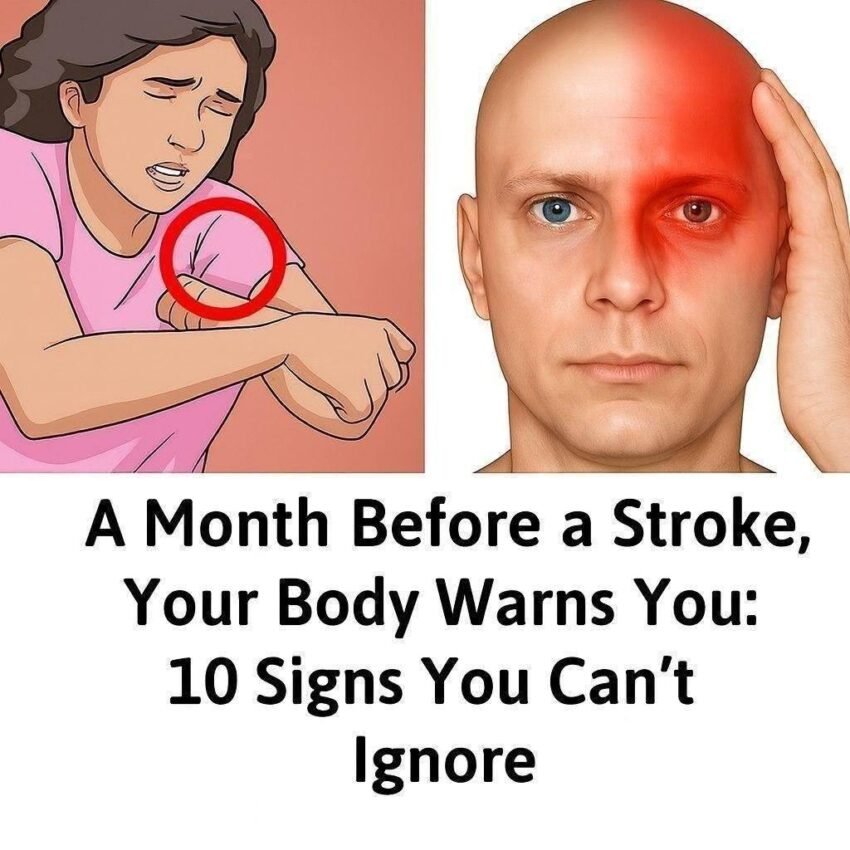
That said, there are real early warning signs and risk signals you shouldn’t ignore.
What a Stroke Actually Is
A Stroke happens when blood flow to part of the brain is blocked or a vessel ruptures. Brain cells begin to die within minutes, which is why rapid treatment is critical.
The Most Important Warning: Sudden Symptoms
The clearest signs of an impending or ongoing stroke often appear suddenly, not a month earlier. Watch for:
- Sudden weakness or numbness (especially on one side of the body)
- Difficulty speaking or understanding speech
- Sudden vision problems in one or both eyes
- Loss of balance, dizziness, or coordination
- Severe, unexplained headache
These are captured in the FAST rule:
- Face drooping
- Arm weakness
- Speech difficulty
- Time to seek emergency care
The Real “Early Warning” Some People Get
Some people experience a Transient Ischemic Attack (TIA), often called a “mini-stroke.”
- Symptoms are similar to a stroke but temporary (minutes to hours)
- It can happen days or weeks before a major stroke
- It is a medical emergency, not something to ignore
This is the closest thing to a genuine early warning sign.
Risk Factors That Build Over Time
Instead of “10 signs,” doctors focus more on risk factors that increase stroke likelihood:
- High blood pressure (the biggest risk)
- Diabetes
- Smoking
- High cholesterol
- Obesity and inactivity
- Heart conditions (like atrial fibrillation)
These don’t cause symptoms directly but raise your chances significantly.
Why Viral Lists Are Misleading
Posts claiming “10 signs a month before a stroke” often include vague symptoms like:
- Fatigue
- Headaches
- Neck pain
- General weakness
These are common and non-specific—they can be caused by many harmless conditions. Presenting them as guaranteed stroke warnings creates unnecessary fear and confusion.
What You Should Actually Do
- Treat any sudden neurological symptom as an emergency
- Don’t wait to see if symptoms pass
- Manage risk factors (blood pressure, diet, exercise)
- Seek medical advice if you suspect a TIA
Bottom Line
There isn’t a reliable list of “10 warning signs a month before a stroke.”
However, sudden symptoms and mini-strokes are real red flags that require immediate attention.
If you want, I can walk you through how to reduce your stroke risk based on your lifestyle.