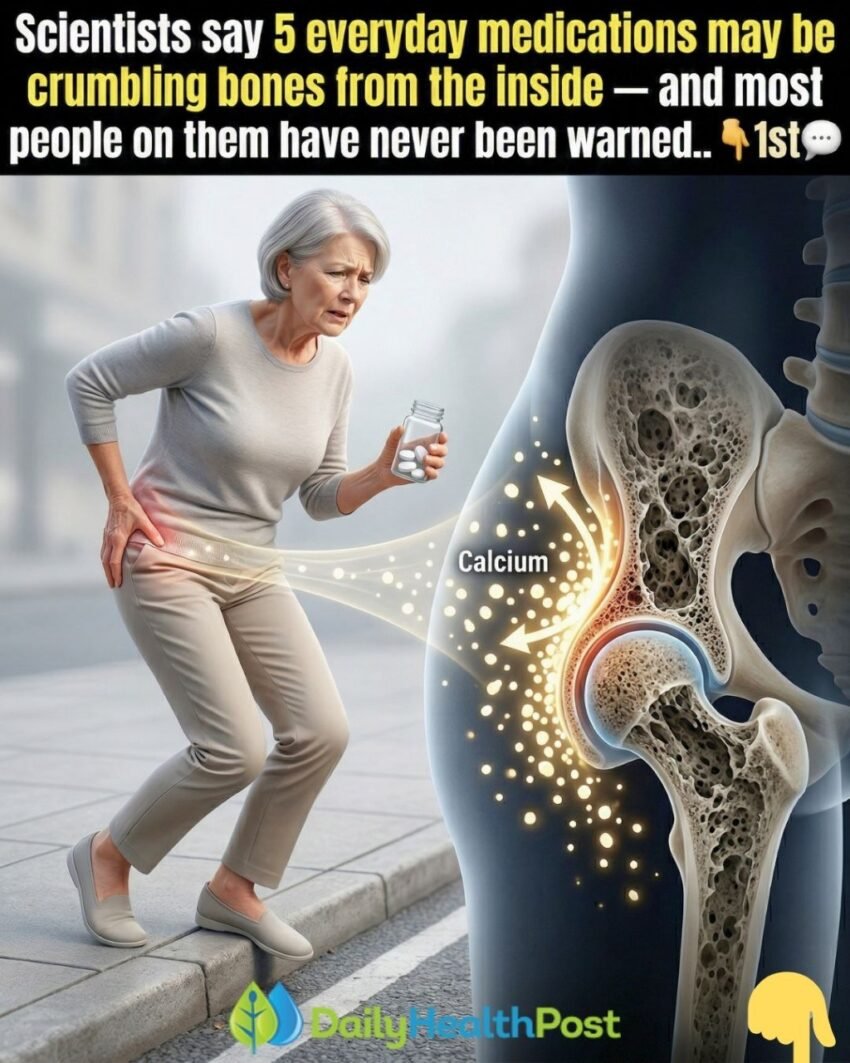
“5 everyday medications are crumbling bones from the inside” — what’s actually true?
This headline is dramatic and misleading, but it’s loosely based on a real medical concern: some commonly used medications can increase the risk of bone loss or fractures when used long-term or in high doses.However, they do not literally “crumble bones from the inside,” and the risk depends heavily on the person, dose, and duration.
First, what condition are we talking about?
The medical condition involved is Osteoporosis, where bones become weaker and more prone to fractures over time.
Many medications affect bone health indirectly by influencing calcium absorption, hormones, or inflammation.
5 medication groups most commonly linked to bone loss risk
1. Corticosteroids (steroid medications)
Examples: prednisone, dexamethasone
- One of the strongest known medication-related risks
- Can reduce bone formation and increase bone breakdown
- Long-term use is strongly linked to osteoporosis
2. Proton Pump Inhibitors (PPIs)
Examples: omeprazole, esomeprazole
- Reduce stomach acid
- Long-term use may reduce calcium absorption
- Associated with a modest increase in fracture risk, especially in older adults
3. Antidepressants (SSRIs)
Examples: sertraline, fluoxetine
- May affect bone metabolism and calcium regulation
- Studies show a possible association with lower bone density over time
4. Anti-seizure medications
Examples: phenytoin, phenobarbital
- Can interfere with vitamin D metabolism
- Vitamin D is important for calcium absorption and bone strength
5. Diabetes medications (some older types)
Examples: thiazolidinediones like pioglitazone
- Can shift bone balance toward breakdown
- Linked to increased fracture risk in some studies
Important context people miss
These medications are often necessary
Most are prescribed for serious conditions like:
- Acid reflux disease
- Epilepsy
- Depression
- Diabetes
- Autoimmune diseases
Stopping them without medical advice can be dangerous.
Risk does NOT mean inevitability
Even with long-term use:
- Many people never develop bone problems
- Risk varies by age, nutrition, lifestyle, and genetics
Doctors are aware of these risks
In most cases, clinicians:
- Monitor bone density when needed
- Prescribe calcium and vitamin D if appropriate
- Adjust doses or switch medications when possible
What actually protects your bones
Regardless of medication use, bone health depends heavily on:
- Adequate calcium and Vitamin D
- Weight-bearing exercise (walking, resistance training)
- Avoiding smoking and excess alcohol
- Regular screening in high-risk individuals
Bottom line
Some medications can slightly increase the risk of bone loss or fractures, especially with long-term use. But the idea that they are silently “crumbling bones” is an exaggeration.
The real picture is:
Medication-related bone risk is usually small to moderate, predictable, and manageable when monitored properly.
If you want, I can break down which of these medications are highest risk depending on age (30s vs 60s vs 70+), which is where the differences actually matter most.