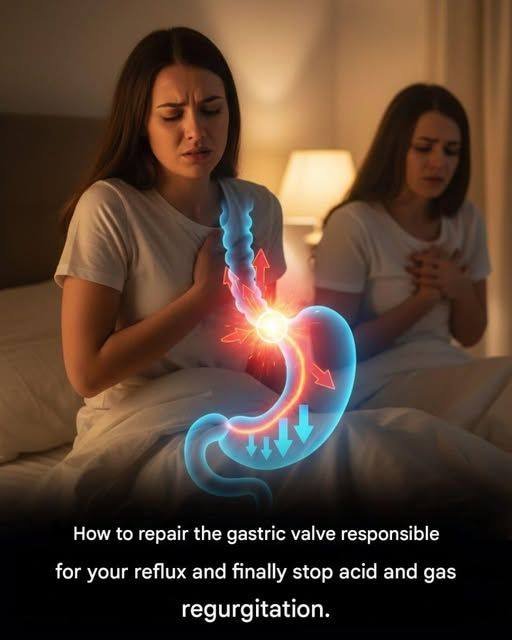
The “stomach sphincter” people usually mean is the lower esophageal sphincter (LES)—a ring of muscle between the esophagus and stomach. When it’s weak or relaxes too often, it can contribute to acid reflux (GERD) and regurgitation.
Important reality check first: you generally can’t “repair” or permanently tighten the LES with lifestyle alone, but you can often improve its function significantly and reduce symptoms a lot. In some cases, medication or procedures are needed.
Here’s a practical, evidence-based approach:
1. Reduce pressure on the LES (this is the biggest factor)
When stomach pressure is high, reflux is more likely.
Avoid:
- Large meals (especially at night)
- Tight belts or waistbands
- Lying down within 2–3 hours after eating
Why it matters: high stomach pressure physically forces contents upward.
2. Identify and avoid common trigger foods
These don’t “damage” the LES, but they make it relax more easily.
Common triggers:
- Fatty/fried foods
- Chocolate
- Peppermint
- Coffee/caffeine
- Alcohol
- Spicy foods
- Tomato-based or acidic foods (for some people)
Not everyone reacts to all of these—tracking symptoms helps more than blanket restriction.
3. Adjust meal timing (very effective)
- Stop eating at least 3 hours before bed
- Avoid late-night snacking
- Try smaller, more frequent meals instead of large ones
4. Elevate your upper body during sleep
Gravity helps keep acid down.
Options:
- Raise the head of the bed 10–20 cm
- Or use a wedge pillow (regular pillows usually don’t work well)
5. Support healthy weight (if applicable)
Even modest abdominal weight increases pressure on the stomach and weakens LES function mechanically.
6. Strengthen diaphragm function (often overlooked)
The diaphragm helps reinforce the LES.
Helpful:
- Diaphragmatic breathing exercises
- Gentle core strengthening
- Posture improvement (slouching increases reflux risk)
7. Avoid smoking and excess alcohol
- Smoking weakens LES tone
- Alcohol increases relaxation of the sphincter
8. Manage constipation and bloating
Gas and abdominal pressure can push acid upward.
Helpful:
- Adequate fiber (gradually increased)
- Hydration
- Regular movement
- Identifying food intolerances (e.g., lactose, FODMAP sensitivity)
9. Medications (when needed)
Doctors may prescribe:
- Proton pump inhibitors (PPIs)
- H2 blockers
These reduce acid, but don’t fix the LES directly—they protect the esophagus while other measures take effect.
10. Medical procedures (for severe or persistent cases)
If lifestyle + medication fail, options include:
- Fundoplication surgery (tightens the valve mechanically)
- LINX device (magnetic ring support for LES)
These are considered when GERD is significant or complications develop.
When to get checked
Seek medical evaluation if you have:
- Frequent reflux (≥2 times/week)
- Trouble swallowing
- Weight loss
- Chest pain
- Blood or black stools
Bottom line
You can’t easily “rebuild” the LES like a muscle, but you can often restore good control by:
- lowering abdominal pressure
- reducing trigger exposure
- improving posture, timing, and sleep position
- and using medication or procedures if needed
If you want, I can map out a 7-day reflux reset plan or help you figure out whether your symptoms sound like GERD, gas-related pressure, or something else (they’re often mixed together).