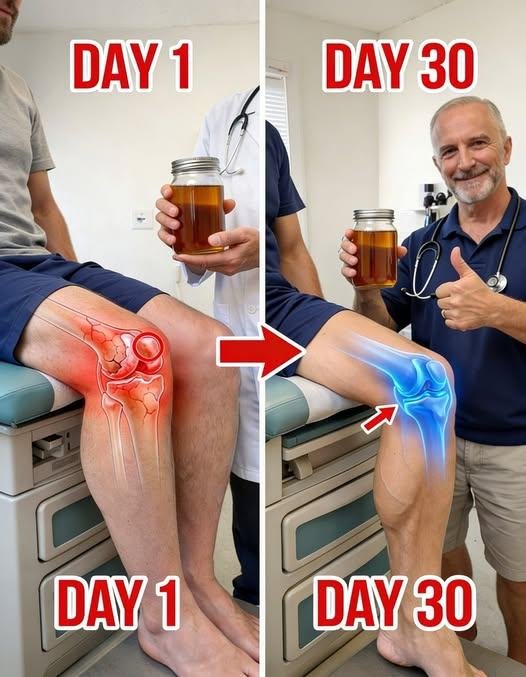
That idea is a common oversimplification. Knee cartilage damage (from aging, injury, or osteoarthritis) is difficult for the body to fully regenerate, and no food can rebuild it on its own.
What food can realistically do
Certain nutrients support joint health and may help slow cartilage breakdown, reduce inflammation, and support connective tissue, but they don’t “regrow” cartilage overnight:
- Protein (chicken, fish, eggs, legumes) → provides building blocks for tissue repair
- Omega-3 fats (salmon, sardines, flaxseed, walnuts) → may reduce joint inflammation
- Vitamin C (citrus, peppers, guava) → needed for collagen formation
- Collagen/gelatin sources (bone broth, collagen peptides) → may support joint comfort in some studies, but evidence for rebuilding cartilage is limited
- Antioxidant-rich foods (berries, leafy greens, turmeric) → help reduce oxidative stress in joints
What actually helps cartilage and knee pain more than food alone
- Regular low-impact exercise (walking, cycling, swimming)
- Strengthening thigh muscles (very important for knee load reduction)
- Maintaining a healthy body weight
- Physical therapy when needed
Key reality
Cartilage has very limited blood supply, so it heals slowly and incompletely. Diet supports the environment for joint health, but it cannot act like a “repair switch.”
If you want, tell me your age and knee issue (pain, stiffness, injury, arthritis), and I can suggest a more targeted, evidence-based plan that actually helps protect or improve knee function.