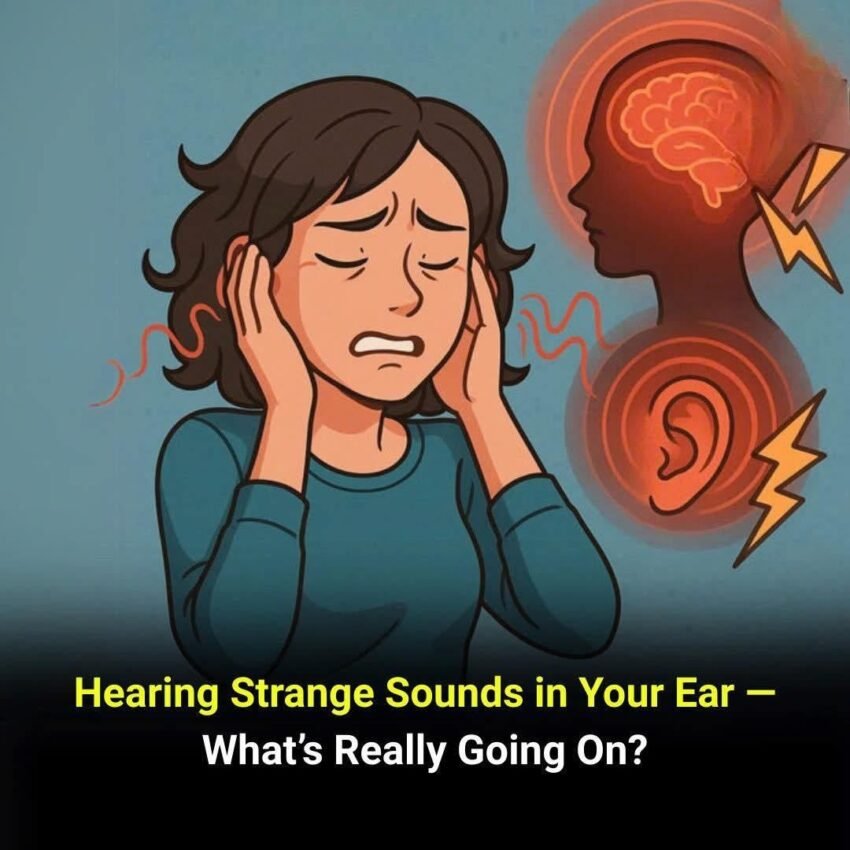
Hearing Unusual Sounds in Your Ear? You’re Not Alone
Hearing sounds like ringing, buzzing, clicking, or whooshing when there is no external noise is quite common. Many people experience it at some point, and it can come and go or stay for longer periods.
In most cases, it is not dangerous, but it can be uncomfortable or worrying.
What Is This Condition Called?
This sensation is most commonly known as tinnitus.
It is the perception of sound without any external source.
Common Types of Sounds People Hear
1. Ringing
A high-pitched tone, often the most reported symptom.
2. Buzzing
A low humming or electrical-like sound.
3. Clicking
Short, repeated sounds, sometimes linked to jaw or muscle movement.
4. Whooshing
A sound that may match your heartbeat or blood flow.
Possible Causes
1. Loud Noise Exposure
- Loud music
- Headphones at high volume
- Machinery or explosions
2. Earwax Buildup
Too much earwax can block sound and create pressure in the ear.
3. Age-Related Hearing Changes
As we age, hearing nerves can weaken, leading to ringing sounds.
4. Ear Infections or Fluid
Infections or fluid in the ear can affect normal hearing.
5. Stress and Fatigue
Stress can make the brain more sensitive to internal sounds.
6. Blood Pressure or Circulation Changes
Pulsing or whooshing sounds may sometimes be linked to blood flow.
When to Be Concerned
You should see a doctor if:
- The sound is constant or worsening
- You experience hearing loss
- You feel dizziness or imbalance
- It affects only one ear
- There is pain or discharge
Simple Ways to Reduce Symptoms
- Avoid loud noise exposure
- Lower headphone volume
- Manage stress and sleep well
- Limit caffeine and alcohol
- Use white noise to mask ringing at night
Can It Be Treated?
There is no single cure for tinnitus, but many people manage it by:
- Treating underlying causes (earwax, infection, etc.)
- Using sound therapy
- Improving lifestyle habits
- Hearing aids if hearing loss is present
Final Truth
Hearing unusual sounds in your ear is common and often harmless. However, if it becomes persistent or severe, it’s important to get it checked to rule out underlying ear or health conditions.