Do Your Hands Go Numb? What It Can Mean
Numb hands usually happen when nerves or blood flow are temporarily affected. In most cases, it’s not dangerous—but sometimes it can signal an underlying issue.
Common Causes of Hand Numbness
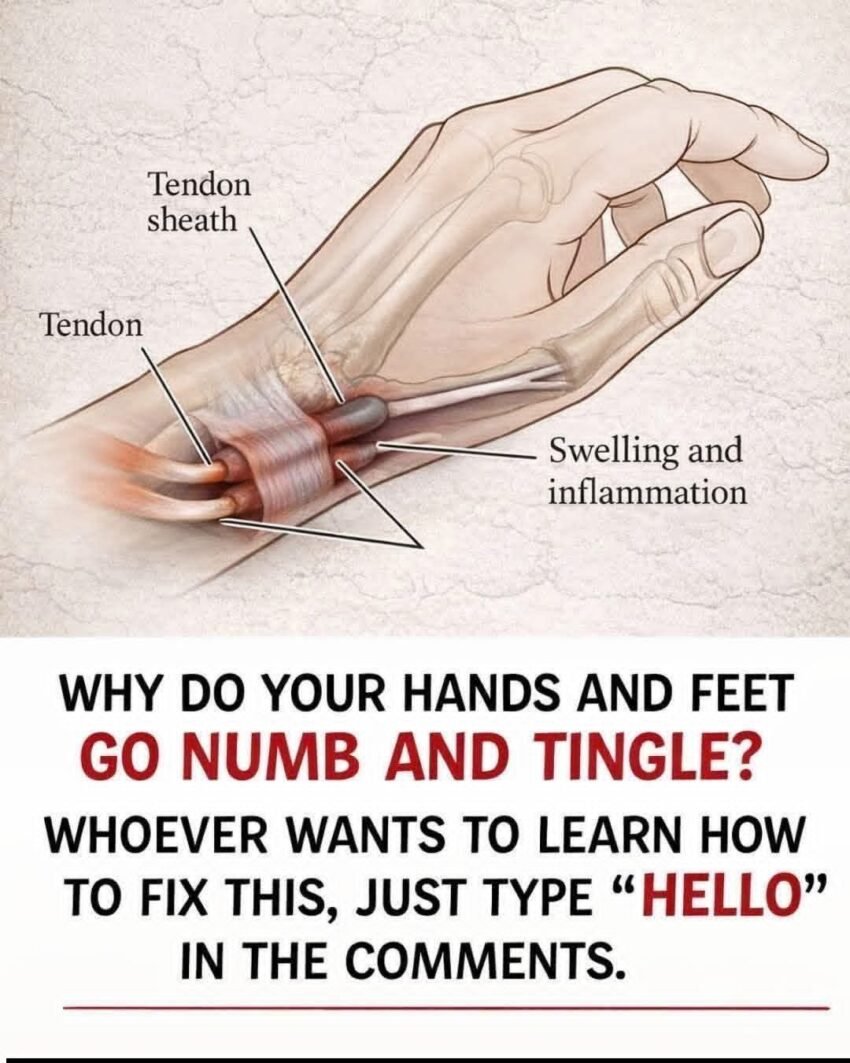
1. Nerve Compression (Most Common)
When a nerve gets pressed, it can cause tingling or numbness.
A common example is:
- Carpal tunnel syndrome (pressure on the median nerve in the wrist)
This often happens from:
- Typing too long
- Using phones excessively
- Repetitive hand movements
2. Poor Blood Circulation
Reduced blood flow can make hands feel:
- Cold
- Tingling
- Numb
This may happen if you sleep in an awkward position or keep your arm bent.
3. Vitamin Deficiency
Low levels of certain vitamins can affect nerves, especially:
- Vitamin B12
- Vitamin B6
Deficiency can cause tingling or “pins and needles” sensations.
4. Diabetes
High blood sugar can damage nerves over time, leading to:
- Numbness in hands or feet
- Burning or tingling sensations
This condition is called diabetic neuropathy.
5. Neck or Spine Issues
Problems in the neck (like a pinched nerve) can send numbness down the arm into the hand.
When It Could Be Serious
Seek medical advice if numbness:
- Happens often or lasts a long time
- Comes with weakness or pain
- Affects one side of the body suddenly
- Is linked with dizziness or speech problems
Simple Things That May Help
- Take breaks from typing or phone use
- Stretch your hands and wrists
- Improve posture
- Stay hydrated
- Ensure enough Vitamin B12 in diet (meat, eggs, dairy, fortified foods)
Final Truth
Hand numbness is often caused by simple nerve pressure or posture issues, but in some cases it can signal vitamin deficiencies, circulation problems, or other medical conditions. If it keeps happening, it’s worth getting checked rather than ignoring it.