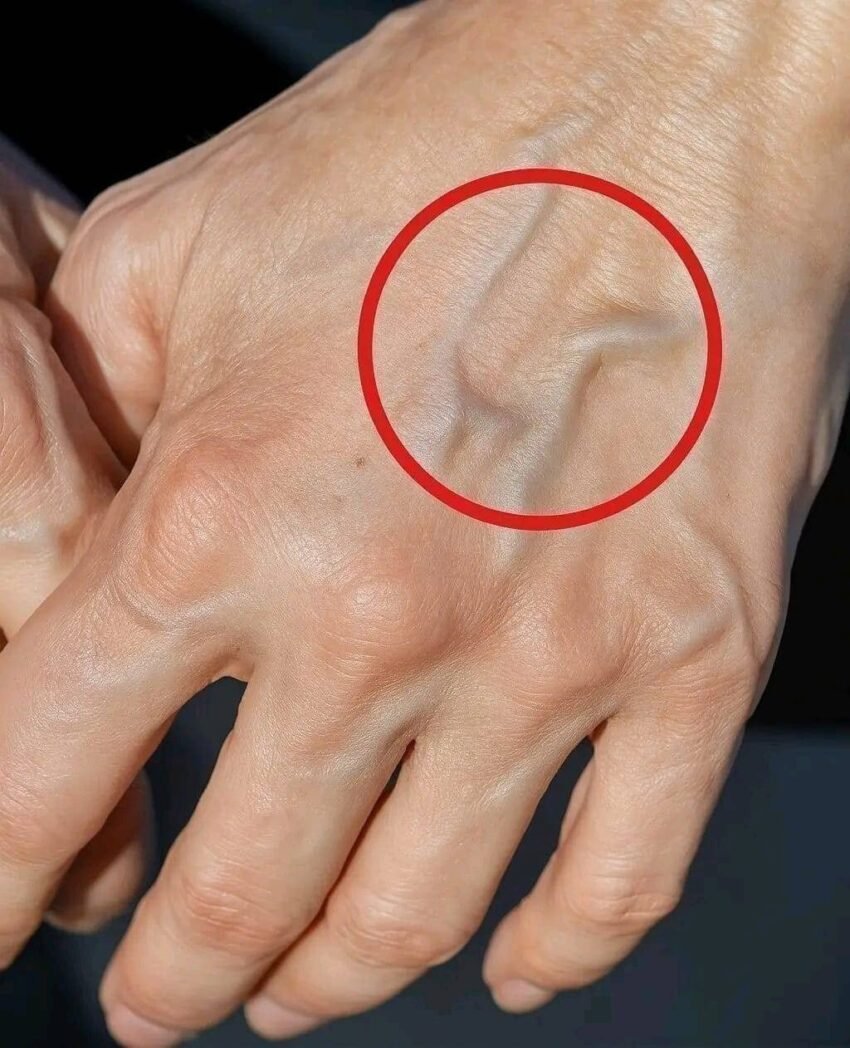
What Visible Veins Usually Mean
1. Low Body Fat
One of the most common reasons is having less fat under the skin. When fat is lower, veins sit closer to the surface and become more noticeable.
2. Good Muscle Development
People who exercise regularly often have more visible veins. Increased muscle size pushes veins closer to the skin, and better circulation makes them stand out.
3. Genetics
Some people naturally have thinner skin or more prominent veins. This is simply inherited and not a sign of a health problem.
4. Warm Weather or Physical Activity
Heat and exercise cause blood vessels to expand, making veins more visible temporarily.
When Visible Veins Could Be a Concern
In some cases, prominent veins may be related to medical issues, such as:
Varicose Veins
These are enlarged, twisted veins that may appear bulging and dark. They can cause discomfort, swelling, or aching.
Circulation Issues
If veins appear suddenly along with pain, swelling, or skin changes, it may indicate a circulation problem.
Signs You Should Not Ignore
Consider medical advice if you notice:
- Pain or heaviness in the legs
- Swelling in ankles or feet
- Skin discoloration around veins
- Burning or throbbing sensations
The Real Truth
Having visible veins usually means your body composition, activity level, or genetics are making them more noticeable—not that something is wrong.
In fact, for many people, especially those who are active, it can be a sign of good circulation and fitness, not a health issue.
If you’re unsure whether your veins are normal or not, it’s always a good idea to get them checked, especially if there are any uncomfortable symptoms.