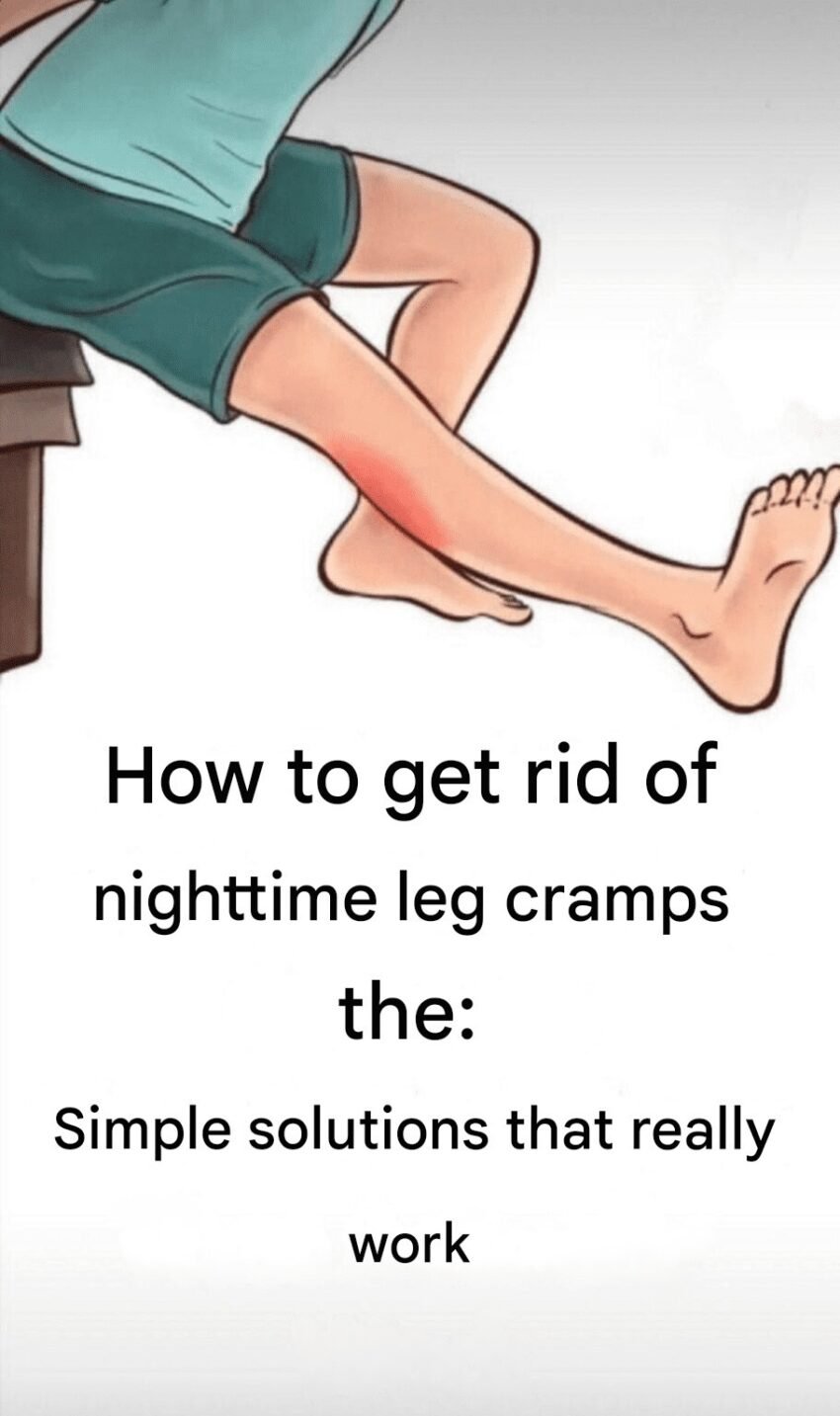
What actually helps (and why)
1. Stretch before bed
Tight muscles are a major trigger. Gentle stretching—especially calves and hamstrings—helps relax them.
- Try a simple calf stretch (like a wall stretch or downward dog from Yoga).
- Hold each stretch for ~20–30 seconds without bouncing.
2. Stay well hydrated
Dehydration can mess with muscle function.
- Drink water throughout the day, not just at night.
- If you sweat a lot or live in hot weather, consider fluids with electrolytes.
3. Check your minerals
Low levels of certain nutrients can contribute:
- Magnesium (nuts, seeds, leafy greens)
- Potassium (bananas, potatoes)
- Calcium (dairy, fortified foods)
If cramps are frequent, it may be worth discussing supplements with a doctor.
4. Improve your sleep position
Pointing your toes downward (like when sleeping on your stomach) can shorten calf muscles.
- Try sleeping on your back or side with feet relaxed.
- Loosen tight blankets that push your toes down.
5. Light activity during the day
Sitting or standing too long can trigger cramps.
- Regular walking or light exercise keeps circulation healthy.
6. Warm up the muscles
Before bed:
- Take a warm shower or bath
- Use a heating pad on your calves
7. What to do during a cramp
When it strikes:
- Gently stretch the muscle (pull your toes toward your shin)
- Massage the area
- Stand up and put weight on the leg if you can
When to take it more seriously
Occasional cramps are common, but frequent or severe ones could be linked to:
- Poor circulation
- Nerve issues
- Medication side effects
- Conditions like Diabetes or Peripheral Artery Disease
If cramps happen most nights, last a long time, or are worsening, it’s worth getting checked.
If you want, I can help you figure out the most likely cause based on your routine, diet, and any other symptoms.