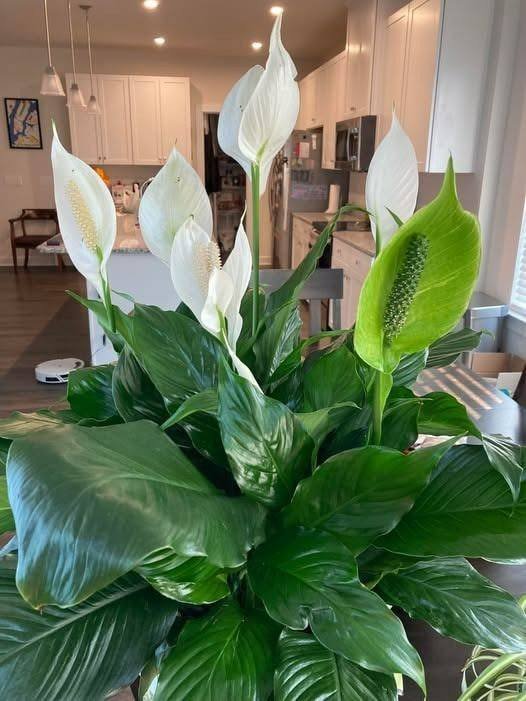
How to Get Your Peace Lily to Flower More: Expert Tips for Lush Blooms
The Peace Lily is one of the most popular indoor plants due to its elegant white blooms and low-maintenance reputation. However, many plant owners notice that while the leaves remain healthy, flowering becomes rare or stops altogether. Encouraging consistent blooms requires understanding the plant’s natural preferences and adjusting care accordingly.
Understanding Peace Lily Blooming Behavior
Peace Lilies do not bloom continuously. Under normal indoor conditions, they typically flower once or twice a year. Plants sold in stores are often treated to produce blooms on demand, which can create unrealistic expectations at home. Once that cycle ends, the plant returns to its natural rhythm.
To promote flowering, you need to recreate conditions that mimic its ideal tropical environment.
Light Requirements for Flowering
Light is the most critical factor in getting a Peace Lily to bloom.
- Place the plant in bright, indirect light
- Avoid deep shade, as it encourages foliage growth but suppresses flowers
- Keep it away from harsh direct sunlight, which can scorch leaves
A position near a north- or east-facing window is often ideal. If the plant has dark green leaves but no flowers, insufficient light is usually the cause.
Proper Watering Practices
Peace Lilies prefer consistently moist soil, but they are sensitive to overwatering.
- Water when the top inch of soil feels dry
- Ensure excess water drains freely from the pot
- Avoid letting the plant sit in standing water
The plant will droop when thirsty, which can help you identify watering needs. However, frequent cycles of severe drying and overwatering can stress the plant and reduce blooming.
Temperature and Environmental Stability
Peace Lilies thrive in stable indoor temperatures.
- Ideal range: 18–27°C
- Protect from cold drafts, air conditioners, and sudden temperature changes
Environmental stress often leads to reduced or delayed flowering.
Fertilization for Balanced Growth
Fertilizing correctly supports both foliage and flower production.
- Use a balanced liquid houseplant fertilizer
- Apply every 4–6 weeks during the growing season
- Reduce or stop feeding in winter
Excess fertilizer can lead to lush green leaves at the expense of flowers, so moderation is important.
Potting and Root Conditions
Peace Lilies prefer slightly crowded roots.
- Repot every 1–2 years or when roots outgrow the container
- Choose a pot only slightly larger than the previous one
A mildly root-bound plant often flowers better than one with too much space.
Pruning and Maintenance
Removing spent blooms encourages new growth.
- Cut off flowers when they turn green or brown
- Trim damaged or yellowing leaves to maintain plant health
Regular maintenance helps the plant direct energy toward new blooms.
Humidity and Air Quality
As tropical plants, Peace Lilies benefit from moderate humidity.
- Place in naturally humid areas or near other plants
- Occasional misting can help in dry environments
Low humidity can lead to brown leaf tips and reduced flowering.
Common Reasons for Lack of Blooms
If your Peace Lily is not flowering, consider these common issues:
- Insufficient light
- Overfertilization
- Inconsistent watering
- Sudden environmental changes
- Recently repotted or stressed plant
Identifying and correcting these factors usually restores blooming over time.
Conclusion
Encouraging a Peace Lily to flower more is less about quick fixes and more about consistent care. Bright indirect light, proper watering, moderate feeding, and a stable environment are the key elements. With patience and the right conditions, your plant will reward you with elegant, long-lasting blooms.