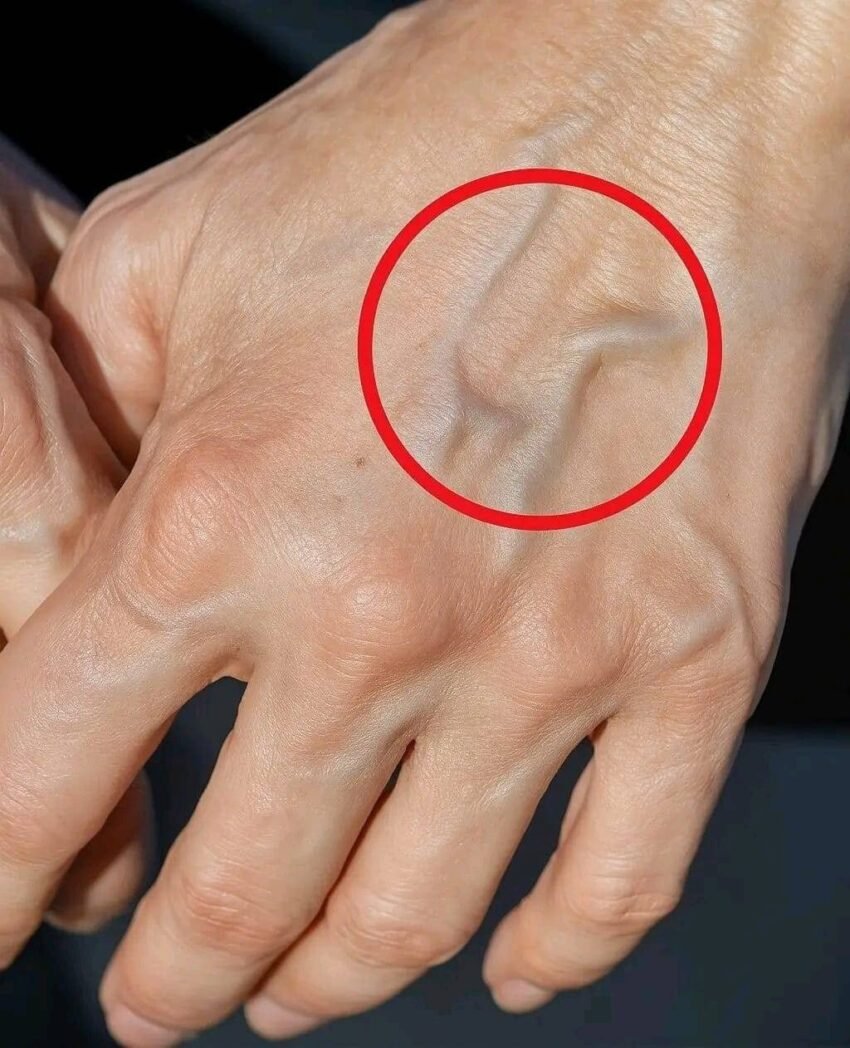
Visible veins: what it actually means
Seeing veins in your hands, arms, or legs is usually completely normal and depends on simple physical factors—not personality, health status, or hidden disease.
Common normal reasons
1. Low body fat
Less fat under the skin = veins look more visible.
2. Genetics
Some people naturally have:
- Thinner skin
- More superficial veins
- More visible vascular patterns
3. Exercise or activity
After movement:
- Blood flow increases
- Veins expand (vasodilation)
- Veins become more noticeable temporarily
4. Heat or warm weather
Heat causes blood vessels to widen, making veins stand out more.
5. Aging
Skin becomes thinner over time, so veins appear more prominent.
When it might matter medically (rare cases)
Visible veins alone are not a diagnosis. But doctors may pay attention if there are other symptoms like:
- Sudden swelling in one arm or leg
- Pain, redness, or warmth over a vein
- Hard or cord-like veins
- Unexplained fatigue, weight loss, or fever
In those situations, the concern is usually circulation or inflammation—not anything vague like “hidden disease.”
Important fact
There is no scientific evidence that visible veins mean:
- You are sick
- You are “toxic”
- You have cancer
- You are unusually fit or unhealthy by default
It is mainly a normal variation in body structure and blood flow.
Bottom line
Visible veins usually mean:
- Normal anatomy
- Low body fat or genetics
- Temporary changes from heat or activity
They are not a warning sign on their own.
If you want, I can explain when vein changes are actually a sign of a medical problem vs completely normal in a simple checklist.