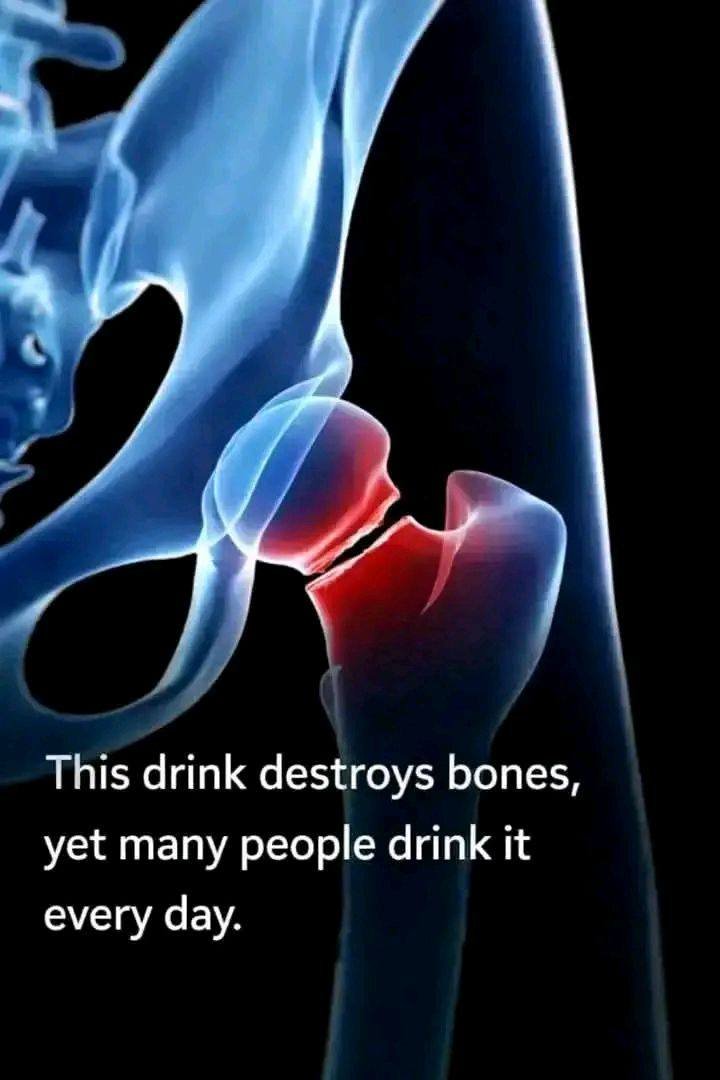
The 5 Drinks That Are Most Harmful to Your Bones (According to Health Experts)
Bone health depends heavily on nutrients like calcium, vitamin D, magnesium, and protein. Over time, certain drinks can interfere with calcium absorption, increase calcium loss through urine, or displace healthier beverages. Doctors and nutrition experts often highlight the following five drinks as the most problematic when consumed regularly.
1. Soda (especially cola drinks)
Soda is one of the most consistently linked beverages to lower bone density.
Why it’s harmful:
- Contains phosphoric acid, which may disrupt calcium balance
- High added sugar, which increases calcium loss in urine
- Often replaces milk or other calcium-rich drinks in the diet
Studies have associated high soda intake with lower bone mineral density and higher fracture risk, especially in women .
2. Alcohol
Regular or heavy alcohol intake is strongly linked to weaker bones.
Why it’s harmful:
- Reduces bone formation
- Increases calcium loss
- Interferes with vitamin D metabolism
- Lowers hormone levels important for bone repair
Even moderate daily drinking has been associated with increased osteoporosis risk .
3. Excess caffeine (coffee and strong tea in high amounts)
Moderate caffeine is usually fine, but high intake may affect bone health.
Why it can be harmful:
- Slight increase in calcium excretion
- May reduce calcium absorption if intake is low
- Can indirectly affect bone health if it replaces milk or fortified drinks
Experts emphasize that moderation matters more than complete avoidance.
4. Sugary drinks and sweetened beverages
This includes energy drinks, sweetened juices, and flavored drinks.
Why they’re harmful:
- High sugar intake increases calcium loss
- Can reduce vitamin D levels over time
- Contributes to inflammation that may affect bone health
Research links sugar-sweetened beverages with lower bone density and higher fracture risk .
5. Diet sodas (especially cola types)
Even without sugar, diet sodas may still be a concern in some studies.
Why they may be harmful:
- Often contain phosphoric acid (in colas)
- May displace healthier drinks like milk
- Long-term data suggests possible association with lower bone density in some groups
However, evidence is weaker than for regular soda, and risk is mainly linked to overall diet patterns.
Important clarification from experts
Health professionals stress:
- These drinks do not “destroy bones” by themselves
- Risk depends on frequency, quantity, and overall diet
- Strong bones are mainly built through:
- Adequate calcium and vitamin D intake
- Weight-bearing exercise
- Healthy lifestyle habits
Bottom line
The biggest risks to bone health come from regular soda (especially cola), heavy alcohol use, high sugar intake, and excessive caffeine, mainly because they either reduce calcium availability or replace nutrient-rich drinks.
No single drink causes bone disease—but long-term habits can significantly influence bone strength over time.