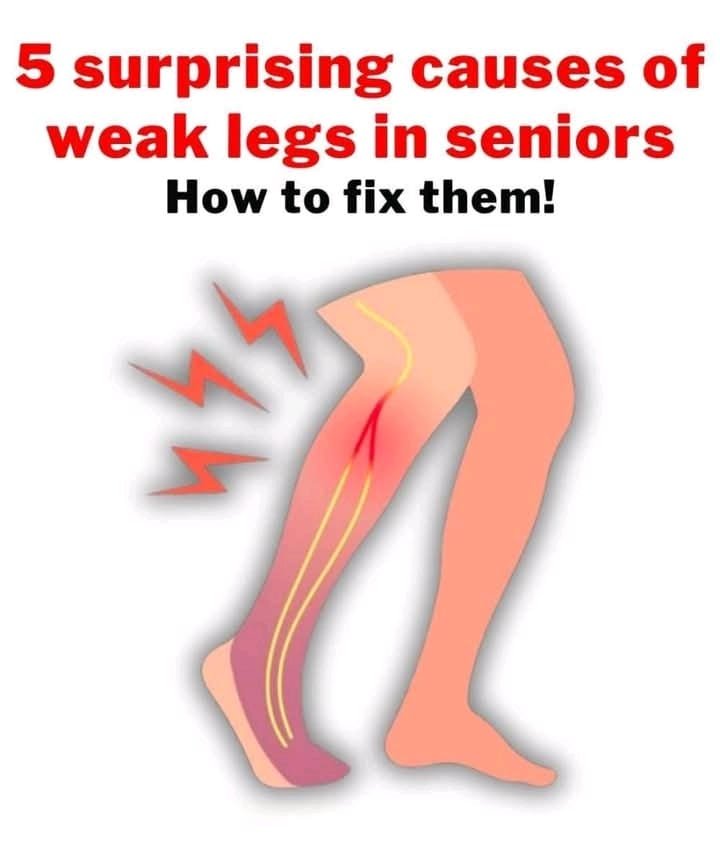
5 Surprising Causes of Weak Legs in Seniors — And How to Fix Them
Introduction
Leg weakness in older adults is often blamed on “just aging,” but that’s not always the full story. In many cases, there are specific—and sometimes surprising—causes that can be addressed with the right approach.
1. Vitamin Deficiencies
Low levels of key nutrients—especially vitamin D and B12—can lead to muscle weakness and poor balance.
Why it matters:
Vitamin D supports muscle function, while B12 is essential for nerve health.
How to fix it:
- Get blood levels checked
- Increase intake through diet or supplements (as advised by a doctor)
- Spend some time in sunlight for natural vitamin D
2. Nerve Damage
Conditions like peripheral neuropathy can interfere with signals between the brain and muscles, leading to weakness, numbness, or instability.
Why it matters:
It increases the risk of falls and injuries.
How to fix it:
- Manage underlying causes (such as diabetes)
- Physical therapy to improve strength and coordination
- Medications if prescribed
3. Sedentary Lifestyle
Long periods of inactivity can cause muscles to shrink and weaken faster than many people realize.
Why it matters:
Muscle loss accelerates with age, especially without regular movement.
How to fix it:
- Incorporate light strength training (like chair exercises or walking)
- Stay consistent rather than overdoing it occasionally
- Focus on leg-focused movements like squats or leg lifts
4. Medication Side Effects
Certain medications—especially those for blood pressure, cholesterol, or anxiety—can contribute to muscle weakness or fatigue.
Why it matters:
Side effects may go unnoticed and be mistaken for aging.
How to fix it:
- Review medications with a healthcare provider
- Adjust dosage or switch medications if necessary
5. Poor Circulation
Reduced blood flow to the legs can lead to fatigue, heaviness, or weakness. Conditions like peripheral artery disease are more common with age.
Why it matters:
Muscles need proper oxygen supply to function effectively.
How to fix it:
- Regular walking to improve circulation
- Healthy diet to support vascular health
- Medical treatment if the condition is diagnosed
When to Take It Seriously
Leg weakness should not be ignored if it:
- Appears suddenly
- Gets progressively worse
- Is accompanied by pain, numbness, or balance issues
Conclusion
Weak legs in seniors are not always an unavoidable part of aging. By identifying the underlying cause—whether it’s nutrition, activity level, or a medical condition—many people can regain strength, improve mobility, and maintain independence.