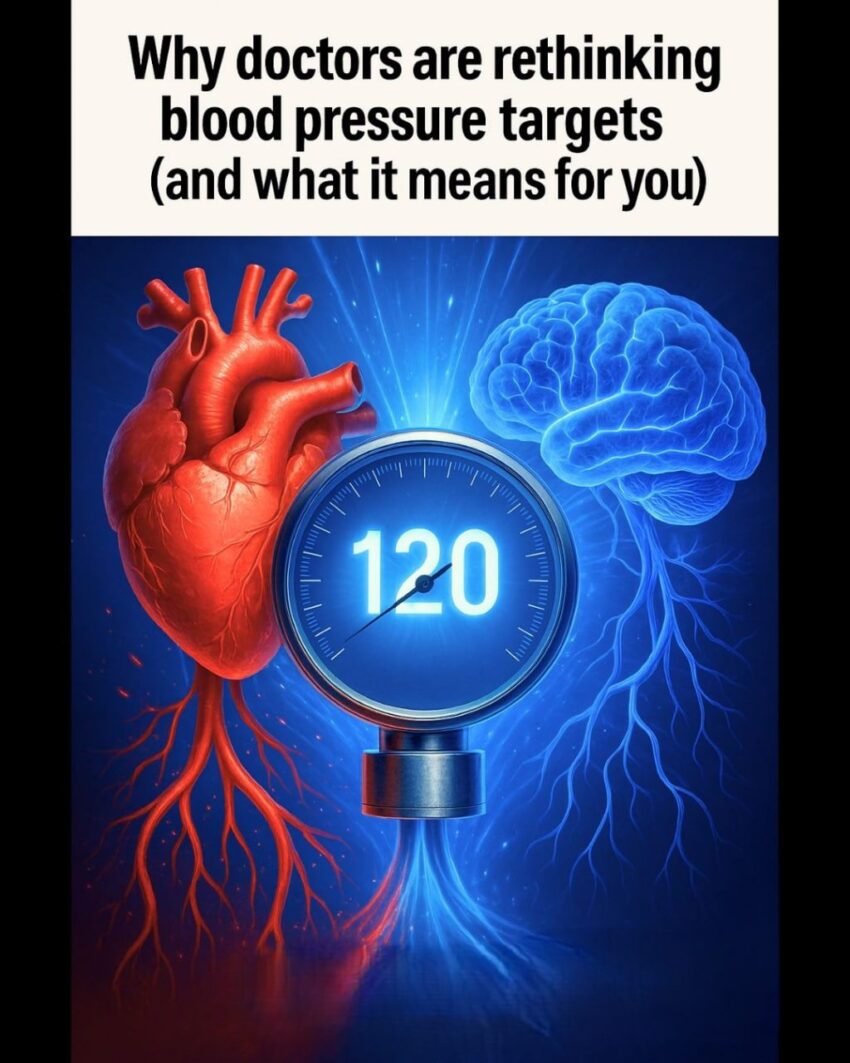
Blood Pressure Guidelines Are Changing—Here’s What That Really Means
Introduction
Blood pressure has long been one of the most important markers doctors use to assess heart health. But recent research is reshaping what “normal” and “safe” actually mean. These updates aren’t just technical adjustments—they could change how millions of people are diagnosed and treated.
What Counts as “Normal” Blood Pressure Now?
Traditionally, a reading of 120/80 mmHg was considered ideal, with concern starting around 140/90. However, newer guidance—such as that influenced by the SPRINT Trial—suggests that lower targets may reduce the risk of serious complications.
Many experts now consider:
- Normal: Less than 120/80
- Elevated: 120–129 / under 80
- High (Hypertension Stage 1): 130–139 or 80–89
- High (Stage 2): 140/90 or higher
This means more people fall into the “high blood pressure” category than before.
Why the Shift Happened
1. Lower Risk at Lower Numbers
Large studies have shown that keeping blood pressure closer to 120 systolic can significantly reduce the risk of heart attacks, strokes, and death—especially in high-risk individuals.
2. Focus on Long-Term Damage
Even moderately elevated blood pressure can silently damage arteries, kidneys, and the brain over time. Conditions like hypertension often develop without noticeable symptoms, making earlier intervention more important.
3. Personalized Medicine
Doctors are moving away from one-size-fits-all thresholds. Age, existing conditions, and overall risk now play a bigger role in deciding what’s “safe” for each individual.
What This Means for You
More People May Be Diagnosed
Under newer definitions, someone who was previously considered “borderline” may now be diagnosed with high blood pressure.
Treatment Doesn’t Always Mean Medication
A diagnosis doesn’t automatically lead to prescriptions. Many cases—especially early-stage—are managed with lifestyle changes such as:
- Reducing salt intake
- Increasing physical activity
- Managing weight
- Improving sleep quality
Medication is typically reserved for higher-risk patients or when lifestyle changes aren’t enough.
The Controversy
Not all experts agree on how aggressive these targets should be. Some argue that pushing blood pressure too low—especially in older adults—can lead to dizziness, falls, or reduced blood flow to vital organs.
This ongoing debate reflects a broader shift: balancing the benefits of prevention with the risks of over-treatment.
The Bottom Line
Blood pressure guidelines are evolving because research is revealing that risk starts earlier than once believed. The biggest change isn’t just the numbers—it’s the mindset: earlier awareness, more personalized care, and a stronger focus on preventing long-term damage.
If you haven’t checked your blood pressure recently, it may be worth doing so—because what counts as “safe” might be lower than you think.