The Most Dangerous Sleeping Position You Didn’t Know You Had
Introduction
Sleep is essential for physical recovery and mental health, but the way you sleep can quietly affect your body in harmful ways. While most people focus on how long they sleep, fewer consider how their sleeping position might be impacting their spine, breathing, and overall well-being. One position in particular is more problematic than it seems.
The Position: Sleeping on Your Stomach
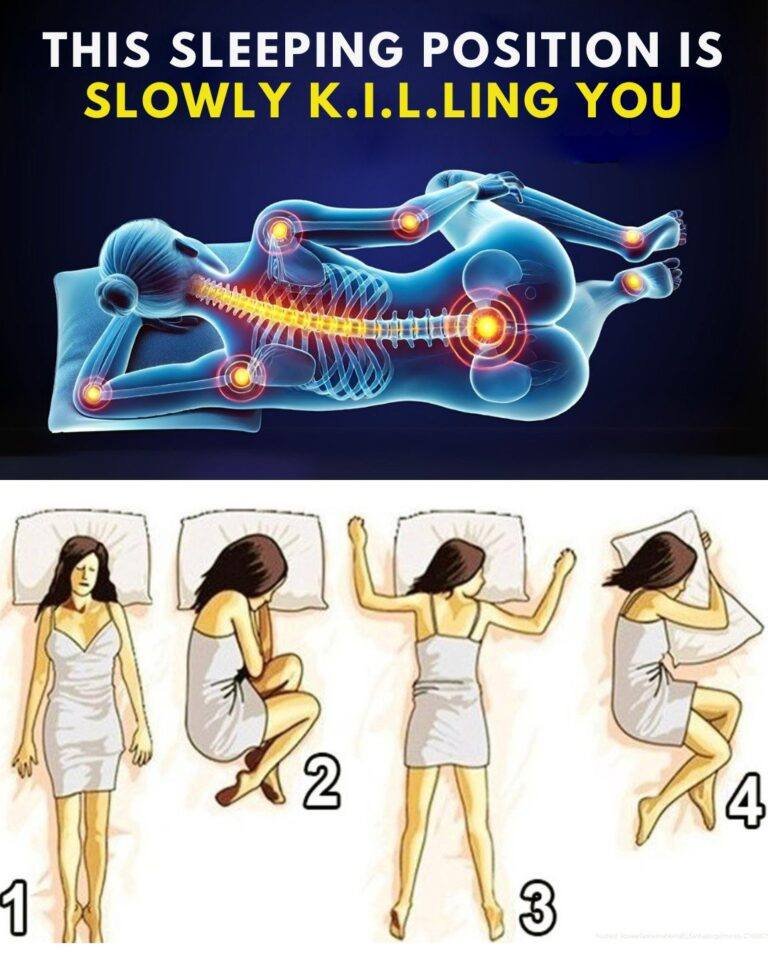
Sleeping on your stomach is often considered the most harmful position for long-term health. While it may feel comfortable in the moment, it puts strain on several parts of the body.
Why It’s Problematic
1. Neck Strain
When you sleep on your stomach, your head must be turned to one side for breathing. This creates an unnatural twist in the neck that can lead to stiffness, soreness, and even chronic pain over time.
2. Spine Misalignment
Your spine has a natural curve, and stomach sleeping flattens it. This can put pressure on the lower back and lead to discomfort or long-term alignment issues.
3. Increased Pressure on Joints
This position can place uneven pressure on joints and muscles, especially in the shoulders and hips, leading to soreness or inflammation.
4. Breathing Restriction
Sleeping face-down can slightly compress the chest, making deep breathing more difficult. This may reduce sleep quality over time.
Who Is Most at Risk
- People with existing neck or back pain
- Individuals with poor posture during the day
- Those who use very soft mattresses or unsupportive pillows
Better Alternatives
Side Sleeping
Sleeping on your side is often the healthiest option. It helps maintain spinal alignment and can reduce snoring and symptoms of conditions like sleep apnea.
Back Sleeping
Sleeping on your back evenly distributes weight and minimizes pressure points, though it may not be ideal for people who snore heavily.
Tips to Improve Your Sleeping Position
- Use a supportive pillow that keeps your neck aligned
- Place a pillow under your knees (for back sleepers) or between your knees (for side sleepers)
- Try gradually shifting positions instead of forcing a sudden change
- Choose a medium-firm mattress for proper support
Can You Train Yourself to Change Positions?
Yes, but it takes consistency. You can use pillows to block yourself from rolling onto your stomach or start by falling asleep in a healthier position each night. Over time, your body adapts.
Conclusion
Sleeping on your stomach may feel natural, but it can quietly lead to long-term discomfort and health issues. Adjusting your sleeping position is a small change that can make a significant difference in how you feel each day.