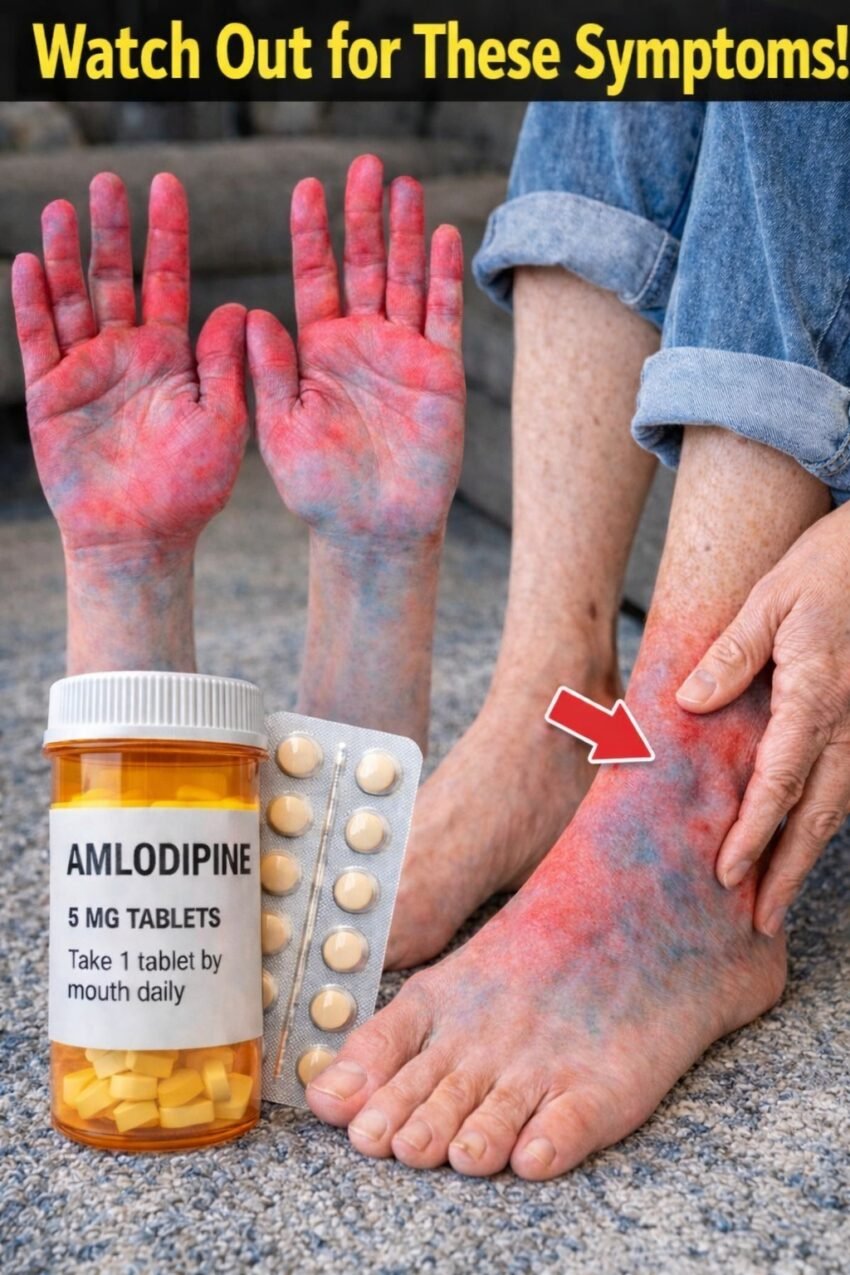
That headline is pure fear-mongering. There’s nothing a doctor is “praying you don’t discover” about Metoprolol. It’s a widely used, well-studied beta blocker, and its side effects are already well known and routinely discussed with patients.Like all medications, it has possible side effects—but most are predictable, manageable, and depend on dose and individual response.
Common side effects (more likely, usually mild)
- Fatigue or low energy
- Slow heart rate (bradycardia)
- Dizziness, especially when standing up
- Cold hands or feet
- Mild low blood pressure
These often improve as the body adjusts.
Linked condition context: Hypertension
Less common side effects
- Sleep disturbances or vivid dreams
- Shortness of breath in sensitive people (especially those with asthma or COPD)
- Mild depression or low mood in some individuals
- Reduced exercise tolerance
Rare but important side effects
- Severe slow heart rate or heart block (usually in people with underlying heart conduction issues)
Other rare reactions can include allergic responses or worsening of certain circulation issues.
Linked condition context: Heart Disease
Important reality check
What these viral posts leave out:
- Most people tolerate metoprolol well
- It is often life-saving after heart attacks or in arrhythmias
- Doctors prescribe it because benefits usually outweigh risks
🚩 When to contact a doctor
Not internet panic—real signs include:
- fainting
- extremely slow pulse
- severe shortness of breath
- sudden swelling or chest pain
🧠 Bottom line
Metoprolol is not a “hidden danger drug.” It’s a standard, widely trusted medication with known, manageable side effects that are monitored in clinical practice.
If you want, I can compare metoprolol vs other blood pressure medicines in simple terms so you understand why doctors choose it.