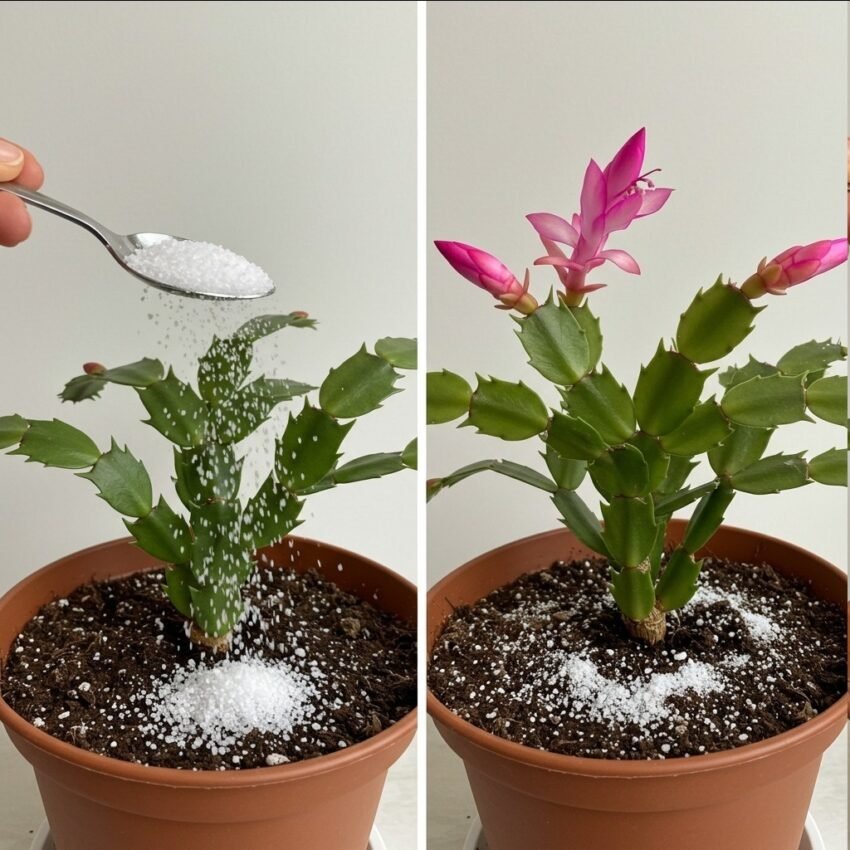
That title is another clickbait-style phrase, but the real topic is simple: how to help houseplants recover and stay healthy during fall. There is no “secret trick”—just seasonal care adjustments that make a big difference.
Fall Awakening: How to Help House Flowers Thrive in Autumn
When fall arrives, indoor plants naturally slow down. Less sunlight, cooler temperatures, and dry indoor air can make them look tired or stop blooming.
Why plants struggle in fall
- Shorter daylight hours reduce growth
- Lower light intensity affects flowering
- Indoor heating reduces humidity
- Soil stays wet longer, increasing root risk
The real “secret”: adjust care, don’t force growth
Healthy fall plant care is about less stress, not more effort.
1. Reduce watering
Most houseplants need less water in fall.
- Check soil before watering
- Water only when the top layer is dry
- Avoid keeping soil constantly moist
Overwatering is the #1 cause of fall plant problems.
2. Give more light
Move plants closer to windows:
- South or east-facing windows are best
- Rotate pots weekly for even growth
- Clean leaves so they absorb more light
3. Stop heavy fertilizing
Plants slow down in fall, so:
- Reduce or pause fertilizer
- Overfeeding can stress roots
4. Maintain humidity
Indoor air gets dry in cooler months:
- Group plants together
- Use a shallow water tray with pebbles
- Mist lightly (only for tropical plants)
5. Clean and prune
- Remove yellow or dead leaves
- Wipe dust off leaves
- Trim weak growth
This helps plants focus energy on healthy parts.
Common mistakes people make
- Watering like it’s summer
- Keeping plants in dark corners
- Over-fertilizing “to boost growth”
- Ignoring early drooping signs
Bottom line
There is no magical “secret.” The real solution is simple seasonal adjustment: less water, more light, and gentler care.
If you want, I can give you a plant-by-plant fall care guide (money plant, roses, jasmine, aloe vera, etc.) or a rescue plan for dying indoor plants.