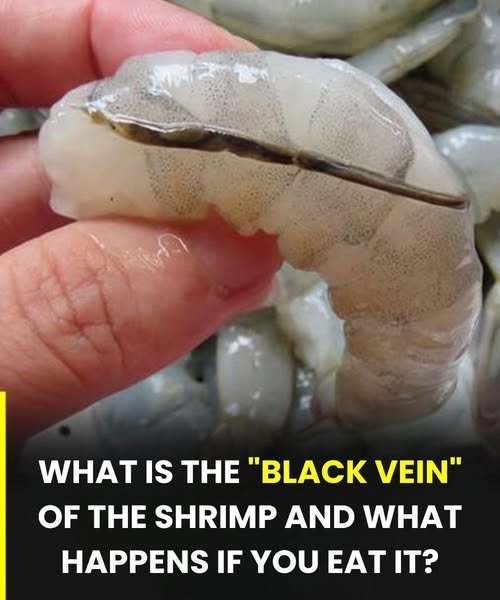
The “vein” in shrimp is one of those food topics that sounds more mysterious than it really is.
🦐 What the shrimp “vein” actually is
Shrimp do not have a vein in the human sense. What people call the “vein” is actually the:
- digestive tract (intestine)
- a dark line running along the back of the shrimp
It may contain sand, grit, or digestive waste depending on how the shrimp was processed.
🧠 Why it’s called a “vein”
- The line is thin and dark, so it looks like a blood vessel
- In reality, shrimp blood is clear/blue, not dark
- The term “vein” is just a cooking nickname, not anatomy
🍽️ Is it safe to eat?
Yes, usually safe:
- Commercially cleaned shrimp often still have it
- Cooking kills bacteria
- Many people eat it without issue
But it may affect taste/texture:
- Can taste slightly gritty
- More noticeable in large shrimp or prawns
🔪 Why people remove it (“deveining”)
Reasons:
- Improves appearance
- Removes possible grit or sand
- Slightly better texture and taste
When it matters most:
- Large shrimp/prawns
- Shell-on shrimp cooked quickly (grilling, sautéing)
🧾 How to remove it (simple method)
- Peel shrimp (optional step)
- Make a shallow cut along the back
- Lift out the dark line with a knife tip or toothpick
- Rinse lightly if needed
❌ Common myths
- It is NOT a blood vessel
- It is NOT dangerous in most cases
- Not removing it does NOT make shrimp unsafe
🧠 Bottom line
The shrimp “vein” is actually its digestive tract. Removing it is mainly about cleanliness, appearance, and texture, not food safety.
If you want, I can also explain:
- how to clean shrimp quickly in 2 minutes
- or the difference between prawns and shrimp in cooking and taste