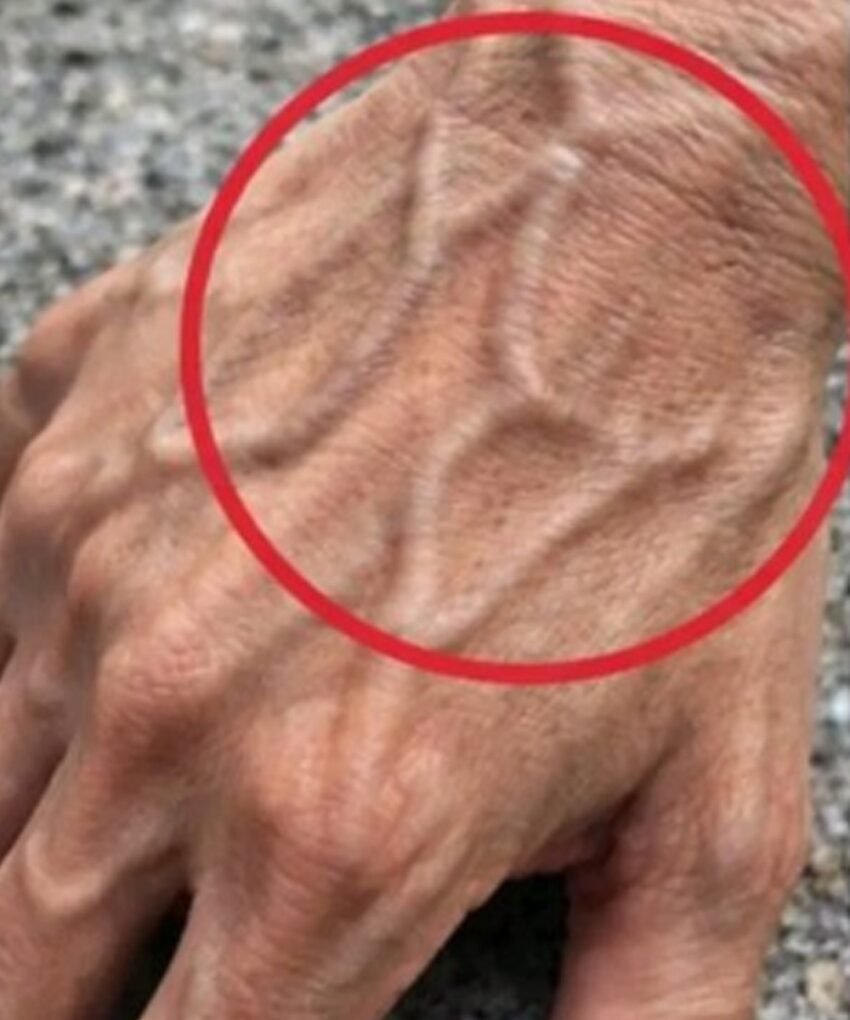
The line “If you have visible veins, it means you are…” is usually part of viral fitness or health posts, but the truth is more simple and less dramatic.
What visible veins actually mean
Vascularity refers to how noticeable your veins are under the skin.
Visible veins can happen for several normal reasons:
1. Low body fat
- Less fat under the skin makes veins easier to see
- Common in athletes and people who exercise regularly
2. Genetics
- Some people naturally have more visible veins
- Skin thickness and vein placement vary from person to person
3. Exercise or muscle pump
- During or after exercise, blood flow increases
- Veins become more visible temporarily
4. Heat or temperature
- Warm temperatures cause veins to expand
- This makes them easier to see
5. Hydration and blood flow changes
- Dehydration or changes in circulation can affect visibility
- Usually temporary and not dangerous
What it does NOT mean
Visible veins do NOT automatically mean:
- You are very healthy or “super fit”
- You are dehydrated in a dangerous way
- You have a medical problem (in most cases)
When to be cautious
Visible veins are usually normal, but see a doctor if you notice:
- Sudden swelling in one limb
- Pain, redness, or warmth over a vein
- Bulging veins with discomfort (possible varicose veins)
Bottom line
Visible veins are most often a normal combination of low body fat, genetics, and blood flow changes, not a sign of something extraordinary.
If you want, I can explain:
- how to reduce or increase vascularity naturally
- or what “good vs concerning” veins look like medically