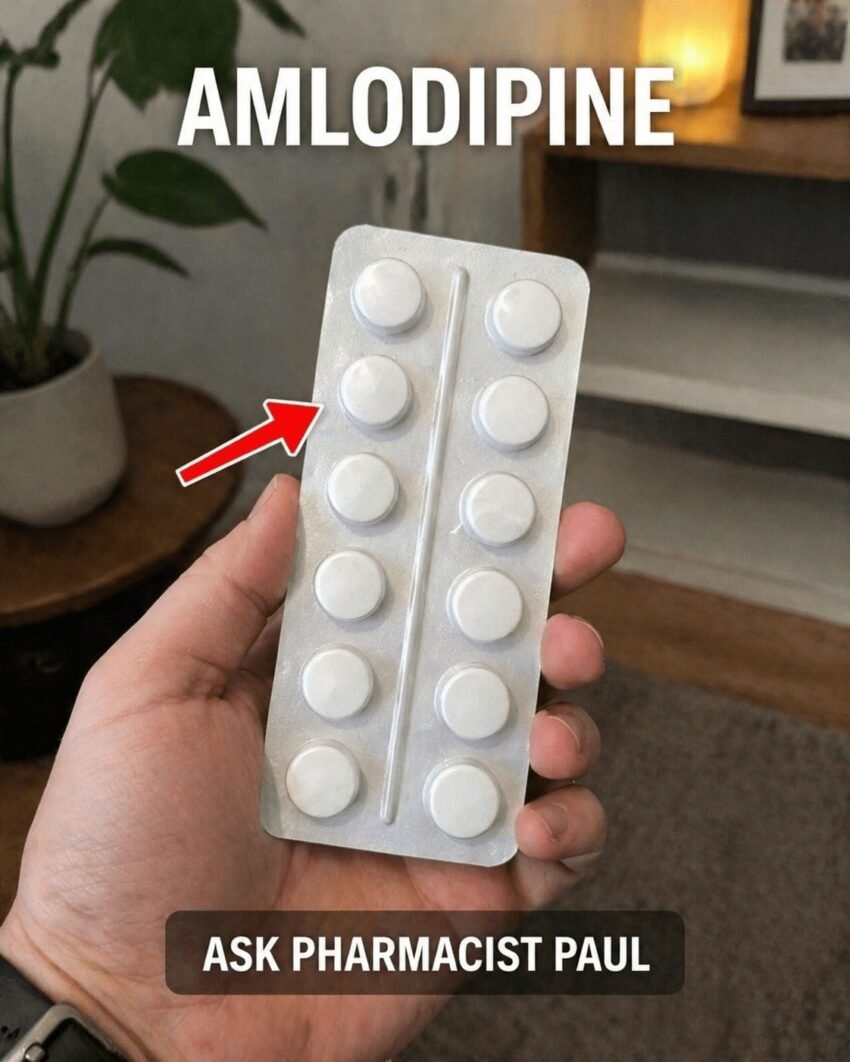
8 Habits You Should Stop If You Are Taking Amlodipine—and Why
Introduction
If you are taking Amlodipine, small lifestyle habits can significantly affect how well the medication works and how you feel on it. Amlodipine is a calcium channel blocker used to treat high blood pressure and chest pain. It works by relaxing blood vessels, making it easier for the heart to pump blood.
However, certain everyday habits can reduce its effectiveness or increase side effects like swelling, dizziness, or low blood pressure.
1. Eating Too Much Salt
High sodium intake is one of the biggest enemies of blood pressure control.
- Causes fluid retention
- Raises blood pressure despite medication
- Can worsen swelling in legs or ankles (a known side effect of amlodipine)
Reducing processed foods, fast food, and salty snacks can improve results significantly.
2. Skipping Medication or Taking It Irregularly
Amlodipine works best when taken consistently.
- Irregular dosing can cause blood pressure fluctuations
- May increase risk of stroke or chest pain
- Reduces overall treatment effectiveness
Even if you feel fine, hypertension often has no symptoms.
3. Drinking Excess Alcohol
Alcohol can interfere with blood pressure control.
- May enhance dizziness or lightheadedness
- Can lower blood pressure too much in combination with amlodipine
- Increases strain on the heart over time
Moderation is important, and some people may need to avoid it entirely.
4. Eating Grapefruit or Grapefruit Juice Frequently
Grapefruit can interfere with how some medications are metabolized in the liver.
- May increase drug levels in the bloodstream
- Could increase side effects like low blood pressure or swelling
- Not everyone is affected equally, but caution is advised
If unsure, ask your doctor whether it applies to your case.
5. Sitting or Standing for Very Long Periods
Amlodipine relaxes blood vessels, which can sometimes cause pooling of blood in the legs.
- Long inactivity can worsen swelling
- May increase dizziness when standing suddenly
- Poor circulation can become more noticeable
Regular movement helps blood flow and reduces discomfort.
6. Ignoring Swelling in Feet or Ankles
Mild swelling is a known side effect of Amlodipine, but ignoring worsening symptoms is not advisable.
- Persistent swelling may need dose adjustment
- Can sometimes signal intolerance to the medication
- Should be discussed with a healthcare provider
7. Taking NSAIDs Frequently Without Medical Advice
Non-steroidal anti-inflammatory drugs (like ibuprofen) can interfere with blood pressure control.
- May reduce the effectiveness of amlodipine
- Can increase fluid retention
- May raise blood pressure over time
Occasional use may be fine, but regular use should be monitored.
8. Living a Sedentary Lifestyle
Medication alone is not enough to control blood pressure.
- Lack of exercise weakens cardiovascular health
- Reduces the effectiveness of blood pressure treatment
- Increases risk of weight gain and insulin resistance
Even moderate activity like walking can make a big difference.
Important Reality Check
- These habits do not “cancel out” amlodipine instantly
- Effects are usually gradual and depend on overall health
- Most people benefit from combining medication with lifestyle changes
Conclusion
When taking Amlodipine, avoiding certain habits can improve blood pressure control and reduce side effects. The most important changes involve:
- Reducing salt and alcohol
- Staying active
- Taking medication consistently
- Being mindful of drug and food interactions
If you experience persistent side effects or blood pressure fluctuations, a doctor can adjust the dose or suggest alternatives tailored to your needs.