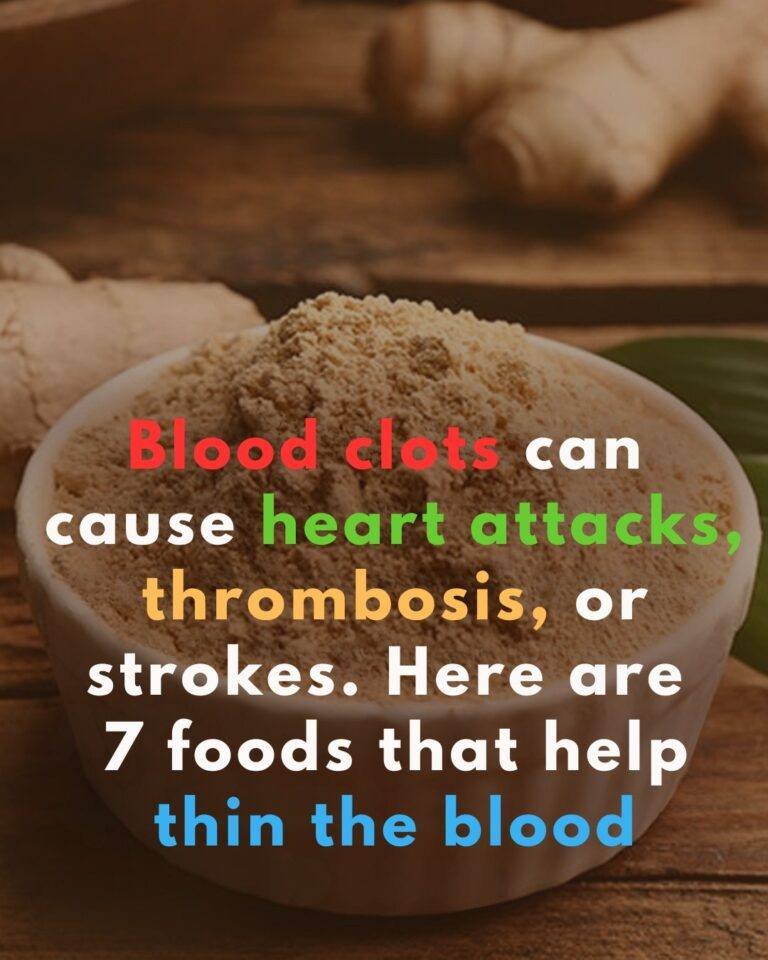
7 Powerful “Blood-Thinning” Foods You Should Know About
Important note first
The foods below do not “thin blood” like prescription anticoagulant medicines. Instead, some foods may have mild antiplatelet or circulation-supporting effects, which can slightly reduce clotting tendency in certain people. These effects are usually small, but they can matter if you already take blood-thinning medication.
Always talk to a doctor if you are on medicines like warfarin or aspirin.
1. Garlic
Garlic
Garlic contains natural sulfur compounds that may mildly reduce platelet aggregation (how blood cells stick together). It is one of the most commonly studied foods for circulation support.
2. Ginger
Ginger
Ginger may help reduce inflammation and slightly inhibit platelet activity. It is often used in teas and cooking for digestive and circulatory benefits.
3. Turmeric
Turmeric
Turmeric contains curcumin, which has anti-inflammatory properties and may have a mild effect on blood clotting pathways.
4. Fatty fish
Salmon
Sardines
Fatty fish contain omega-3 fatty acids that may help reduce blood clot formation by improving blood flow and reducing platelet stickiness.
5. Berries
Blueberries
Strawberries
Berries contain antioxidants and flavonoids that support blood vessel health and may improve circulation.
6. Olive oil
Olive Oil
Extra virgin olive oil contains polyphenols and healthy fats that support cardiovascular health and may reduce inflammation-related clotting risk.
7. Cinnamon
Cinnamon
Cinnamon contains compounds that may influence platelet activity slightly, though evidence is limited and dosage matters.
Safety Considerations
These foods are generally safe in normal dietary amounts, but caution is important if you:
- Take prescription blood thinners (warfarin, clopidogrel, aspirin)
- Have a bleeding disorder
- Are preparing for surgery
In those cases, even “natural” blood-thinning effects may increase bleeding risk when combined.
Conclusion
Foods like garlic, ginger, turmeric, fatty fish, berries, olive oil, and cinnamon may support healthy circulation and have mild blood-thinning-like effects. However, they are not substitutes for medication and should be used as part of a balanced diet rather than for medical treatment.