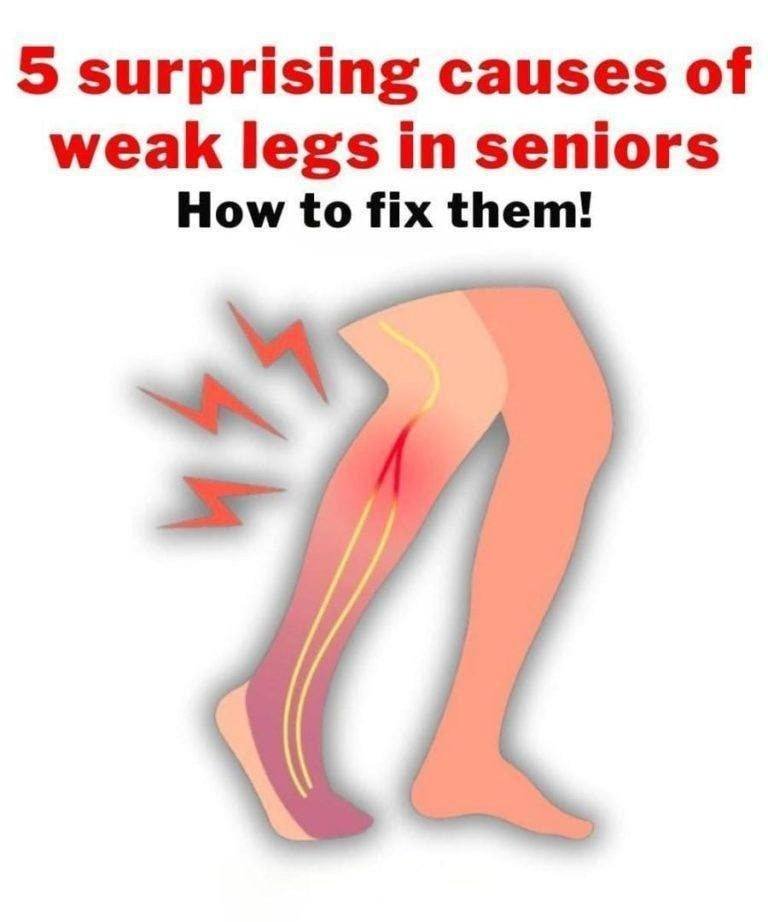
5 Surprising Causes of Weak Legs in Seniors — and How to Fix Them
Leg weakness in seniors is common and can affect mobility, independence, and quality of life. While some causes are obvious, like aging or arthritis, others may be less expected. Recognizing the root cause is key to improving strength and preventing falls.
1. Vitamin and Mineral Deficiencies
Why it happens: Low levels of vitamin D, B12, magnesium, or calcium can impair muscle function, leading to weakness, cramps, or numbness.
Signs: Fatigue, tingling in legs, muscle cramps.
How to fix it:
- Get blood tests to identify deficiencies.
- Supplement under medical guidance (e.g., vitamin D, B12).
- Eat nutrient-rich foods: leafy greens, dairy, eggs, fish, nuts.
2. Peripheral Neuropathy
Why it happens: Damage to peripheral nerves, often from diabetes, alcohol use, or medications, can cause leg weakness, numbness, or burning sensations.
Signs: Tingling, pain, reduced sensation, balance problems.
How to fix it:
- Manage underlying conditions like diabetes.
- Physical therapy to improve strength and balance.
- Medications or topical treatments may relieve nerve pain.
3. Circulation Problems (Poor Blood Flow)
Why it happens: Conditions like peripheral artery disease (PAD) or varicose veins reduce blood flow to the legs, weakening muscles over time.
Signs: Pain when walking (claudication), cold feet, slow-healing wounds.
How to fix it:
- Regular exercise to improve circulation.
- Compression stockings for vein health.
- Medical interventions for severe PAD.
4. Sedentary Lifestyle and Muscle Atrophy
Why it happens: Lack of physical activity causes muscles to weaken and shrink, reducing leg strength and stability.
Signs: Difficulty standing from a chair, slower walking, fatigue.
How to fix it:
- Begin gentle resistance exercises like leg lifts, squats, or resistance bands.
- Include walking, swimming, or cycling to maintain cardiovascular health.
- Consistency is key — even 10–15 minutes a day helps.
5. Medication Side Effects
Why it happens: Some medications, including blood pressure drugs, statins, sedatives, or chemotherapy agents, can contribute to muscle weakness or fatigue.
Signs: Weakness starts after starting a new medication or dosage change.
How to fix it:
- Talk to your doctor before stopping any medication.
- Ask about alternatives or dose adjustments.
- Support muscles with nutrition, exercise, and physical therapy.
Bonus Tips for Stronger Legs
- Balance training: Heel-to-toe walking or standing on one leg reduces fall risk.
- Stretching: Improves flexibility and prevents cramps.
- Adequate hydration: Dehydration can worsen fatigue and muscle weakness.
- Regular checkups: Early detection of diabetes, PAD, or neuropathy can prevent progression.
Key Takeaway
Weak legs in seniors are often multifactorial — nutrient deficiencies, nerve damage, circulation issues, inactivity, or medications can all play a role. Targeted interventions like exercise, nutrition, medical management, and balance training can restore strength, mobility, and confidence.
If you want, I can also make a “Leg Strength Recovery Guide for Seniors” with exercises, nutrition tips, and warning signs for easy daily reference.
Do you want me to make that guide?