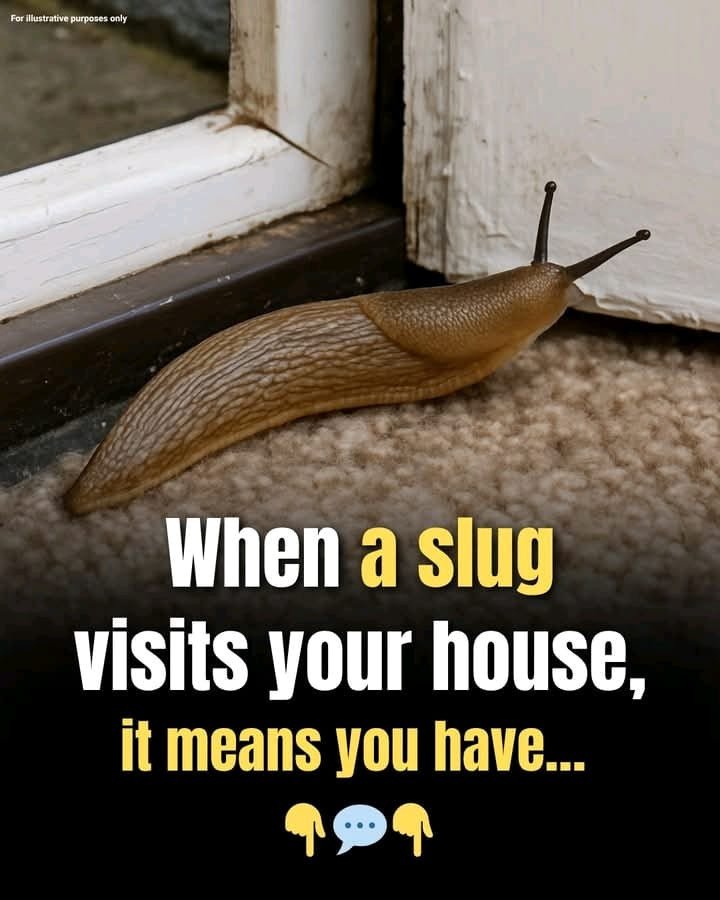
Why Slugs Deserve More Credit Than You Think
Slugs are often dismissed as slimy garden pests, but they play important ecological roles and have some surprisingly interesting biological traits. Far from being “useless,” they are part of the quiet infrastructure that keeps ecosystems functioning.
What slugs actually are
Slugs are soft-bodied mollusks closely related to snails, but without an external shell.
slug are found in damp environments worldwide, especially in gardens, forests, and grasslands.
1. They help break down organic matter
Slugs are important decomposers.
They feed on:
- Dead plant material
- Fungi
- Decaying leaves
This helps:
- Recycle nutrients back into the soil
- Speed up decomposition
- Support healthy plant growth indirectly
In simple terms, they help “clean up” ecosystems.
2. They are part of the food chain
Slugs are a key food source for many animals, including:
- Birds (like thrushes and blackbirds)
- Frogs and toads
- Hedgehogs
- Beetles
Without slugs, many species would lose an important food supply.
3. They support soil health indirectly
By feeding and moving through soil and leaf litter, slugs:
- Help mix organic material
- Encourage microbial activity
- Contribute to nutrient cycling
While they don’t “fertilize” soil directly, their activity supports the ecosystem processes that do.
4. They have surprising biological adaptations
Despite their simple appearance, slugs have interesting traits:
- They produce mucus that helps them move and protect their bodies
- Some species can survive dry periods by slowing their metabolism
- They have sensory abilities to detect moisture, light, and chemicals in their environment
These adaptations help them thrive in variable conditions.
5. They are indicators of environmental conditions
Because slugs are sensitive to:
- Dryness
- Pollution
- Habitat changes
Their presence (or absence) can help scientists understand ecosystem health.
Why they get a bad reputation
Slugs are often disliked because:
- They eat garden plants
- They appear in large numbers in wet weather
- Their appearance is perceived as unpleasant
But from an ecological perspective, they are doing what they evolved to do.
How to think about slugs in gardens
If they become a nuisance:
- Physical barriers (like copper tape) can deter them
- Encouraging natural predators helps balance populations
- Avoiding overwatering reduces slug-friendly conditions
The goal is balance, not elimination.
Conclusion
Slugs may not be charming, but they are ecologically important. As decomposers, prey species, and environmental indicators, they play a quiet but essential role in natural systems.
Seeing them as part of a larger ecosystem—not just garden pests—gives a more accurate and balanced view of their value.