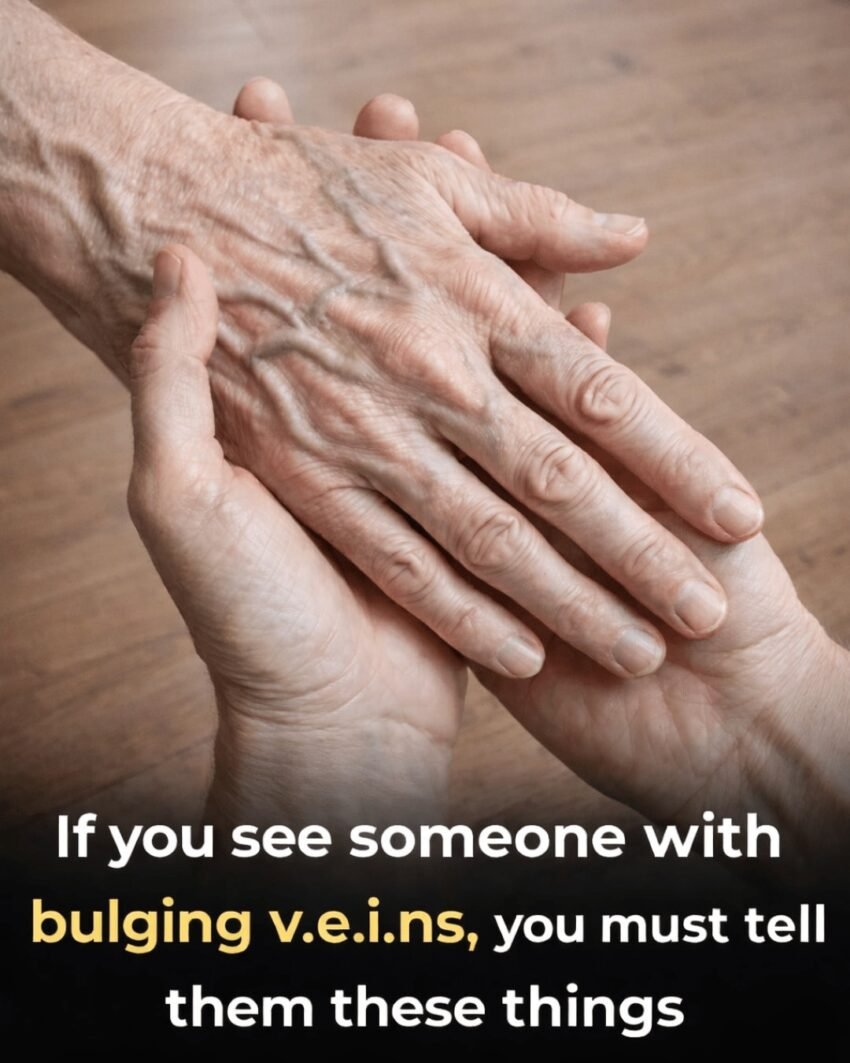
Why Are My Veins Suddenly Bulging and Visible?
If you’ve recently noticed that your veins are becoming more visible or even bulging, it might be a cause for concern—or it could be a simple and natural change. Visible veins, also known as prominent veins, are a common occurrence and can be linked to a variety of factors, ranging from lifestyle changes to medical conditions. Understanding the reasons behind this can help you determine whether it’s something to worry about or if it’s a normal change in your body.
Let’s dive into some potential causes for suddenly noticeable or bulging veins and when you should seek medical advice.
1. Increased Physical Activity
What It Is:
One of the most common reasons for veins to become more prominent is exercise, especially strength training or cardiovascular exercise. When you engage in physical activity, your body works harder to pump blood to muscles, leading to temporary increased blood flow.
Why It Happens:
- When you exercise, your muscles require more oxygen and nutrients, causing blood to be pushed into the veins. This can make veins appear more prominent, especially in areas like the arms, legs, or hands.
- Vasodilation occurs when blood vessels expand to accommodate the higher volume of blood, causing veins to bulge.
What You Can Do:
- If the appearance of visible veins is due to exercise, it’s usually temporary and resolves once your body returns to a resting state. However, if you’re regularly seeing visible veins after exercise, it could also indicate that you’re gaining muscle or becoming leaner, which can make veins more noticeable.
- Hydrate properly and give your muscles time to rest to help maintain circulation and vein health.
2. Low Body Fat Percentage
What It Is:
If you’ve been working out or dieting, a low body fat percentage can make veins more visible. For individuals with less subcutaneous fat, veins naturally become more prominent, especially in areas like the arms and abdomen.
Why It Happens:
- Fat loss: When you lose fat, the skin becomes thinner, and the veins underneath become more visible. This is often seen in individuals who are athletic, especially those who engage in high-intensity workouts or have low overall body fat.
- Increased vascularity: Some people are genetically predisposed to having veins that are more visible due to their vascularity, which is influenced by genetics and muscle mass.
What You Can Do:
- Maintain a balanced diet and continue exercising to keep your body fat percentage in a healthy range.
- If you’re unsure whether you’ve lost too much fat or are pushing your body too hard, consult with a healthcare professional or nutritionist for guidance.
3. Age-Related Changes
What It Is:
As you age, your skin becomes thinner, and your veins can lose some of their elasticity. This can lead to more visible veins, especially on the hands, forearms, and legs.
Why It Happens:
- As we age, collagen production decreases, leading to the thinning of the skin. This can make veins appear more prominent because there is less tissue to cover them.
- Additionally, vein valves can weaken over time, making it easier for blood to pool and causing veins to bulge.
What You Can Do:
- Wear compression stockings if you have noticeable varicose veins or bulging veins in the legs. These can help with blood flow.
- Healthy lifestyle habits like regular physical activity, a balanced diet, and staying hydrated can slow down the aging process and help keep veins healthy.
4. Pregnancy
What It Is:
Pregnancy brings several changes to the body, including increased blood volume and pressure on the veins, which can cause veins to become more prominent.
Why It Happens:
- During pregnancy, the body produces more blood to supply the growing fetus. This increase in blood volume puts added pressure on veins, especially in the legs, causing them to bulge or become more visible.
- Additionally, the hormonal changes during pregnancy can cause blood vessels to relax, leading to more pronounced veins.
What You Can Do:
- Elevating your legs and wearing compression socks may help alleviate the pressure on your veins.
- Always consult with your healthcare provider if you notice severe or painful bulging veins, as it could be a sign of varicose veins or other circulatory issues.
5. Varicose Veins
What It Is:
Varicose veins are enlarged, twisted veins that are visible just under the skin. They most commonly appear on the legs but can occur in other areas as well.
Why It Happens:
- Varicose veins are caused by weak or damaged valves in the veins, which cause blood to pool rather than flowing back to the heart properly. As a result, veins become enlarged and more visible.
- Risk factors include genetics, age, pregnancy, prolonged periods of standing or sitting, and a lack of physical activity.
What You Can Do:
- If you notice pain, swelling, or discoloration around the bulging veins, seek medical advice, as varicose veins may require treatment, such as sclerotherapy or laser therapy.
- For mild cases, regular exercise, elevation of legs, and compression stockings can help improve circulation and reduce symptoms.
6. Blood Pressure and Circulatory Issues
What It Is:
Increased blood pressure or circulatory issues can cause veins to become more visible or bulge. For example, high blood pressure can put more strain on the blood vessels, and poor circulation can result in blood pooling in veins.
Why It Happens:
- When the heart is pumping harder to circulate blood, veins may become more prominent as they carry blood under increased pressure.
- In some cases, conditions like deep vein thrombosis (DVT) or chronic venous insufficiency can cause veins to appear more pronounced or swollen.
What You Can Do:
- Monitor blood pressure regularly and consult with a doctor if you have any concerns.
- Exercise and maintaining a healthy weight can help improve circulation and blood pressure, but always speak to a healthcare provider if you’re concerned about circulatory issues.
7. Medications and Hormonal Changes
What It Is:
Certain medications or hormonal fluctuations can contribute to more visible veins. For example, birth control pills, steroid use, or hormone replacement therapy can affect blood flow or skin elasticity.
Why It Happens:
- Some medications may increase blood volume or cause fluid retention, which can make veins appear more pronounced.
- Hormonal changes, particularly during puberty, menopause, or pregnancy, can affect vascularity and make veins more visible.
What You Can Do:
- If you believe that medication or hormonal changes are contributing to your bulging veins, talk to your doctor about adjusting your treatment plan.
When to Seek Medical Attention
If your veins are suddenly bulging or becoming more visible and you’re experiencing any of the following symptoms, it’s essential to seek medical advice:
- Pain, swelling, or tenderness around the veins
- Redness or discoloration of the skin
- Ulcers or sores near the veins
- Heavy feeling in the affected area
- Shortness of breath or chest pain (if you suspect a clot)
These could be signs of a serious circulatory issue like deep vein thrombosis (DVT) or varicose veins that may require professional treatment.
Final Thoughts
Suddenly bulging or visible veins can be a natural and temporary change, often caused by factors like exercise, aging, pregnancy, or low body fat. However, it’s important to pay attention to any accompanying symptoms, as visible veins could sometimes indicate more significant underlying issues like varicose veins, poor circulation, or even hormonal changes.
If you’re concerned about the appearance of your veins, or if you experience pain or discomfort, don’t hesitate to consult with a healthcare provider for a thorough evaluation and advice on treatment or management options.