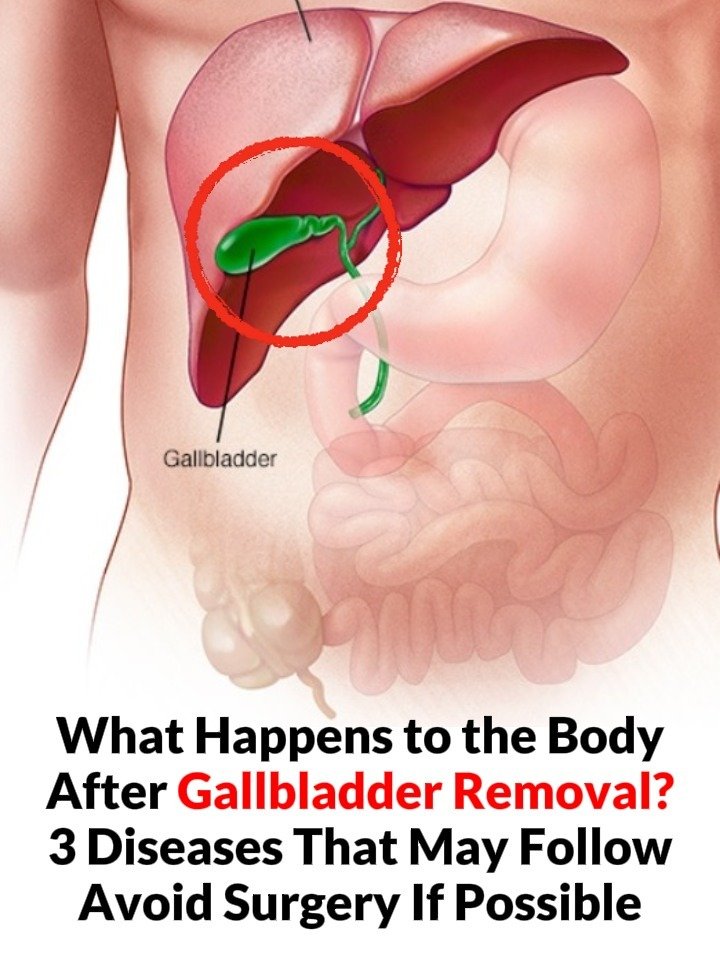
What Happens to the Body After Gallbladder Removal?
Gallbladder removal, known medically as a cholecystectomy, is a common operation performed to treat gallstones, inflammation, or blockage in the gallbladder.Gallstones are one of the most common reasons for this surgery.After the procedure, the body continues to function normally, but the way bile is delivered to the digestive system changes.
What the Gallbladder Normally Does
The gallbladder is a small organ that:
- Stores bile made by the liver
- Releases bile when you eat fatty foods
- Helps break down fats during digestion
It is not essential for survival.
What Changes After Removal
Once the gallbladder is removed:
1. Continuous bile flow
- Bile flows directly from the liver into the intestine
- It is no longer stored or released in large amounts
2. Digestive adaptation
- The body gradually adjusts to the new bile flow pattern
- Fat digestion still occurs, just less “spiked” release of bile
Common Short-Term Effects
In the weeks after surgery, some people experience:
1. Loose stools or diarrhea
- More frequent bowel movements in some cases
- Usually improves over time
2. Bloating or gas
- Temporary digestive discomfort
3. Fatty food sensitivity
- Large or greasy meals may be harder to tolerate at first
Long-Term Effects
For most people:
- Digestion returns to normal
- No special diet is required long-term
- No major limitations in daily life
- Symptoms improve within weeks to months
The body adapts well in most cases.
Possible Ongoing Symptoms (Less Common)
A small number of people may experience:
- Mild chronic diarrhea
- Bile acid irritation in the gut
- Ongoing food sensitivity
These issues are usually manageable with diet changes or medication if needed.
Why Surgery Is Usually Recommended
Gallbladder removal is typically advised because leaving the condition untreated can lead to complications such as:
- Repeated painful gallstone attacks
- Infection of the gallbladder
- Blocked bile ducts
- Inflammation of the pancreas
When to Seek Medical Advice After Surgery
Contact a doctor if you experience:
- Persistent severe diarrhea
- Fever or worsening abdominal pain
- Yellowing of the skin or eyes
- Symptoms that do not improve over time
Conclusion
After gallbladder removal, the body adapts by allowing bile to flow continuously into the digestive system instead of storing it. Most people recover well and live completely normal lives.
While some temporary digestive changes can occur, long-term outcomes are generally very good, and serious ongoing problems are uncommon.