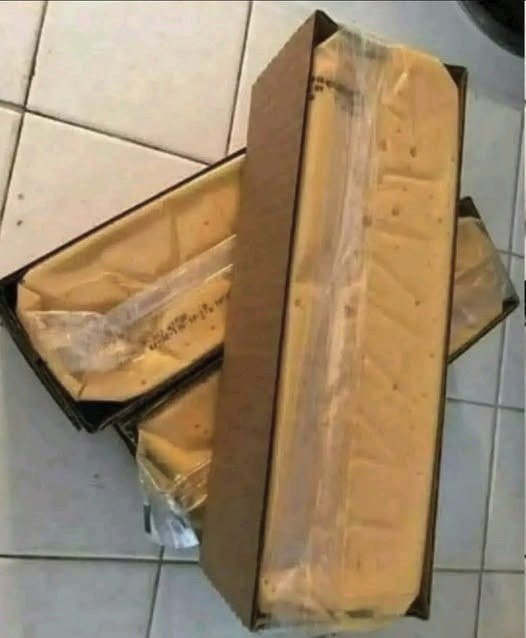
Government Cheese: A Brief History and Understanding
“Government cheese” is a term that refers to a type of processed cheese distributed by the U.S. government to low-income families and individuals, primarily during the 20th century. It became especially well-known during the 1970s and 1980s as a part of government assistance programs. Here’s a deeper look into what it is, how it came to be, and the cultural impact it had.
1. What is Government Cheese?
Government cheese is a processed cheese product that was often distributed in large blocks to people receiving benefits from federal assistance programs, such as Supplemental Nutrition Assistance Program (SNAP), WIC (Women, Infants, and Children), and Commodity Supplemental Food Program (CSFP). The cheese was made primarily from surplus dairy products and was intended to help alleviate food insecurity and provide nutritional support to those in need.
While it was technically a form of American cheese, it was often processed and packed in a way that made it last longer and be more cost-effective for mass distribution. It was sold in large 5-pound blocks or given out as part of government food programs.
2. The History Behind Government Cheese
Government cheese first became widely distributed in the 1950s. The government began purchasing excess cheese from farmers as a way to stabilize dairy prices and support struggling farmers. At the time, the U.S. government was using various agricultural programs to balance supply and demand for key products like milk, corn, and wheat.
In the early years, dairy surpluses were bought up by the government and turned into processed cheese, which could be stored for long periods. This surplus cheese was then distributed to those eligible for federal assistance, particularly during times of economic hardship, like the Great Depression, and later during times of high dairy production.
- Farm Support: During periods when dairy farmers were producing more milk than the market could absorb, the government stepped in to buy up the excess and create long-lasting cheese products.
- Welfare Assistance: These surpluses were then distributed to low-income families and other vulnerable populations through welfare programs.
3. The Cultural Impact of Government Cheese
Government cheese became an enduring symbol of poverty for many Americans, especially during the 1980s when it was most widely distributed. It was seen as a staple of food assistance, particularly in inner-city neighborhoods and rural areas.
While the cheese was initially appreciated for its practicality, it also gained a negative reputation for being a symbol of government handouts. For many, government cheese was not just a food product, but a reminder of their economic struggles.
- Cultural Association: “Government cheese” became more than just a food item—it became a symbol of hardship, particularly among African American communities who were disproportionately affected by poverty and relied on public assistance.
- Food Banks and Surplus Distribution: It also made its way into food banks, where people would receive large quantities of it along with other surplus items. Despite its processed nature, many people would find ways to incorporate it into meals as a substitute for more expensive cheese.
4. Why Did People Dislike It?
Although government cheese was free, it didn’t always come with the best reputation. There were several reasons why people disliked it:
- Taste and Texture: Processed cheese tends to have a very specific taste and texture, which some people found off-putting. It was often described as greasy and lacking the rich, sharp flavor of real cheese.
- Limited Options: The cheese came in bulk and was often the only dairy product provided, leaving little room for variety in meals.
- Stigma of Poverty: Because it was so closely tied to welfare programs, government cheese carried a stigma. People who received it were often stereotyped as being poor or dependent on government assistance.
However, some people who grew up with government cheese came to view it with a sense of nostalgia, recalling it as a source of comfort in hard times.
5. The Decline of Government Cheese
The large-scale distribution of government cheese began to fade in the 1990s as the U.S. shifted its agricultural and welfare policies. In the 1980s and 1990s, there was a movement toward food stamps and direct monetary assistance, which gradually replaced the need for bulk food distributions.
Changes in agricultural policy and the increasing reliance on modern welfare programs meant that less surplus dairy was being stored or processed into cheese. The last major government cheese distribution occurred in the early 2000s when cheese was no longer regularly provided through welfare programs.
While government cheese is no longer as widespread, it remains a part of American cultural memory, especially in low-income communities and among people who lived through its peak years.
6. Modern-Day Legacy and Use
Despite its decline in government distribution, government cheese is still mentioned in pop culture, often in a nostalgic or humorous light. Some people who grew up with it fondly recall how they used it in creative ways, from grilled cheese sandwiches to melted toppings on casseroles.
- Pop Culture: References to government cheese appear in rap music and other forms of media, often serving as a metaphor for growing up poor or overcoming difficult circumstances.
- Food Banks: In some places, large blocks of government surplus cheese may still occasionally be found in food banks, though it’s no longer as common as it once was.
Today, the legacy of government cheese remains a reminder of the government’s role in supporting vulnerable populations during times of economic crisis. It also serves as a reminder of how policies shift over time to adapt to changing economic conditions and the needs of the people.
7. Conclusion
Government cheese was much more than just a food item—it was a vital part of food assistance programs aimed at alleviating hunger and stabilizing dairy markets during times of surplus. Though its popularity has waned over the years, it holds a place in the memories of those who relied on it during tough times. Despite its mixed reputation, government cheese played a role in providing nutrition and support to families who might otherwise have struggled to put food on the table.
If you have any questions or need further clarification, feel free to ask!