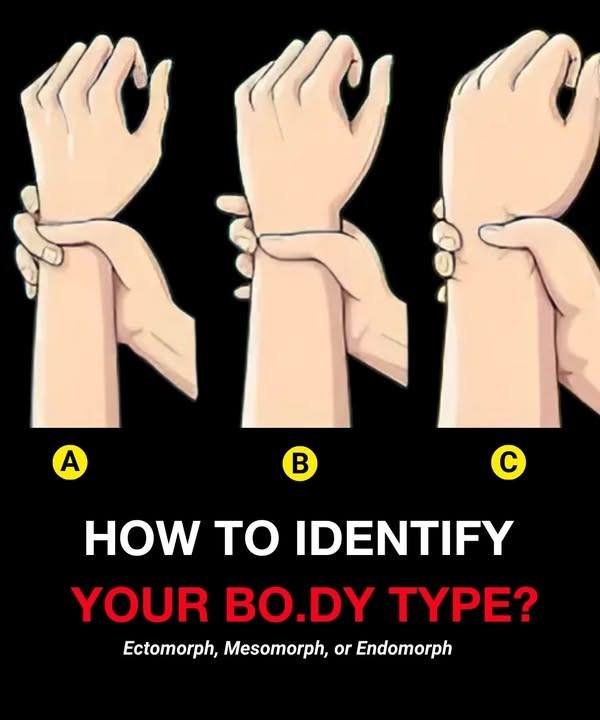
Body Types: Are You E Ectomorph, Mesomorph, or Endomorph?
Understanding your body type can be incredibly helpful for tailoring your fitness routine, diet, and even mental approach to health. In the world of fitness and nutrition, three primary body types—ectomorph, mesomorph, and endomorph—are commonly used to describe how individuals naturally store fat, build muscle, and respond to exercise.
In this article, we’ll dive into each body type, how to identify which one fits you best, and how to optimize your diet and exercise accordingly.
1. Ectomorph: The “Naturally Lean” Body Type
Characteristics of an Ectomorph:
- Thin and lean build with small joints
- Low body fat and difficulty gaining weight
- Narrow shoulders and hips
- Fast metabolism—meaning they burn calories quickly
- Long limbs and a “skinny” appearance
- Difficulty building muscle due to a fast metabolic rate
Ectomorphs typically find it challenging to gain weight or muscle mass, no matter how much they eat or exercise. Their bodies burn calories at a rapid pace, and they may have trouble maintaining muscle despite consistent effort in the gym.
How to Optimize Diet & Exercise for Ectomorphs:
- Diet: Ectomorphs need to focus on caloric surplus to gain muscle or weight. Eating higher-calorie meals with a mix of carbohydrates, protein, and healthy fats is key. Since they often have a fast metabolism, they should eat more frequently throughout the day to maintain energy and muscle mass.
- Recommended foods: Protein-rich foods (chicken, fish, eggs), complex carbohydrates (brown rice, quinoa, oats), and healthy fats (avocados, nuts, olive oil).
- Exercise: For muscle gain, ectomorphs should focus on strength training (lifting heavy weights) and limit excessive cardiovascular activity that may lead to further fat loss. A lower-frequency, higher-intensity weightlifting program will help build muscle effectively.
- Training advice: Focus on compound lifts like squats, deadlifts, and bench presses.
2. Mesomorph: The “Naturally Athletic” Body Type
Characteristics of a Mesomorph:
- Medium build with a naturally athletic physique
- Well-defined muscles and ability to gain muscle mass more easily than other body types
- Broad shoulders and narrow waist, giving an hourglass or “V” shape
- Balanced metabolism—can gain or lose weight fairly easily
- Responds well to both cardio and strength training
Mesomorphs are often seen as the “ideal” body type because they tend to gain muscle mass and lose fat more easily than other types. They have a naturally athletic appearance and can respond to both weight training and cardiovascular exercise.
How to Optimize Diet & Exercise for Mesomorphs:
- Diet: Since mesomorphs tend to have a balanced metabolism, they should focus on eating a well-rounded diet that includes an equal balance of carbohydrates, protein, and healthy fats. They can build muscle while staying lean with the right food choices.
- Recommended foods: A good mix of lean proteins (turkey, lean beef), whole grains (sweet potatoes, quinoa), and healthy fats (nuts, seeds, fish).
- Keep an eye on portion control to avoid excess fat gain, as mesomorphs may find it easier to gain weight.
- Exercise: Mesomorphs should combine both strength training and cardio for optimal results. Strength training can focus on both hypertrophy (muscle-building) and strength, while moderate cardio can help maintain low body fat.
- Training advice: A well-balanced routine with full-body workouts and cardio (e.g., HIIT, running, cycling) is often ideal. Strength training should focus on progressive overload (increasing weight or reps).
3. Endomorph: The “Soft and Round” Body Type
Characteristics of an Endomorph:
- Round or soft body with higher levels of body fat
- Wider hips and broader waist
- Easily gains fat but struggles to lose it
- Large joints and more muscle mass compared to ectomorphs
- Slower metabolism, leading to a tendency to gain weight
- Good at building muscle, but also prone to storing fat
Endomorphs tend to have a larger frame and find it easier to gain weight, especially fat. While they can build muscle relatively easily, they also tend to store fat in areas like the stomach, hips, and thighs. Despite this, endomorphs can achieve a leaner physique with the right diet and exercise regimen.
How to Optimize Diet & Exercise for Endomorphs:
- Diet: Endomorphs should focus on eating a higher-protein, lower-carbohydrate diet to help burn fat while preserving muscle. Managing calorie intake is essential for weight loss or fat loss. Cutting out refined sugars and processed foods can also be beneficial.
- Recommended foods: Lean proteins (chicken, fish), vegetables, complex carbohydrates in moderation (brown rice, quinoa), and healthy fats (olive oil, avocado).
- Calorie control: Since endomorphs have a slower metabolism, they need to be mindful of their calorie intake to avoid gaining excess fat. Eating smaller, more frequent meals can help control hunger and regulate metabolism.
- Exercise: For fat loss, endomorphs should focus on strength training combined with high-intensity interval training (HIIT) or cardio to burn fat. Endomorphs should aim to do both resistance training and aerobic exercise to achieve the best body composition.
- Training advice: A mix of weightlifting (focusing on compound movements) and high-intensity cardio can help with fat loss and muscle toning. A combination of heavy weights and shorter rest periods will help boost metabolism.
Can You Change Your Body Type?
While your genetics will largely determine your natural body type, it is possible to modify how your body looks through consistent effort with diet and exercise. A mesomorph may focus on cutting fat and building muscle, an ectomorph can work on gaining mass through increased caloric intake, and an endomorph can focus on fat loss while preserving muscle through a combination of diet and exercise.
Summary: Identifying Your Body Type and Tailoring Your Approach
- Ectomorph: Lean, fast metabolism, struggles to gain weight or muscle. Focus on high-calorie, protein-rich foods and strength training with minimal cardio.
- Mesomorph: Naturally athletic with balanced metabolism. Can gain muscle easily. Focus on a balanced diet and both cardio and strength training for overall fitness.
- Endomorph: Larger frame with slow metabolism, easily gains fat. Focus on calorie control, high-protein diet, strength training, and cardio to reduce fat.
Recognizing your body type is the first step in optimizing your workout routine and diet for the best results. Remember, no body type is “better” than another, but each one requires a specific approach to achieve fitness goals. By understanding your body’s needs, you can tailor your lifestyle to maximize your health, appearance, and performance.
This should give you a solid foundation for understanding body types and how to adjust your fitness and diet accordingly. Let me know if you’d like additional tips or have specific questions!