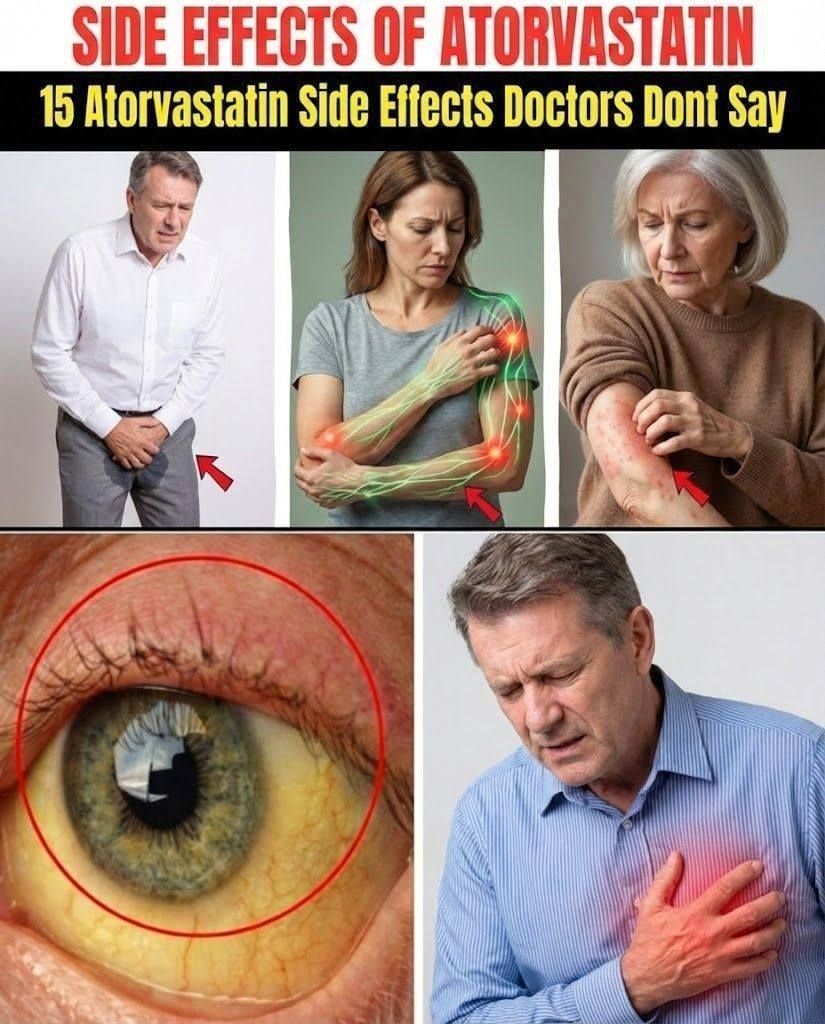
1. Muscle Pain and Weakness (Myopathy)
One of the most common side effects of atorvastatin is muscle pain, tenderness, or weakness. This can be a sign of myopathy, a condition where the muscles become damaged. In rare cases, this can progress to rhabdomyolysis, a severe condition that causes muscle breakdown and can lead to kidney failure.
- Warning Signs: Unexplained muscle pain, tenderness, or weakness, especially in your legs or back.
2. Liver Damage
Atorvastatin can cause liver enzyme levels to rise, which might indicate liver damage. While this is rare, it’s a serious concern. Severe liver damage can lead to jaundice (yellowing of the skin or eyes), dark urine, or upper stomach pain.
- Warning Signs: Unusual fatigue, dark-colored urine, yellowing of the skin or eyes.
3. Cognitive Issues (Memory Problems)
Some individuals report cognitive side effects, such as forgetfulness, confusion, and difficulty concentrating, commonly referred to as “brain fog.” These symptoms tend to resolve once the medication is discontinued.
- Warning Signs: Forgetfulness, confusion, or memory loss.
4. Increased Blood Sugar Levels
Atorvastatin may increase blood sugar levels, potentially leading to type 2 diabetes in people who are already at risk. It is particularly concerning in individuals with prediabetes or metabolic syndrome.
- Warning Signs: Increased thirst, frequent urination, unexplained weight loss.
5. Digestive Problems
Some users experience digestive issues, including nausea, constipation, diarrhea, or abdominal pain. These are usually mild but can be uncomfortable.
- Warning Signs: Nausea, stomach discomfort, or changes in bowel movements.
6. Elevated Creatine Kinase (CK) Levels
Atorvastatin can elevate creatine kinase (CK) levels, which is a protein released when muscle cells are damaged. High CK levels can indicate muscle damage and may lead to kidney problems.
- Warning Signs: Unexplained muscle pain or tenderness.
7. Skin Rashes and Itching
Allergic reactions to atorvastatin can manifest as skin rashes, itching, or hives. In rare cases, these reactions can be severe.
- Warning Signs: Red, itchy skin rash or hives.
8. Kidney Damage
In extreme cases, rhabdomyolysis, which is a severe muscle breakdown caused by atorvastatin, can lead to kidney failure due to the release of muscle proteins into the bloodstream. This can be fatal if left untreated.
- Warning Signs: Dark urine, decreased urination, swelling, or fatigue.
9. Fatigue and Weakness
Many people experience fatigue or an overall sense of weakness while on atorvastatin, which may affect daily activities and quality of life.
- Warning Signs: Feeling unusually tired or weak despite adequate rest.
10. Increased Risk of Bleeding
Atorvastatin may slightly increase the risk of bleeding, especially when taken in combination with other blood thinners like warfarin. This can lead to easy bruising or excessive bleeding.
- Warning Signs: Easy bruising, prolonged bleeding from cuts, or nosebleeds.
11. Difficulty Sleeping (Insomnia)
Some individuals experience trouble sleeping or disturbed sleep patterns when taking atorvastatin. This may be related to muscle pain or discomfort that interferes with rest.
- Warning Signs: Trouble falling or staying asleep.
12. Respiratory Issues (Breathing Problems)
Though rare, atorvastatin can cause respiratory issues such as shortness of breath or difficulty breathing. This could be related to muscle weakness or lung problems.
- Warning Signs: Shortness of breath, wheezing, or chest tightness.
13. Joint Pain and Swelling
While muscle pain is common, some people also experience joint pain and swelling, which may make movement uncomfortable and affect mobility.
- Warning Signs: Joint pain, stiffness, or swelling, especially in the knees, hips, or shoulders.
14. Allergic Reactions
In rare cases, atorvastatin can cause serious allergic reactions, including difficulty breathing, swelling of the throat, or a severe rash. These reactions require immediate medical attention.
- Warning Signs: Swelling of the face, lips, tongue, or throat, difficulty breathing, severe dizziness, or a rash.
15. Heart Issues (Atrial Fibrillation)
There is some evidence suggesting that long-term use of statins like atorvastatin could slightly increase the risk of atrial fibrillation (an irregular heartbeat), which can lead to complications such as stroke or heart failure.
- Warning Signs: Irregular heartbeat, dizziness, fatigue, or shortness of breath.
When Should You Contact Your Doctor?
- If you experience muscle pain or weakness, especially with fever or dark urine, this may be a sign of a serious side effect like rhabdomyolysis. Seek immediate medical attention.
- Liver symptoms (e.g., yellowing skin or eyes, upper abdominal pain) or kidney symptoms (e.g., decreased urination, swelling) should also be reported immediately.
- Cognitive issues, like memory loss or confusion, can be a sign that atorvastatin is affecting your brain function, and it may be time to reassess your treatment plan.
How to Minimize Side Effects:
- Regular Monitoring: Your doctor may schedule periodic blood tests to check liver enzymes, cholesterol levels, kidney function, and other markers to ensure that atorvastatin is not causing harm.
- Lifestyle Adjustments: Complement atorvastatin with a healthy diet, regular exercise, and weight management to reduce cholesterol naturally and improve overall cardiovascular health.
- Stay Hydrated: Proper hydration helps reduce the risk of kidney damage and muscle cramping associated with statin use.
- Discuss Alternatives: If atorvastatin’s side effects are too severe, your doctor may be able to switch you to a different statin or a non-statin alternative for managing cholesterol.
Conclusion
While atorvastatin is highly effective at lowering cholesterol and preventing heart disease, it’s important to be aware of the potential side effects that could impact your health. Many of these side effects are rare and can be managed with careful monitoring and lifestyle changes. However, if you experience any of the warning signs listed above, it’s crucial to contact your doctor as soon as possible to determine the best course of action for your health.
Always follow your doctor’s advice when taking any medication, including atorvastatin, and never stop or adjust the dosage without consulting your healthcare provider.