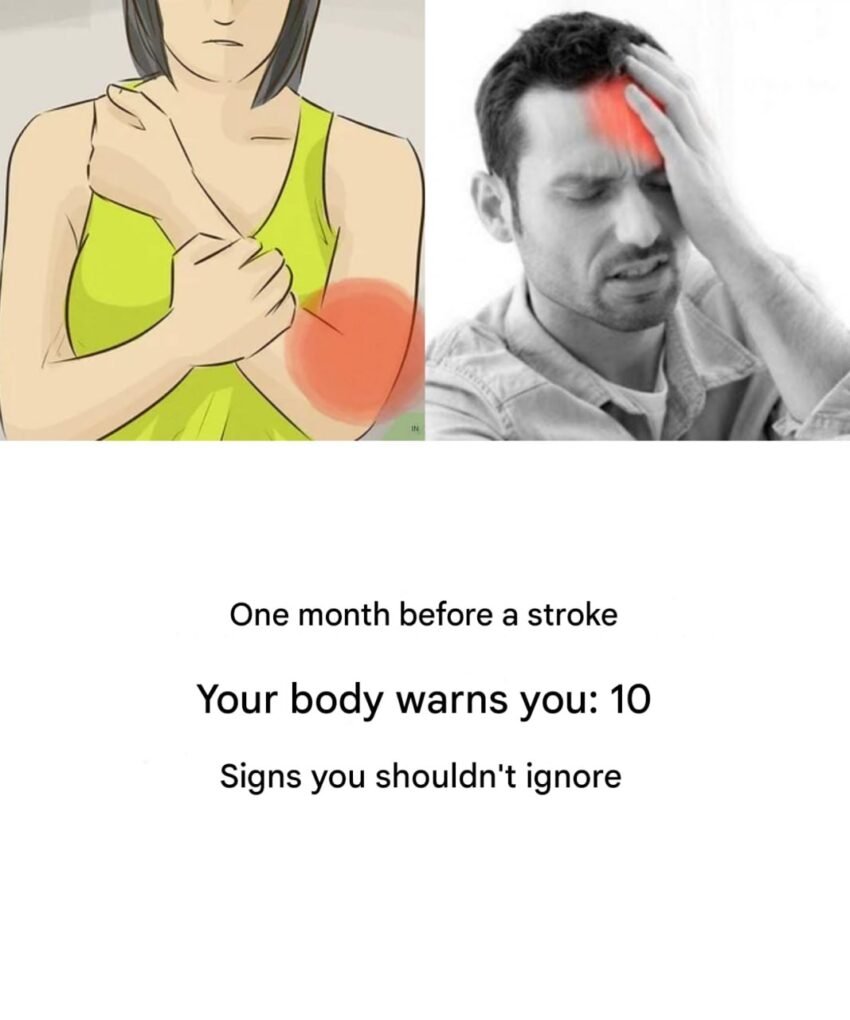
1. Sudden Numbness or Weakness
One of the first signs of a stroke can be a sudden weakness or numbness in the face, arm, or leg, especially if it affects one side of your body. This can happen with or without pain and is a common warning sign that something is wrong with your blood flow.
What to look for:
- Sudden inability to move a part of your body, such as your arm or leg.
- Drooping on one side of the face, which might make it hard to smile or show expression on that side.
2. Difficulty Speaking or Understanding Speech
If you experience sudden difficulty speaking or understanding others, it may be a sign that your brain is not getting enough oxygen. Stroke can affect the part of the brain that controls speech, making it difficult to articulate words or follow conversations.
What to look for:
- Slurred speech or the inability to speak clearly.
- Difficulty understanding simple sentences or finding words to communicate.
3. Sudden Vision Changes
A stroke can impact your vision if it affects the areas of the brain that process sight. This can lead to sudden vision problems in one or both eyes, including blurry vision, double vision, or partial or complete loss of vision.
What to look for:
- Blurred vision in one or both eyes.
- Double vision or a sudden loss of vision in one eye.
4. Severe Headaches
While headaches are common, a sudden, severe headache that is different from any headache you’ve experienced before could be a sign of a stroke, particularly if it’s accompanied by other symptoms like nausea, vomiting, or loss of consciousness.
What to look for:
- A sudden, severe headache with no clear cause.
- A headache that comes on quickly and feels more intense than typical migraines or tension headaches.
5. Dizziness or Loss of Balance
Feeling dizzy or having trouble walking is another red flag for a potential stroke. This may be accompanied by a feeling of instability or difficulty staying balanced when standing or moving.
What to look for:
- Sudden dizziness or vertigo.
- Difficulty walking, unsteady movements, or stumbling.
6. Confusion or Trouble with Memory
A stroke can disrupt cognitive function, leading to confusion, trouble understanding things, or a sudden decline in memory. If someone experiences a sudden shift in how they think, process information, or remember things, it could be a warning sign.
What to look for:
- Sudden confusion about simple tasks, like remembering how to get home or recognizing familiar people.
- Difficulty following conversations or understanding simple instructions.
7. Sudden Fatigue or Lack of Energy
Extreme, unexplained fatigue can be a symptom of an impending stroke. You might feel unusually tired or sluggish, even after getting enough rest. This fatigue can sometimes occur along with other warning signs.
What to look for:
- Feeling abnormally tired or weak.
- Difficulty staying awake or feeling extremely lethargic without a clear reason.
8. Pain in the Neck or Face
Sometimes, a stroke can cause sudden pain or discomfort in the neck, face, or head. This pain may come on suddenly and feel different from any usual aches and pains you’ve had before.
What to look for:
- Sudden, unexplained pain in the neck or face.
- Pain that may come along with numbness or tingling.
9. Tingling or Numbness
Tingling or numbness that comes on suddenly, especially on one side of the body, is another sign of a potential stroke. This can be a result of impaired blood flow to the brain, which causes a sensation of pins and needles, or a lack of sensation in a body part.
What to look for:
- Sudden tingling or loss of sensation in the face, arms, or legs.
- A feeling of “pins and needles” that doesn’t go away after moving or stretching.
10. Difficulty Swallowing
Problems with swallowing can occur if a stroke affects the parts of the brain that control swallowing muscles. If you suddenly have difficulty swallowing food or liquids, or feel like something is stuck in your throat, it might indicate a stroke is impending.
What to look for:
- Trouble swallowing food or liquids.
- Coughing or choking while eating or drinking.
What to Do If You Experience These Symptoms
If you or someone you know experiences any of these warning signs, it is crucial to seek immediate medical attention. Time is brain — the faster you act, the less damage the brain can sustain. The F.A.S.T. method is a helpful way to remember what to do:
- F: Face drooping — Ask the person to smile. Does one side of the face droop?
- A: Arm weakness — Ask the person to raise both arms. Does one arm drift downward?
- S: Speech difficulty — Ask the person to repeat a simple sentence. Is their speech slurred or strange?
- T: Time to call 911 — If any of the above signs are present, call for emergency help immediately.
Conclusion
Recognizing the signs of a potential stroke early can significantly improve the chances of recovery. While the signs listed above can occur before a full stroke, they should never be ignored. If you experience any of these symptoms, don’t wait — contact a healthcare professional or seek emergency care immediately. Early intervention can save lives and prevent long-term damage.