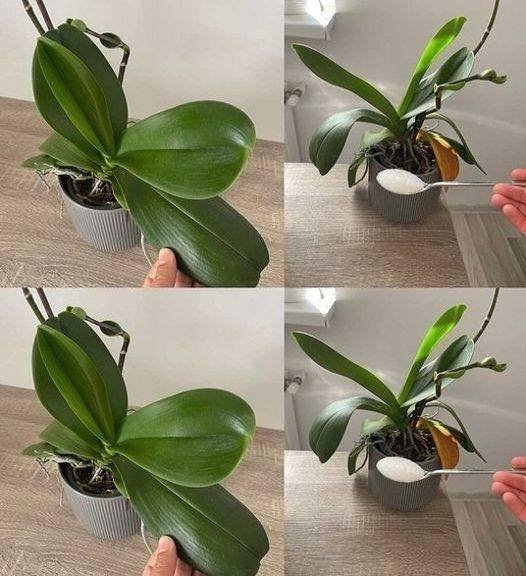
Orchids: How Just 1 Tablespoon Can Make Them Bloom Non-Stop
Orchids are some of the most elegant and rewarding plants to grow, but many enthusiasts struggle to get them to bloom consistently. Surprisingly, with the right fertilizer and technique, you can encourage your orchids to flower repeatedly without stress.
Why Orchids Need Special Fertilizer
Unlike many other houseplants, orchids have unique nutrient requirements. They thrive on a balance of nitrogen (for leaves), phosphorus (for blooms), and potassium (for overall plant health). Using too much fertilizer can harm roots, while too little can prevent flowers from developing. The key is precision and consistency.
The 1 Tablespoon Trick
A powerful method for boosting orchid blooms is to use just 1 tablespoon of a well-balanced orchid fertilizer. Here’s how it works:
- Measure Carefully: One tablespoon is enough for several orchids, depending on the type and size of your pot. Over-fertilizing can burn delicate roots.
- Dilute Properly: Mix the tablespoon of fertilizer in a gallon of water. This ensures your orchids receive nutrients slowly, mimicking their natural rainforest environment.
- Frequency: Apply this solution every 2-3 weeks during the growing season. Reduce fertilization during dormancy to avoid overfeeding.
Step-by-Step Fertilization Process
1. Choose the Right Fertilizer
Select a fertilizer labeled specifically for orchids. Look for a ratio like 20-20-20 or 30-10-10, which provides a balanced mix of nutrients for foliage and blooms.
2. Prepare the Solution
Dissolve 1 tablespoon of fertilizer in 1 gallon of water. Stir well until fully mixed.
3. Water Your Orchids
Use this solution to water your orchids as you normally would. Make sure the roots are moist but not soggy.
4. Monitor Plant Health
Keep an eye on leaves and blooms. Healthy green leaves and vibrant flowers indicate your orchids are thriving. Yellowing leaves or drooping flowers may signal over- or under-fertilization.
Additional Tips for Continuous Blooming
- Light: Orchids need bright, indirect sunlight to flower consistently.
- Humidity: Maintain moderate humidity around 50-70% for optimal growth.
- Temperature: Keep daytime temperatures between 65–75°F (18–24°C) and slightly cooler nights.
- Repotting: Every 1-2 years, repot orchids to refresh their growing medium and avoid root crowding.
By using just 1 tablespoon of fertilizer in the right way, you can encourage your orchids to bloom beautifully and continuously, transforming your home or garden into a colorful paradise.
If you want, I can also create a DIY natural fertilizer version using household ingredients that works just as effectively for orchids. This is great if you prefer organic methods. Do you want me to do that?