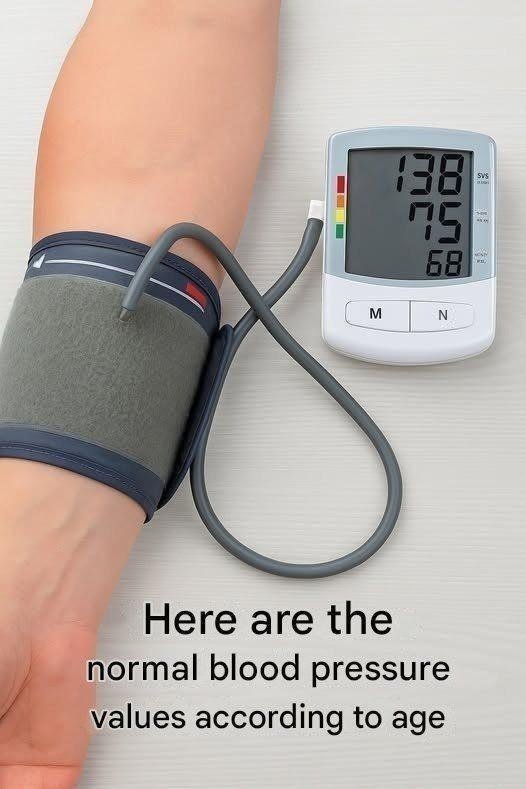
Normal blood pressure values can vary slightly depending on factors such as age, gender, and overall health. However, the general guideline from health organizations like the American Heart Association provides a standard range for normal blood pressure across different age groups. It’s essential to understand that blood pressure readings are measured in millimeters of mercury (mmHg) and include two numbers:
- Systolic (the top number): The pressure in your arteries when your heart beats and pumps blood.
- Diastolic (the bottom number): The pressure in your arteries when your heart rests between beats.
Here’s a guide to normal blood pressure values by age:
1. General Blood Pressure Ranges:
- Normal Blood Pressure: Below 120/80 mmHg
- A systolic reading below 120 and a diastolic reading below 80 is considered normal.
- Elevated Blood Pressure: 120-129/80 mmHg
- This is slightly higher than normal but not yet hypertension.
- Hypertension Stage 1: 130-139/80-89 mmHg
- Stage 1 hypertension can increase the risk of heart disease and stroke.
- Hypertension Stage 2: 140+/90+ mmHg
- This stage often requires medication and lifestyle changes to reduce risk.
- Hypertensive Crisis: 180+/120+ mmHg
- A hypertensive crisis requires immediate medical attention.
Blood Pressure by Age Group:
1. Age 18-29:
- Normal: 120/80 mmHg or lower
- Elevated: 120-129/80 mmHg
- Stage 1 Hypertension: 130-139/80-89 mmHg
- Stage 2 Hypertension: 140+/90+ mmHg
2. Age 30-39:
- Normal: 120/80 mmHg or lower
- Elevated: 120-129/80 mmHg
- Stage 1 Hypertension: 130-139/80-89 mmHg
- Stage 2 Hypertension: 140+/90+ mmHg
3. Age 40-49:
- Normal: 120/80 mmHg or lower
- Elevated: 120-129/80 mmHg
- Stage 1 Hypertension: 130-139/80-89 mmHg
- Stage 2 Hypertension: 140+/90+ mmHg
4. Age 50-59:
- Normal: 120/80 mmHg or lower
- Elevated: 120-129/80 mmHg
- Stage 1 Hypertension: 130-139/80-89 mmHg
- Stage 2 Hypertension: 140+/90+ mmHg
5. Age 60 and Above:
- Normal: 120/80 mmHg or lower
- Elevated: 120-129/80 mmHg
- Stage 1 Hypertension: 130-139/80-89 mmHg
- Stage 2 Hypertension: 140+/90+ mmHg
Factors Affecting Blood Pressure:
- Age: Blood pressure tends to increase with age due to increased stiffness in the arteries and changes in heart function.
- Gender: Before the age of 55, men tend to have higher blood pressure than women. After 55, women may experience a higher rate of hypertension.
- Health conditions: Conditions like diabetes, obesity, and stress can affect your blood pressure.
- Lifestyle: Diet, exercise, smoking, and alcohol use all impact blood pressure.
Why Is Blood Pressure Important?
Maintaining normal blood pressure is essential for heart health. High blood pressure (hypertension) increases the risk of serious health problems, including heart disease, stroke, kidney damage, and vision loss. Keeping blood pressure in the normal range can reduce the risk of these complications.
How to Maintain Healthy Blood Pressure:
- Exercise regularly: Aim for at least 150 minutes of moderate-intensity exercise each week.
- Eat a balanced diet: Focus on a diet rich in fruits, vegetables, whole grains, and lean proteins.
- Reduce salt intake: Excess salt can raise blood pressure.
- Limit alcohol and avoid smoking: Both can contribute to increased blood pressure.
- Manage stress: Practice relaxation techniques such as deep breathing, meditation, or yoga.
Conclusion:
While 120/80 mmHg is often considered the ideal reading, normal blood pressure values can slightly vary depending on age. As we age, it’s important to regularly monitor blood pressure to catch any changes early. If your blood pressure falls outside of the normal range, make sure to talk to your healthcare provider for guidance and potential treatment options.