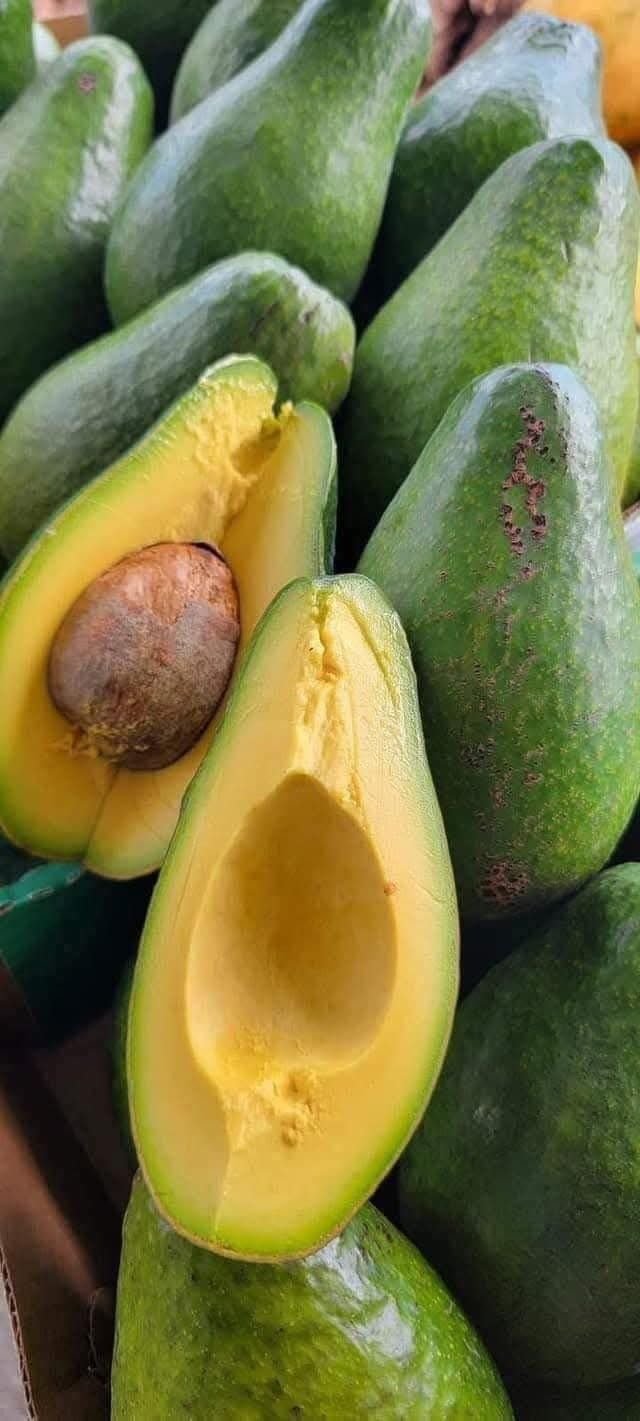
Here’s what doctors and nutrition science actually say.
What avocado consumption actually does
An avocado is a nutrient-dense food that contains:
- Healthy monounsaturated fats
- Fiber
- Potassium
- Vitamins (K, E, C, B6)
It is widely considered part of a heart-healthy diet.
What it does NOT cause
Despite viral claims, avocados do not:
- Cause disease in healthy people
- “Detox the body” (a common myth)
- Automatically cause weight gain
- Damage the liver or kidneys
Where confusion comes from
These headlines usually twist a few real concepts:
1. High calorie content
Avocados are calorie-dense due to healthy fats.
- 1 avocado = roughly 200–300 calories
- Overeating any food can contribute to weight gain
But this is about total calorie intake, not a unique “avocado effect.”
2. Potassium content
Avocados are high in potassium, similar to bananas.
Excess potassium can be an issue only in a condition called hyperkalemia, which typically occurs in:
- Advanced kidney disease
- Specific medical conditions
- Certain medications
Not in healthy individuals eating normal amounts.
What research actually shows
Studies consistently link avocados with:
- Improved cholesterol levels
- Better heart health markers
- Increased satiety (feeling full)
- Improved diet quality
They are often recommended in Mediterranean-style eating patterns.
Who should be mindful
Only a few groups may need to monitor intake:
- People with severe kidney disease (potassium restriction)
- Those on very calorie-restricted diets
- Individuals with specific medical dietary plans
For everyone else, they are generally beneficial.
Why these headlines exist
They are designed to:
- Start with authority (“Doctors reveal…”)
- Cut off the actual conclusion
- Create fear around healthy foods
- Generate clicks rather than inform
Conclusion
There is no evidence that avocado consumption “causes” any hidden health danger in the general population. For most people, an avocado is a nutritious, heart-healthy food that supports overall well-being when eaten in reasonable amounts.
If you want, I can break down which “superfood” claims online are real vs exaggerated—there are a lot of myths floating around.