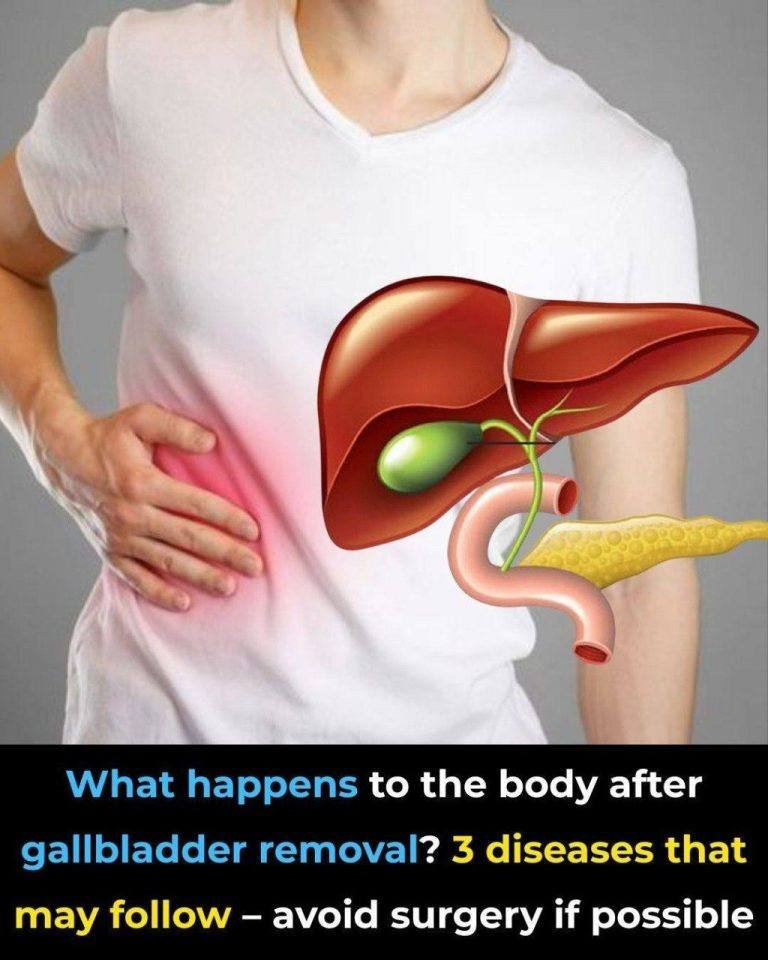
What Happens to the Body After Gallbladder Removal? Separating Fact from Fear
Headlines like “3 diseases may follow—avoid surgery if possible” are misleading. Gallbladder removal is a common, well-studied procedure, and for most people it improves symptoms rather than causes new diseases.The operation is called cholecystectomy, usually done because of gallstones or inflammation.
What the Gallbladder Actually Does
The gallbladder stores bile produced by the liver and releases it when you eat fatty foods.
After removal:
- Bile still flows from the liver
- It drips continuously into the intestine instead of being stored
- Digestion continues normally, but may adjust over time
What Happens Immediately After Surgery
Most people experience temporary changes such as:
1. Digestive adjustment
- Loose stools in some cases
- Sensitivity to fatty meals
- Bloating or gas
2. Gradual adaptation
- The body learns to regulate bile flow
- Symptoms usually improve within weeks to months
3. Normal long-term function
Most people return to a normal diet without restrictions.
“3 Diseases That May Follow” — What Evidence Actually Shows
Some articles suggest gallbladder removal causes new diseases. This is not supported in a simple cause-and-effect way.
Here’s what research actually indicates:
1. Post-cholecystectomy symptoms
Some people develop ongoing digestive discomfort, such as:
- Diarrhea
- Bile acid irritation
This is not a new disease, but a change in bile flow regulation.
2. Bile reflux or gastritis (rare)
In a small number of cases:
- Bile can irritate the stomach or esophagus
- Symptoms resemble reflux
This is uncommon and treatable.
3. Metabolic or digestive changes (weak associations only)
Some studies explore links with:
- Changes in cholesterol metabolism
- Gut microbiome shifts
However, these are associations, not proven disease outcomes.
What Surgery Actually Prevents
Avoiding needed gallbladder surgery can be more dangerous than the operation itself. Untreated gallstones or inflammation can lead to:
- Severe infection (cholecystitis)
- Blocked bile ducts
- Pancreatitis (inflammation of the pancreas)
- Recurrent emergency pain episodes
Who May Have More Post-Surgery Symptoms
A small group may notice more digestive sensitivity, especially if they:
- Eat high-fat diets
- Already have irritable bowel tendencies
- Had severe gallbladder disease before surgery
These symptoms are usually manageable with diet adjustments.
Long-Term Outlook
For most people:
- Life returns to normal after recovery
- No special long-term diet is required
- Pain and gallstone attacks are eliminated
- Quality of life improves
What Actually Helps After Surgery
- Gradually reintroduce fatty foods
- Eat smaller, more frequent meals initially
- Stay hydrated
- Increase fiber intake if diarrhea occurs
- Follow medical advice during recovery
Conclusion
Gallbladder removal does not typically “cause diseases.” Instead, it changes how bile flows in the digestive system, which may lead to temporary or mild long-term adjustments in some people.
For most patients, the benefits of surgery far outweigh the risks, especially when it is medically recommended.
If symptoms persist after surgery, they are usually manageable and not signs of new serious disease.