Here’s a clear, evidence-based explanation.
What Happens After Gallbladder Removal?
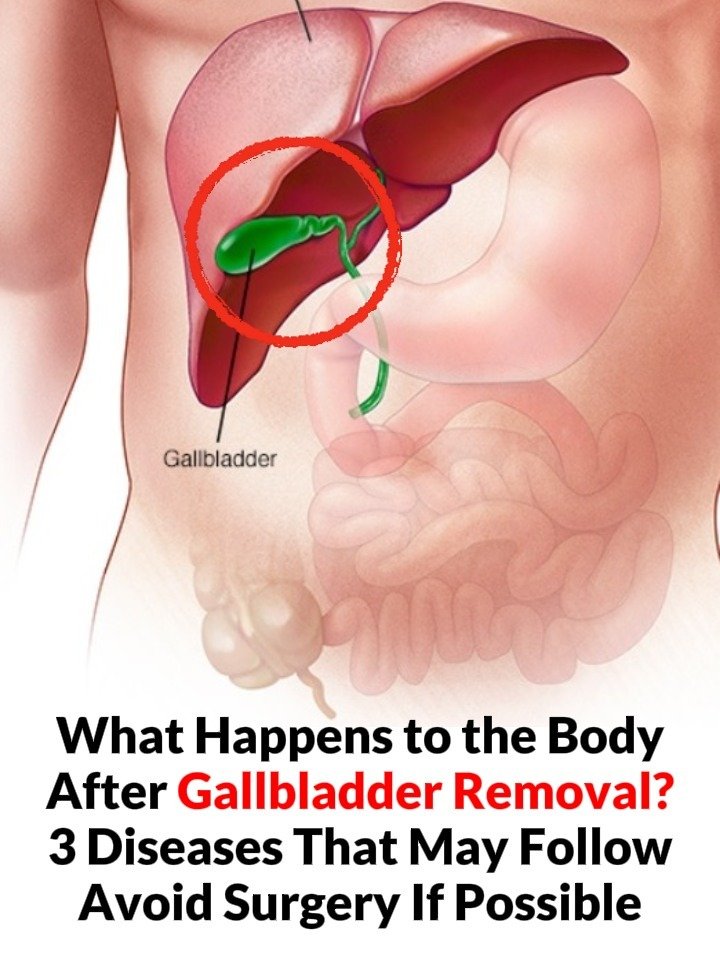
The gallbladder is a small organ that stores bile, which helps digest fats. When it is removed (a procedure called cholecystectomy), bile flows directly from the liver into the small intestine.
This means:
- Digestion still works
- Most people live completely normal lives
- The body adapts over time
Why Surgery Is Performed
Gallbladder removal is usually recommended for conditions such as:
- Gallstones causing pain or blockage
- Inflammation of the gallbladder (cholecystitis)
- Recurrent bile duct issues
In most cases, surgery is not optional—it prevents complications like infection or severe pain.
Possible Changes After Surgery
Some people experience digestive changes, especially in the early months:
1. Digestive sensitivity
- Fatty meals may cause discomfort or loose stools
- Bile flows continuously instead of being stored and released
2. Bowel habit changes
- Mild diarrhea or urgency in some individuals
- Usually improves over time
3. Bloating or gas
- Temporary adjustment period as digestion adapts
Most symptoms are mild and improve within weeks to months.
“3 Diseases That May Follow” – What the Evidence Says
Some articles claim gallbladder removal causes specific diseases. This is generally overstated.
Research has explored possible associations with conditions such as:
- Changes in bile acid metabolism
- Slightly increased risk of digestive symptoms in some people
- Rare bile reflux-related issues
However:
- There is no strong evidence that gallbladder removal directly “causes” new diseases
- It is often unclear whether symptoms are due to the original gallbladder disease or the surgery itself
Long-Term Outlook
For the vast majority of people:
- Digestion returns to normal
- No special diet is required long-term
- Quality of life improves because pain and gallstone attacks are gone
A small minority may need dietary adjustments (for example, reducing very fatty meals).
When Surgery Should Not Be Avoided
Avoiding necessary gallbladder surgery can be risky if there are:
- Recurrent gallstone attacks
- Infection or inflammation
- Blocked bile ducts
Untreated gallbladder disease can lead to serious complications, including infection spreading or pancreas inflammation.
Conclusion
Gallbladder removal does not typically lead to new diseases. It is a common, generally safe procedure that resolves existing gallbladder problems. Some people experience temporary digestive changes, but long-term outcomes are usually very good.
The idea that surgery should be avoided “if possible” is misleading—decisions should be based on medical need, not fear-based headlines.