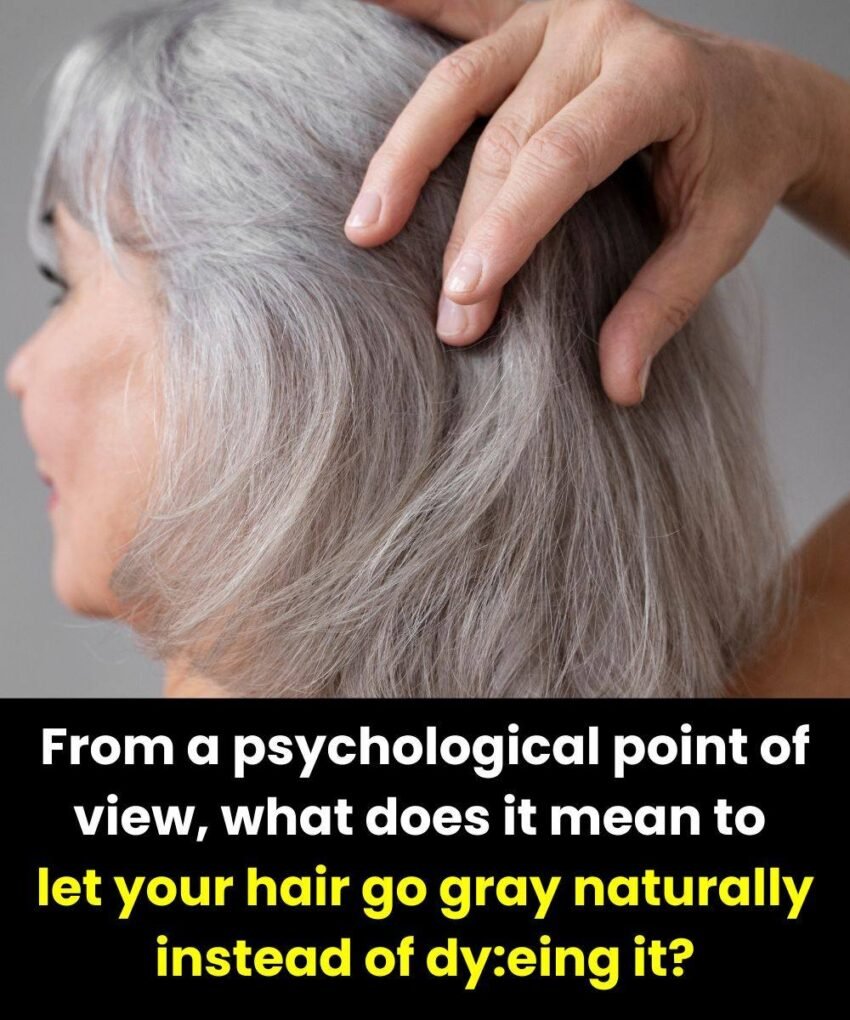
Why People Who Go Gray Can Sometimes Make Others Uncomfortable
First, the uncomfortable reaction people sometimes have to gray hair says more about social expectations and bias around aging than about the person who chooses to go gray.There is nothing inherently “unsettling” about gray hair. But it can trigger reactions because of how strongly societies link appearance to youth, status, and identity.
1. Cultural bias against aging
In many cultures, youth is associated with:
- Energy
- Attractiveness
- Productivity
- Social value
Gray hair, by contrast, is often (incorrectly) associated with:
- Aging
- Decline
- Reduced relevance
This is a form of age bias, and it can make some people unconsciously react with discomfort—not because gray hair is negative, but because it signals aging.
2. It challenges expectations about “looking put together”
Some people expect adults to:
- Cover gray hair
- Maintain a youthful appearance
- Follow grooming norms tied to their profession or social group
When someone embraces natural gray, it can disrupt those expectations and create a moment of cognitive friction.
This is especially noticeable in workplaces or formal environments where appearance norms are more rigid.
3. It can highlight other people’s feelings about aging
Seeing someone confidently go gray can trigger reflection in others about:
- Their own aging process
- Fear of becoming older
- Pressure to maintain youth
That internal discomfort can sometimes be misdirected outward as awkwardness.
4. Media and beauty standards influence perception
For decades, advertising and media have emphasized:
- Hair dye as “normal maintenance”
- Youthful appearance as ideal
- Gray hair as something to “fix”
These repeated messages shape subconscious expectations, even if people don’t consciously agree with them.
5. Confidence changes how gray hair is perceived
Interestingly, the same gray hair can be perceived very differently depending on presentation:
- Well-groomed gray hair is often seen as distinguished or elegant
- Unkempt hair may be unfairly judged more harshly regardless of color
This shows that the reaction is not really about gray hair itself, but about broader social cues.
6. The positive shift is growing
Attitudes are changing:
- More people are choosing to stop dyeing their hair
- Gray hair is increasingly seen in fashion and media
- The stigma is weaker in many younger generations
Gray hair is becoming more associated with authenticity and confidence rather than decline.
Bottom line
People who go gray do not inherently make others uncomfortable. Any discomfort usually comes from social conditioning, beauty standards, and assumptions about aging, not from the hair itself.
If anything, embracing natural gray often reflects confidence and self-acceptance—and those qualities are widely respected, even if they challenge old expectations.