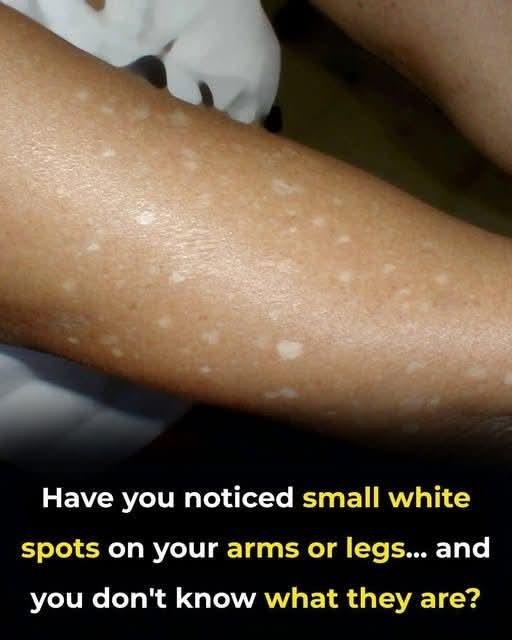
Small White Spots on Arms and Legs: What You Need to Know
Small white spots on the skin are a common concern, especially on the arms and legs. In many cases, they are harmless and related to aging or sun exposure. However, they can sometimes indicate underlying skin conditions that may need attention.
This guide explains the most common causes, how to tell them apart, and when to seek medical advice.
Common Causes of White Spots
Idiopathic Guttate Hypomelanosis (IGH)
Idiopathic Guttate Hypomelanosis is one of the most frequent causes of small white spots in adults over 40.
Key features:
- Small, round or oval white spots
- Typically appear on arms and legs
- More noticeable in people with sun exposure history
- No itching or pain
Cause:
Believed to be related to aging and long-term sun damage that reduces pigment in certain areas.
Vitiligo
Vitiligo is a condition where the immune system attacks pigment-producing cells.
Key features:
- Larger, well-defined white patches
- May spread over time
- Can affect face, hands, elbows, and knees
- Sometimes associated with other autoimmune conditions
Important note:
Vitiligo is not dangerous but can have cosmetic and psychological impact.
Tinea Versicolor
Tinea Versicolor is caused by yeast that naturally lives on the skin.
Key features:
- White, pink, or light brown patches
- Mild scaling or flaking
- May itch slightly
- More visible after sun exposure
Cause:
Overgrowth of yeast disrupts normal skin pigmentation.
Post-Inflammatory Hypopigmentation
Post-Inflammatory Hypopigmentation occurs after the skin heals from injury or irritation.
Key features:
- Lighter patches where a rash, burn, or irritation occurred
- Temporary in most cases
- Gradual return of normal color over time
Nutritional Deficiencies (Less Common)
Deficiencies in nutrients like vitamin B12 or certain minerals can occasionally contribute to skin color changes, though this is less typical than the causes above.
When Should You Be Concerned?
You should consider seeing a doctor or dermatologist if:
- Spots are spreading quickly
- They change shape or size
- There is itching, scaling, or discomfort
- You are unsure of the cause
- The condition affects your confidence or quality of life
Diagnosis and Treatment
A healthcare professional may:
- Examine the skin visually
- Use a special lamp (Wood’s lamp)
- Perform a skin scraping (for fungal causes)
Treatment depends on the cause:
- Antifungal creams for fungal infections
- Topical medications for vitiligo
- No treatment needed for harmless age-related spots
- Sun protection to prevent contrast from worsening
Prevention and Skin Care Tips
- Use sunscreen regularly to reduce contrast and prevent new spots
- Avoid excessive sun exposure
- Keep skin moisturized
- Treat skin infections early
Conclusion
Small white spots on the arms and legs are usually harmless, especially when caused by aging or sun exposure. However, conditions like vitiligo or fungal infections may require medical attention. Paying attention to changes and getting a proper diagnosis ensures the right approach to treatment and peace of mind.
If you want, you can describe what the spots look like (size, texture, itching, duration), and I can help you narrow down the most likely cause.