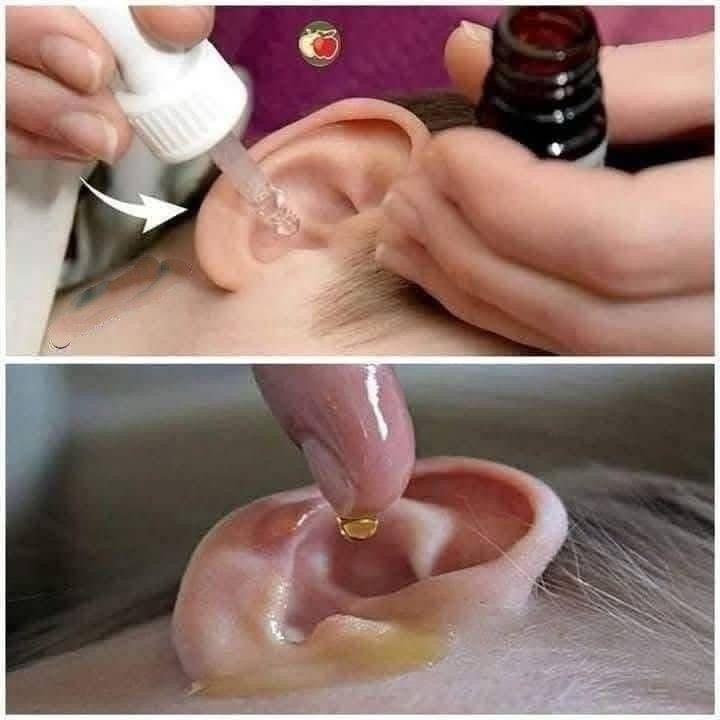
“Putting two drops in your ear to regain hearing” is a common social media myth. Hearing loss has many different causes, and most of them cannot be fixed with a generic liquid drop remedy.
👂 Why hearing loss happens
Hearing loss
Common causes include:
- Earwax buildup blocking the ear canal
- Middle ear infection or fluid
- Damage to the inner ear (age-related or noise exposure)
- Ruptured eardrum
- Nerve-related hearing loss
Each cause requires a different treatment approach, not a universal drop.
🚫 Why “two drops” remedies are unsafe
These viral remedies often:
- Contain unknown oils, acids, or herbal mixtures
- May irritate or burn the ear canal
- Can worsen infections
- May damage the eardrum if used incorrectly
The ear is a very sensitive and closed system, and improper substances can make hearing worse.
🧪 When ear drops actually help
Medical ear drops are useful only for specific conditions, such as:
1. Earwax removal drops
Carbamide peroxide
- Helps soften and remove earwax safely
- Used under correct instructions
2. Antibiotic ear drops
Ofloxacin ear drops
- Used for certain ear infections
- Only effective when prescribed
⚠️ Important warning signs
Seek medical care if you have:
- Sudden hearing loss
- Ear pain or discharge
- Ringing in the ears
- Dizziness or balance problems
- Hearing loss in one ear
Sudden hearing loss can sometimes be an emergency condition where early treatment matters.
🧠 Simple truth
- Ear drops are not a universal hearing restoration cure
- Hearing loss has multiple causes, many unrelated to earwax or surface blockage
- Proper diagnosis is essential before any treatment
🧠 Key takeaway
If a claim sounds like “one simple drop fixes hearing,” it is almost always oversimplified or false. Real hearing treatment depends entirely on the underlying cause and should be guided by a healthcare professional.
If you want, I can explain:
- Safe home methods for earwax removal
- Early signs of hearing loss by age
- Or how hearing tests work and what results mean