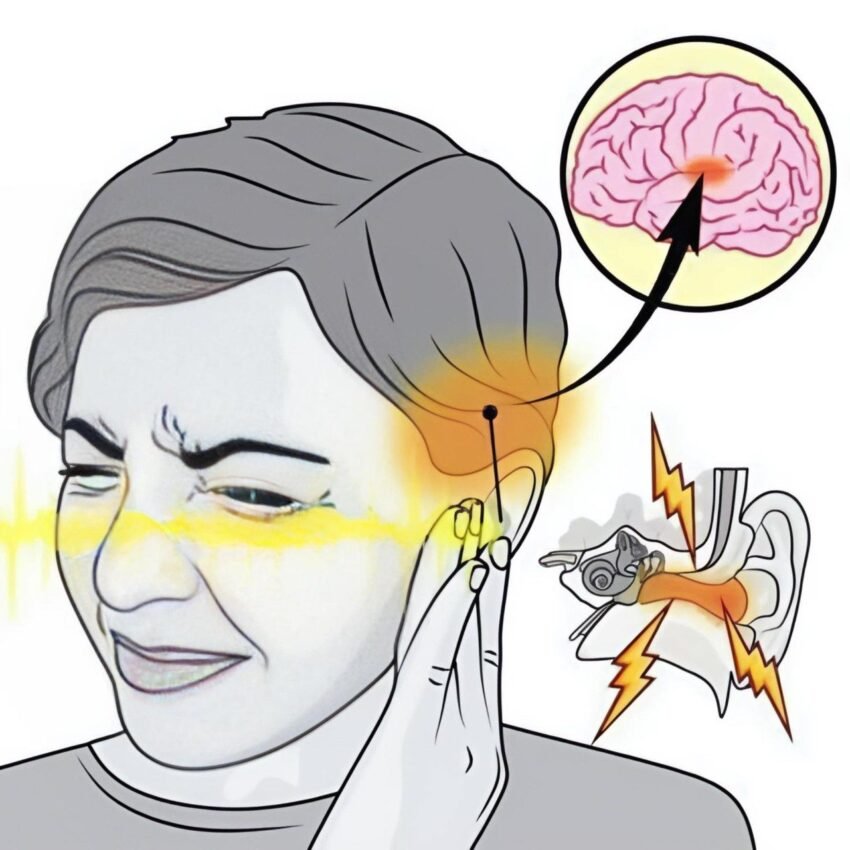
Here are some common causes and conditions related to tinnitus:
1. Hearing Loss
Tinnitus often accompanies hearing loss, especially in older adults. It can be a symptom of age-related hearing loss (presbycusis) or damage to the ear due to prolonged exposure to loud noises (noise-induced hearing loss).
- Why it happens: The inner ear’s sensory cells (hair cells) can be damaged, leading to miscommunication between the ear and the brain, which results in a ringing or buzzing sound.
2. Ear Infections
Infections of the middle or inner ear can lead to temporary tinnitus. This might be accompanied by other symptoms such as pain, fluid drainage, or fever.
- What to do: See a doctor for antibiotics or antifungal treatment, depending on the cause.
3. Earwax Buildup
Excess earwax can block the ear canal, affecting hearing and causing a sensation of fullness or ringing.
- Treatment: Earwax can often be safely removed by a healthcare provider, or using over-the-counter drops.
4. High Blood Pressure (Hypertension)
Uncontrolled high blood pressure can contribute to tinnitus, particularly if it’s associated with vascular changes in the inner ear.
- Managing it: Regular blood pressure monitoring and medications prescribed by your doctor can help keep hypertension under control.
5. Medications (Ototoxic Drugs)
Some medications are known to cause tinnitus as a side effect. These include certain antibiotics, diuretics, and cancer treatments (e.g., cisplatin), as well as high doses of aspirin.
- What to do: If you suspect your medication is the cause, consult your doctor. Do not stop taking prescribed medications without medical advice.
6. Temporomandibular Joint Disorder (TMJ)
TMJ is a condition where the jaw joint causes discomfort, and it can lead to tinnitus as well. This might be due to jaw clenching, misalignment, or other factors.
- Management: A dentist or physical therapist can help treat TMJ through exercises, mouthguards, or other therapies.
7. Meniere’s Disease
This is a disorder of the inner ear that can cause severe episodes of vertigo, hearing loss, and tinnitus. It’s typically linked to fluid buildup in the inner ear.
- Treatment: Your doctor might recommend diuretics, low-salt diets, or other treatments to manage Meniere’s disease.
8. Stress and Anxiety
Stress, anxiety, and depression can worsen tinnitus or even contribute to its onset. The relationship between mental health and tinnitus is complex, but emotional strain can increase the perception of ringing in the ears.
- What to do: Managing stress through mindfulness, therapy, or relaxation techniques can help alleviate symptoms.
9. Vascular Conditions
Conditions such as atherosclerosis (narrowing of blood vessels), aneurysms, or arteriovenous malformations can affect blood flow to the ears and cause tinnitus.
- What to do: Regular checkups with your healthcare provider to monitor cardiovascular health are essential if you have vascular conditions.
When Should You See a Doctor?
While tinnitus is common and often harmless, it’s important to seek medical advice if:
- The tinnitus suddenly becomes severe or doesn’t go away.
- You experience hearing loss, dizziness, or other symptoms alongside the ringing.
- You are taking medications that might be contributing to the tinnitus.
A healthcare provider can help diagnose the underlying cause and recommend appropriate treatments or therapies to manage the condition.
In some cases, tinnitus is temporary and will resolve on its own, but for others, it might require ongoing management. If you’ve recently noticed ringing in your ears, it’s a good idea to get it checked out, especially if it’s persistent or affecting your quality of life.