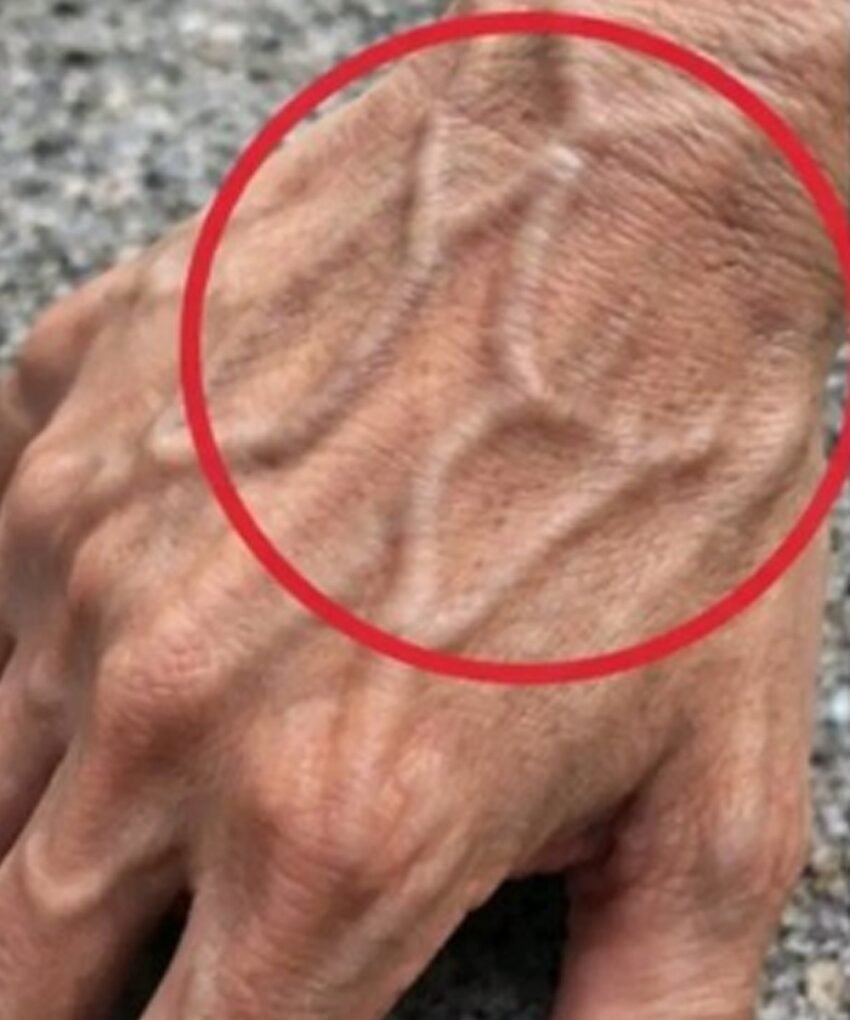
That phrase is another classic clickbait hook. “Visible veins mean you are…” is usually followed by exaggerated claims about health, fitness, or even disease—but the reality is much simpler.
What Visible Veins Actually Mean
Visible veins are usually just a normal variation in how blood vessels show through the skin. They are influenced by body composition, skin tone, and circulation—not a hidden personality trait or guaranteed health problem.
Common Reasons Veins Look More Visible
1. Low body fat
If there’s less fat under the skin, veins naturally become more noticeable—especially on arms and hands.
This is common in:
- Athletes
- Lean individuals
- People who have recently lost weight
2. Exercise and muscle pump
After physical activity, blood flow increases and veins expand temporarily.
This is known as a “pump” effect and is completely normal.
3. Genetics
Some people naturally have more visible veins due to:
- Thinner skin
- Vein placement
- Genetic traits
4. Heat or warm temperatures
Heat causes blood vessels to widen, making veins more prominent.
5. Aging
As skin becomes thinner with age, veins may appear more visible.
When Visible Veins Might Need Attention
Most of the time, visible veins are harmless. However, you should be cautious if you notice:
- Pain, swelling, or heaviness in the legs
- Bulging, twisted veins that worsen over time
- Skin discoloration around veins
These may be signs of conditions like Varicose veins or Chronic venous insufficiency.
What Visible Veins DO NOT Mean
Despite viral claims, visible veins do NOT mean you are:
- Unhealthy by default
- “Toxic” or “full of waste”
- Extremely fit in all cases
- At immediate risk of disease
It depends on context, symptoms, and overall health.
Bottom Line
Visible veins are usually just a normal physical trait influenced by body fat, genetics, activity level, and temperature. They are not a diagnosis or a hidden health message.
If veins are painful, swollen, or changing over time, that’s when medical evaluation is important.