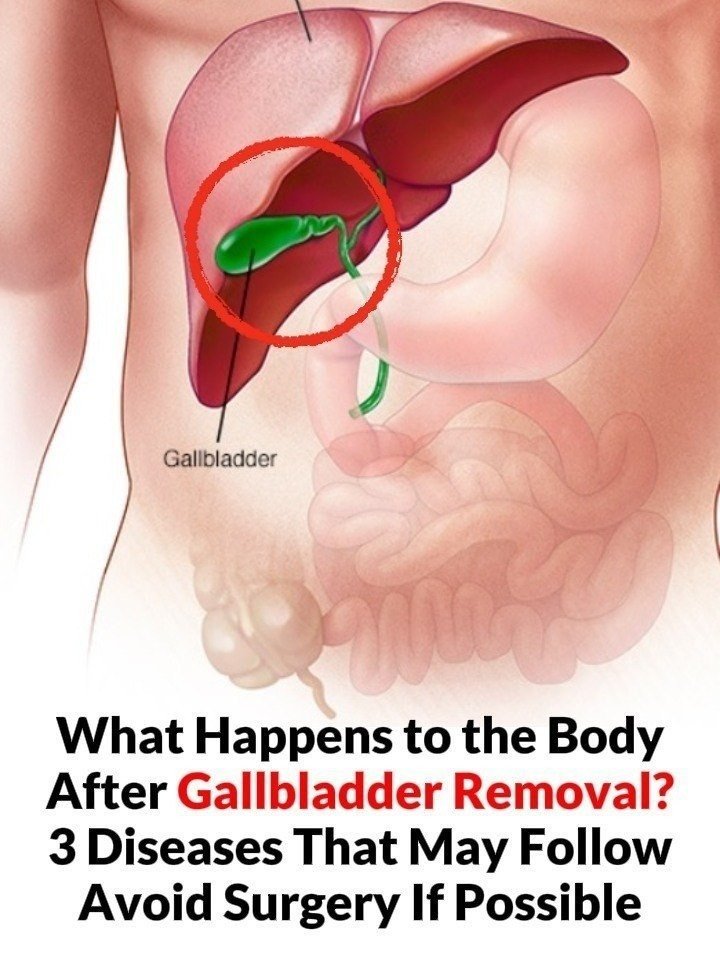
After Gallbladder Removal: 3 Conditions You Could Develop (What Is Real vs Exaggerated)
Gallbladder removal (cholecystectomy) is a very common and generally safe procedure used to treat gallstones, inflammation, or blockage of bile flow. Most people recover well and live normal lives afterward.However, some patients may experience digestive changes or related symptoms after surgery. Viral posts often frame these as “new diseases,” but in reality they are usually manageable digestive side effects or syndromes, not inevitable or severe conditions.
1. Post-Cholecystectomy Diarrhea
What it is
Some people develop frequent or loose stools after gallbladder removal.
Why it happens
Without a gallbladder, bile flows continuously into the intestines instead of being stored and released in controlled amounts. In some people, this excess bile can irritate the colon.
Symptoms
- Loose or urgent bowel movements
- Increased frequency of stools
- Symptoms often worse after fatty meals
Outlook
- Often improves over time
- Can be managed with dietary changes or medication if needed
2. Bile Reflux or Indigestion Symptoms
What it is
A small number of patients may experience bile moving into the stomach, causing irritation.
Symptoms
- Burning sensation in upper abdomen
- Nausea or discomfort after eating
- Bitter taste in mouth
Why it happens
Changes in bile flow after surgery can sometimes affect normal digestive direction and stomach emptying.
Outlook
- Not common
- Often manageable with dietary adjustments or medical treatment
3. Post-Cholecystectomy Syndrome (PCS)
What it is
A general term used when digestive symptoms persist after gallbladder removal.
Symptoms may include
- Abdominal pain
- Bloating or gas
- Indigestion
- Nausea
Important clarification
This is not a single disease, but a collection of symptoms that may have different causes, such as:
- Bile flow changes
- Pre-existing digestive conditions
- Sphincter of Oddi dysfunction (in some cases)
Outlook
- Requires evaluation if persistent
- Often treatable once the exact cause is identified
What these posts usually leave out
Viral content often ignores important facts:
- Most people do not develop serious long-term conditions
- Gallbladder removal is performed because untreated gallbladder disease can cause:
- Severe infection
- Pancreatitis
- Emergency complications
- Many post-surgery symptoms are temporary and improve over time
Key takeaway
The “three conditions” commonly listed online are not new diseases caused by surgery in most cases. They are usually:
- Temporary digestive adjustments
- Mild to moderate symptoms in a minority of patients
- Manageable with diet or medical care
For most people, gallbladder removal significantly improves quality of life and prevents far more serious complications than it causes.
If you want, I can also explain:
- What to eat after gallbladder removal (first week vs long term)
- How to prevent diarrhea after surgery
- Or warning signs that indicate a complication needs medical attention