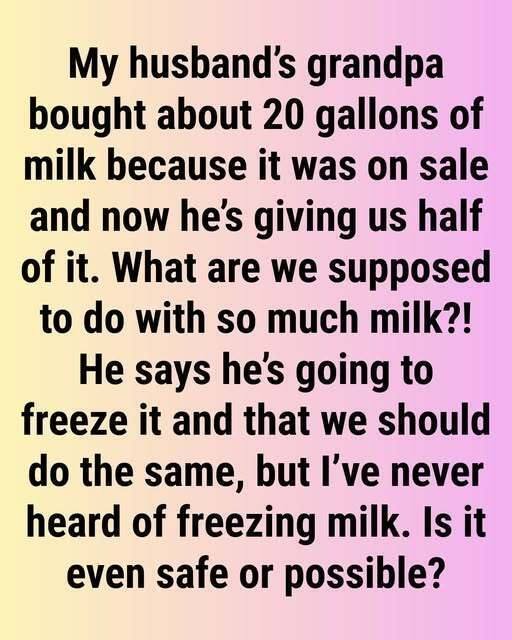
Freezing Milk: Safety, Method, and What to Do With Large Quantities
If you suddenly end up with a large amount of milk—such as several gallons—freezing it is a practical and safe way to prevent waste. Milk freezes well, although its texture may change slightly after thawing. This guide explains whether freezing milk is safe, how to do it correctly, and how to use it afterward.
Is It Safe to Freeze Milk?
Yes, freezing milk is safe. The freezing process does not make milk harmful or unsafe to consume. It simply pauses bacterial growth and slows spoilage.
However, the quality can change after thawing. The fat and liquid may separate, and the texture may become slightly grainy or watery. These changes do not affect safety, but they may affect how pleasant the milk is to drink directly.
Frozen milk is best used for cooking and baking rather than drinking straight.
What Happens When Milk Is Frozen
When milk freezes, the water content turns into ice crystals. This can cause:
- Separation of fat and liquid
- Slight grainy texture after thawing
- Possible change in appearance (yellowish or uneven color)
- Expansion in volume due to ice formation
These changes are normal and reversible to some extent with proper mixing after thawing.
How to Freeze Milk Properly
Proper storage is important to maintain quality and prevent container damage.
Step 1: Leave Expansion Space
Milk expands when frozen. Always remove about one to two inches of milk from the container before freezing to prevent cracking or bursting.
Step 2: Choose the Right Container
Use one of the following:
- Original plastic milk jug (if freezer-safe)
- Freezer-safe plastic containers
- Heavy-duty freezer bags (recommended for space efficiency)
Avoid glass containers, as they may break during freezing.
Step 3: Seal and Label
Ensure the container is tightly sealed to prevent freezer burn and odor absorption. Label it with the freezing date for tracking.
Step 4: Freeze Flat When Possible
If using freezer bags, lay them flat in the freezer. This saves space and allows faster thawing.
How Long Frozen Milk Lasts
For best quality, frozen milk should be used within one to three months. It may remain safe longer, but taste and texture can decline over time.
How to Thaw Frozen Milk
Proper thawing is important for maintaining quality and safety.
Recommended Method
- Place the frozen milk in the refrigerator
- Allow it to thaw slowly for 24 to 48 hours
After Thawing
- Shake or stir thoroughly to recombine separated components
- Check smell and appearance before use
- Do not refreeze once thawed
Best Uses for Thawed Milk
Thawed milk is usually better suited for cooking and baking rather than drinking plain.
Common uses include:
- Pancakes and waffles
- Cakes, muffins, and baked goods
- Creamy soups and sauces
- Macaroni and cheese
- Hot beverages such as coffee or tea (after mixing well)
What to Do With Large Quantities of Milk
If you have many gallons, freezing alone may not be the most efficient solution. Consider combining multiple strategies:
Cooking and Baking
Use milk in large-batch recipes such as pancakes, custards, or soups that can also be frozen in portions.
Portion Freezing
Instead of freezing whole gallons, divide milk into smaller containers (one to two cups each). This makes thawing easier and reduces waste.
Sharing
Extra milk can often be shared with neighbors, friends, or family to prevent overstocking.
Dairy Transformation
Milk can also be converted into longer-lasting foods such as yogurt or fresh cheese, which reduces storage pressure.
Safety Notes
- Do not leave milk at room temperature for thawing
- Do not refreeze milk once it has been thawed
- Discard milk if it develops a sour smell or unusual texture after thawing
- Always ensure freezer containers are properly sealed
Conclusion
Freezing milk is a safe and practical way to handle large quantities, especially when dealing with bulk purchases. While the texture may change slightly, frozen milk remains suitable for cooking and baking. Proper storage, portioning, and thawing techniques ensure the best possible quality and minimize waste.