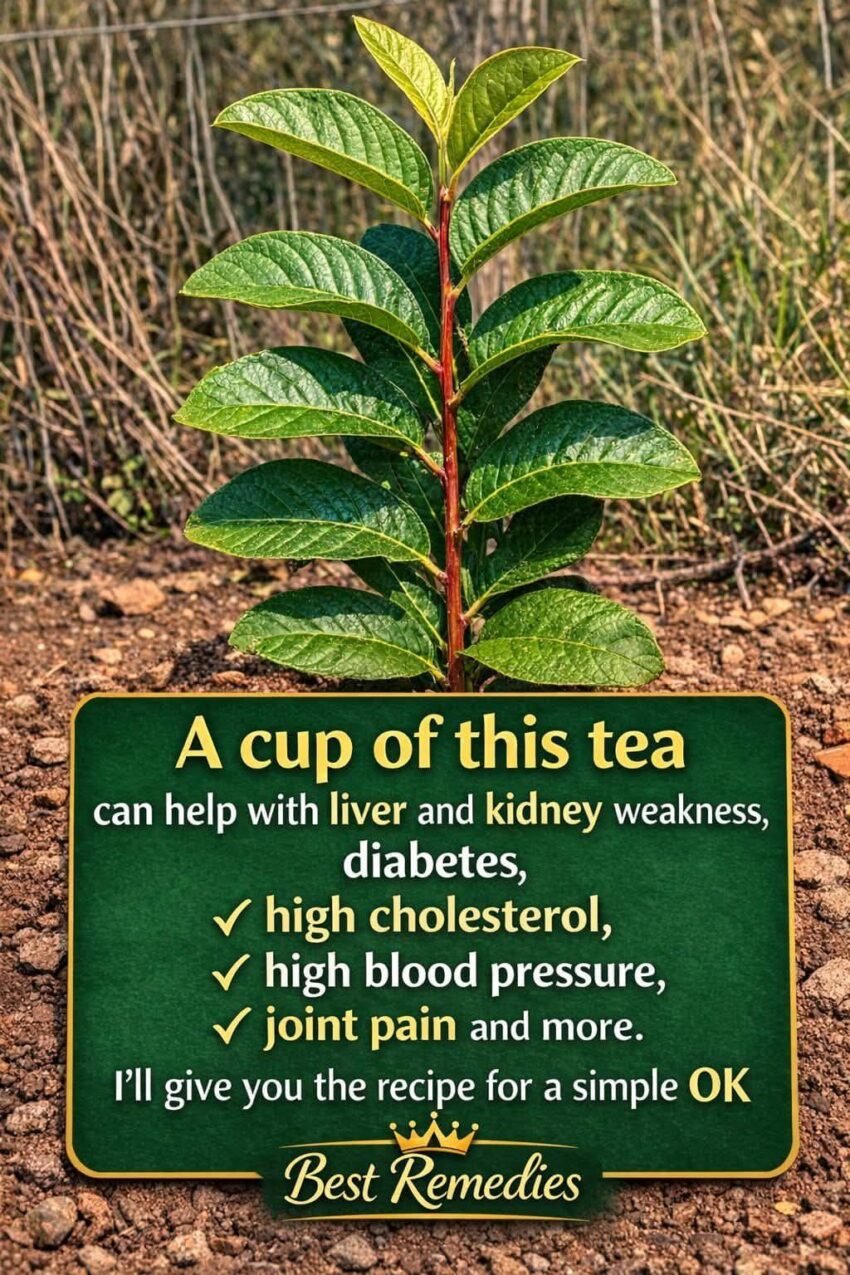
Below is a clear breakdown of what guava leaves are used for and how people typically use them safely.
🌿 Possible benefits of guava leaves
1. May help with digestion
Guava leaves contain compounds with antimicrobial and anti-inflammatory properties. Traditionally, they are used to:
- Reduce diarrhea
- Calm stomach upset
- Help with mild food poisoning symptoms
Some studies suggest they may help reduce harmful gut bacteria while supporting digestive balance.
2. May support blood sugar control
Guava leaf extract has been studied for its potential to:
- Slow down sugar absorption in the intestines
- Help reduce post-meal blood sugar spikes
This is why it’s sometimes used as a supportive remedy in people managing type 2 diabetes—but it is not a replacement for medication.
3. Oral health (teeth and gums)
Guava leaves have natural antibacterial effects. People traditionally use them for:
- Gum inflammation (gingivitis)
- Bad breath
- Mouth ulcers
Chewing the leaves or using them as a rinse may reduce bacteria in the mouth.
4. Skin and hair care
Topically, guava leaf extracts are used for:
- Acne (due to antibacterial properties)
- Scalp issues like dandruff
- Hair strengthening (traditional use, limited scientific proof)
5. Antioxidant and anti-inflammatory effects
Guava leaves contain flavonoids and tannins, which may help reduce oxidative stress and inflammation in the body.
🍵 How to use guava leaves correctly
1. Guava leaf tea (most common method)
How to prepare:
- Take 5–10 fresh or dried guava leaves
- Wash them thoroughly
- Boil in 2–3 cups of water for 10–15 minutes
- Strain and drink warm
How often:
- 1–2 cups per day is commonly used in traditional practice
2. Mouth rinse for oral health
- Boil guava leaves as above
- Let it cool completely
- Use as a mouthwash 1–2 times daily
3. Chewing fresh leaves (traditional use)
- Wash one young leaf thoroughly
- Chew slowly for oral hygiene benefits
(Not recommended in excess due to bitterness and tannins)
4. Topical use (skin or scalp)
- Crush fresh leaves into a paste OR
- Use cooled boiled extract
- Apply to affected skin or scalp for 10–15 minutes, then rinse
⚠️ Safety and precautions
- Avoid excessive use—high tannin intake may cause stomach irritation in some people
- Pregnant or breastfeeding women should consult a healthcare provider before regular use
- People with diabetes should monitor blood sugar carefully if using alongside medication
- Do not replace prescribed treatments with guava leaf remedies
🧠 Bottom line
Guava leaves are a traditional herbal remedy with promising but still limited scientific backing. They are most commonly used for digestion, blood sugar support, and oral health. The safest and most effective method is usually guava leaf tea in moderate amounts.
If you want, I can also explain whether guava leaves are better fresh or dried, or how they compare to other herbal teas like neem or green tea.